
Nobel Peace Laureate Leymah Gbowee Visits USU
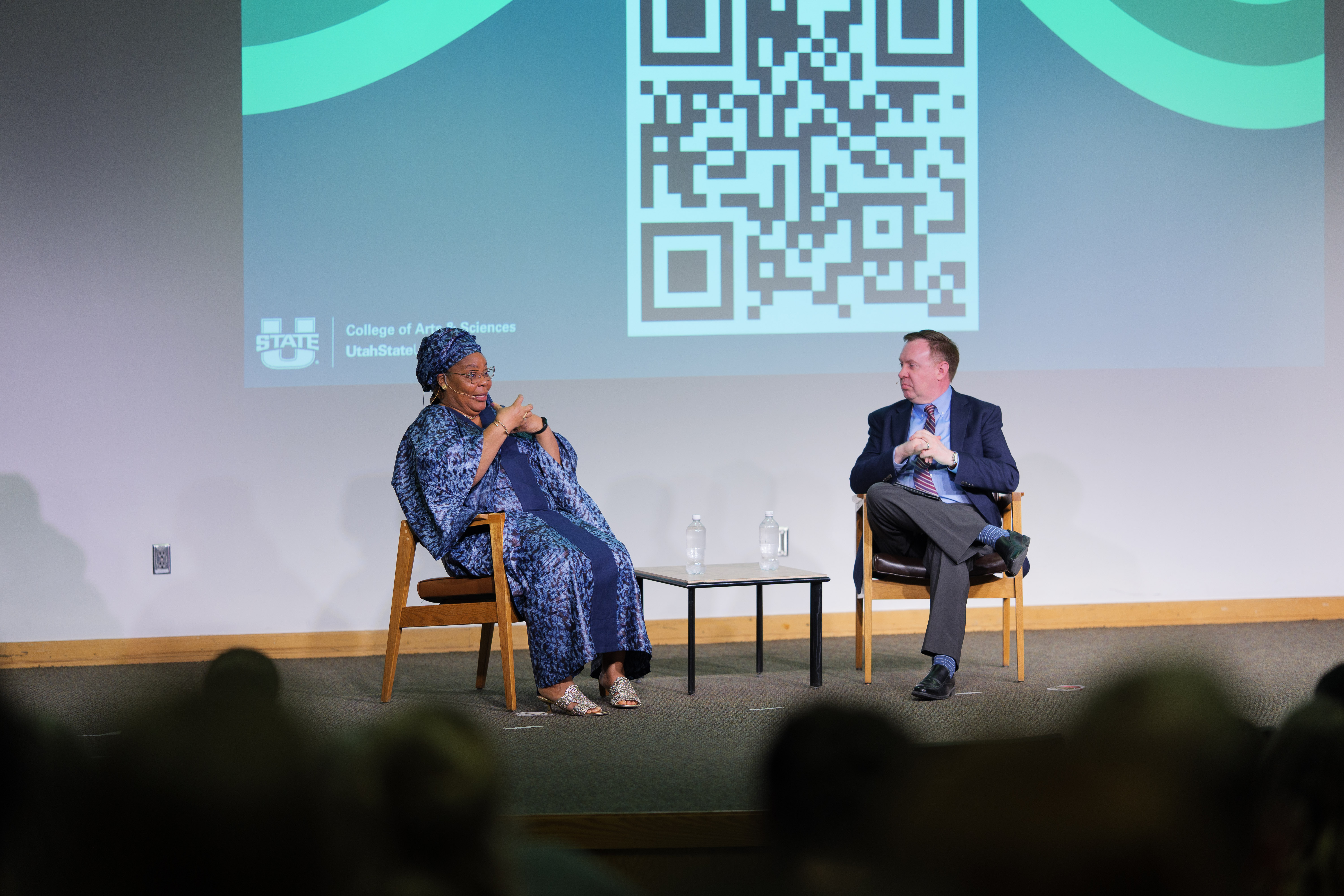
This semester, USU had the honor of hosting 2011 Nobel Peace Prize Winner Leymah Gbowee for a discussion titled, “How to End a War,” moderated by The Heravi Peace Institute’s very own professor Patrick Mason. Earlier that day, I was among a select group of students, faculty, and staff had the opportunity to participate in a private Q&A session with Gbowee before the public discussion. During this informal conversation, students got to learn how her journey as an activist began; not with a plan to lead a movement, but with personal frustration that eventually transformed into collective action.
Gbowee never set out to become the leader of the grassroots organization, Women of Liberia Mass Action for Peace. She simply wanted her voice, and the voices of other women, to be heard. Gbowee and the six other early members were not professional peacemakers. Reflecting on those early days, she said, “At the beginning we didn't have a strategy. We just asked ourselves three questions every day: What did we do well? What did we do wrong? How can we improve the world?”
To aspiring and practicing peacemakers, Gbowee offered this advice: be invested and interested. It is not enough, she explained, to donate to a cause or simply wish for a better world. True peacebuilding requires both passion and persistence. She emphasized the importance of finding a cause that drives you, one that keeps you going even when you are “starving, broke, and exhausted.” Gbowee reminded attendees that peace work is rarely lucrative but deeply fulfilling: “There is no money in this field. Some people get lucky and win a Nobel Peace Prize, but even without money, this field offers fulfillment.”
When asked about the role of religion in peacebuilding and how to collaborate across faiths, Gbowee urged everyone to focus on shared humanity: “When a Muslim woman cries because of the pain of losing a child, is that pain different from a Christian mother in the same situation?” Her words underscored that compassion transcends borders, differences, and religious affiliation. Empathy is where peace truly begins.
Before concluding, Gbowee encouraged students to persevere, even when the work feels hopeless. “How else do we leave this world to our children and grandchildren without creating hope?” she asked. Leymah Gbowee’s visit reminded the USU community that peacebuilding is not just an abstract ideal. It’s a daily practice of courage, empathy, and hope.
Meet the Author: Kai Li Tullis
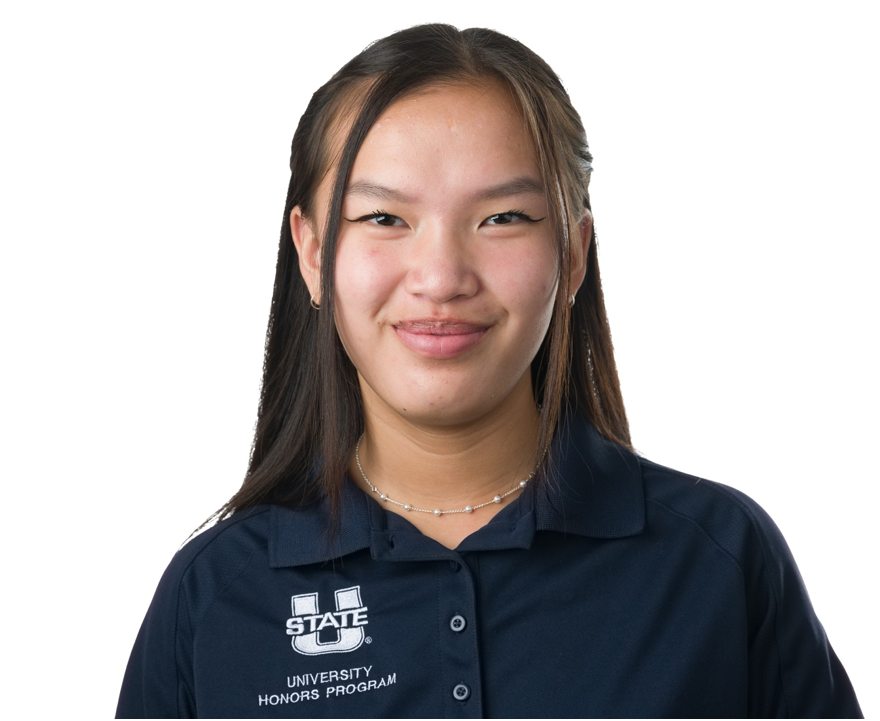
Kai Li Tullis is a senior at Utah State University majoring in International Studies and minoring in Chinese and Anticipatory Intelligence. She currently serves as the Undergraduate Program Assistant for the Heravi Peace Institute and is pursuing certificates in Global Peacebuilding and Leadership & Diplomacy.