
What We Do
The CULTRA Lab explores the intersections of technical and cultural rhetorics in public contexts. Through quantitative and qualitative methods, our goal is to produce impactful research and engage communities to drive meaningful change. Fundamentally, the lab’s work in technical and cultural rhetorics is directed toward generating public, democratic goods for the commons.
The CUTLRA Lab is excited to announce a media mention in The Verge about the PI of the lab, Dr. Edenfield's article titled, "Doing it for themselves," addressing how resources on transitioning survive the era of surveillance and AI slop.
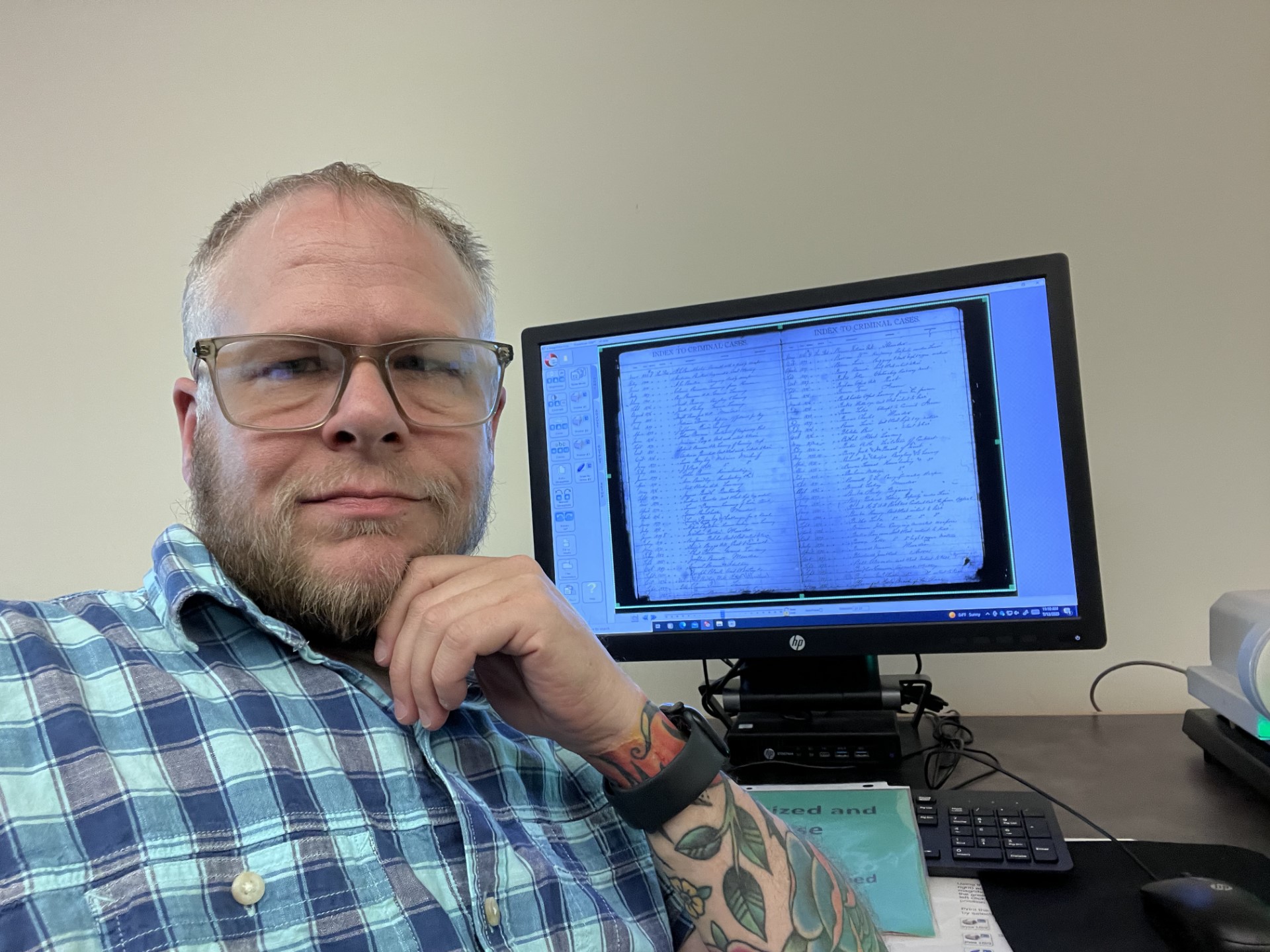
Principal Investigator

News
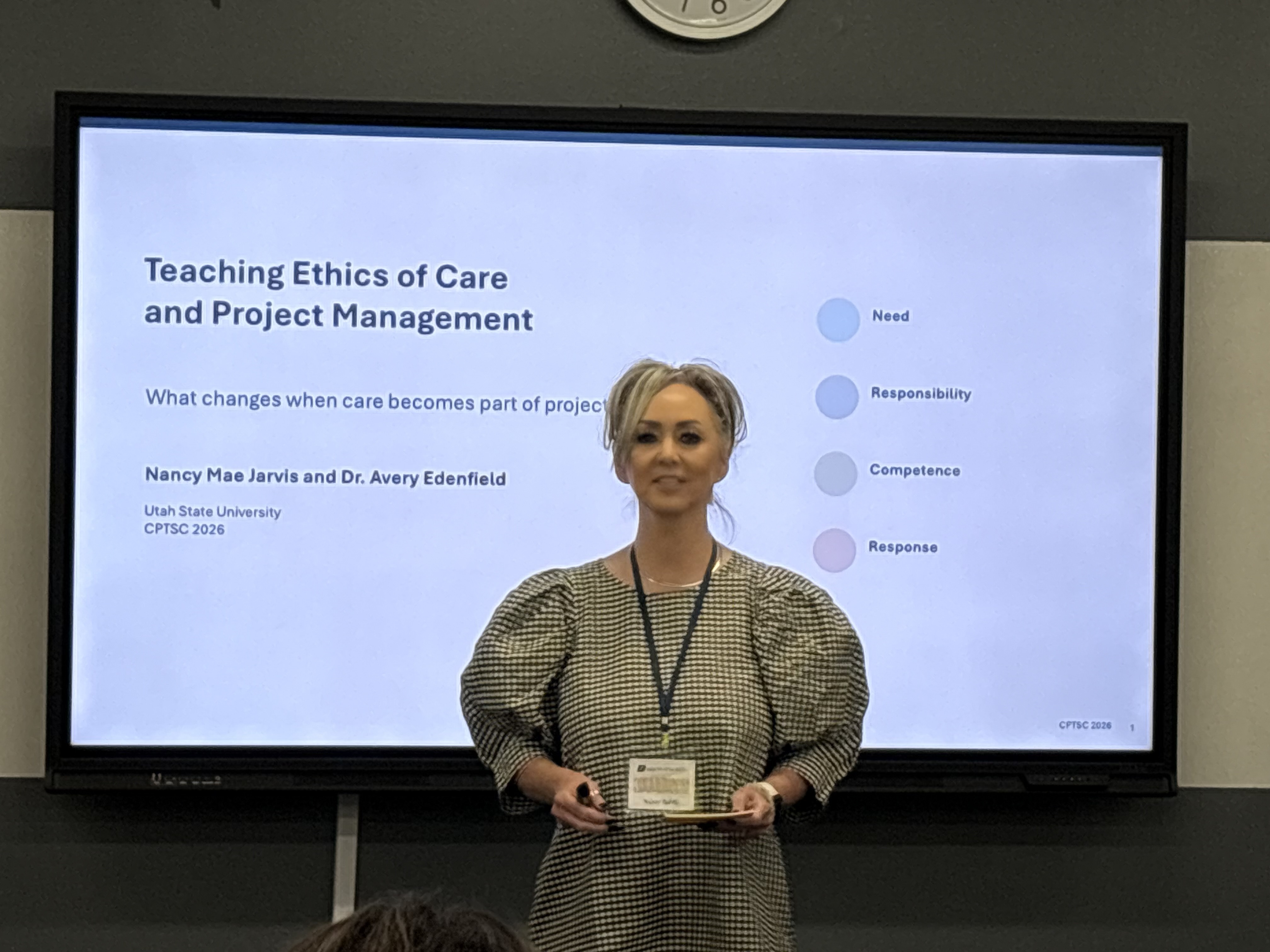
About the paper:
Project management is conventionally understood as neutral organizational methods composed of tools and standardized processes. This framing obscures the relational and interpretive work required to sustain collaboration and achieve successful outcomes. Rather than functioning solely as a set of tools, project management operates as a rhetorical and relational practice that structures how meaning is made, how responsibilities are distributed, and how collaboration unfolds over time.
Projects
Student Affiliate
Nancy Jarvis
Nancy Jarvis (she/her) is a PhD student in Technical Communication and Rhetoric at Utah State University, working with Dr. Avery Edenfield and expecting to finish in spring 2028. Her research looks at how communication practices shape collaboration, accessibility, and decision-making inside organizations, drawing on technical communication, organizational rhetoric, project management, and the ethics of care. She is especially interested in how documents, workflows, and everyday processes affect who gets to participate and who has access to information, and she pursues those questions through community-engaged and participatory research. In the lab, Nancy brings experience in qualitative interviewing, process mapping, and workflow analysis, along with a habit of turning research into practical resources people can use. She plans to contribute to collaborative projects, publications, and conference work that connect technical communication scholarship to real changes in how organizations serve their communities.