
Art History & Film Courses — Spring + Summer 2027

ARTH 2720 | Issues in Art History: Renaissance to Modern
Spring 2027, Instructor: Dr. David Thomas
This course surveys painting, sculpture, architecture, and other media, 1400 to the present. We will examine the complex relationships between art, culture, and society. Our class will highlight themes including the secularization of art, the role of the artist in society, the adoption of technological advances, the materials of art, the rise of art criticism, and the socio-political contexts of patronage and audience.
- BHU - Breadth Humanities
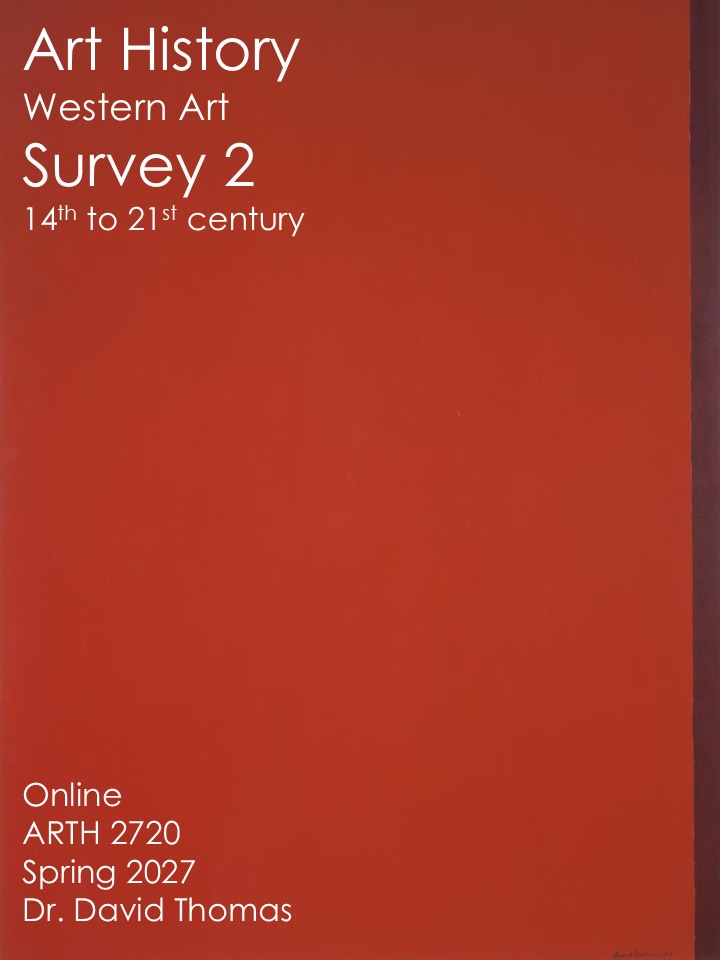
ARTH 2720 | An Online Survey of Western Art, Part 2
Spring 2027 (Online), Instructor: Dr. David Thomas
This course introduces fundamental methodologies for understanding and analyzing art and architecture. Students will learn to apply various strategies for looking at western art from the 14th through the 21st century. We will explore how art can further our knowledge and understanding of different cultures throughout history, considering the social function of art from both historical and contemporary perspectives.
The course is exclusively online and recommended for non-majors. Arts majors are encouraged to take the in-person course.
- BHU - Breadth Humanities

ARTH 3755/6755 | Contemporary Art
Spring 2027, Instructor: Dr. Marissa Vigneault
This course will focus on the artistic production of the contemporary period, from c. 1989 to the present. Some of the major questions we will address include: Why the shift from modern to postmodern to contemporary? What is the current scholarship on ideas of “the contemporary?” How did the breakdown of convention categories affect artistic production, and is the category of Art and its subcategories (painting, sculpture, etc.) still viable? How are personal/social politics and art related during this time? What role does theory (literary, philosophical, psychoanalytic, feminist, queer, etc.) play in artistic production, criticism, and the writing of art history? How has the introduction of a variety of new mediums into the realm of art (digital photography, film, video, NFTs, etc.) affected artistic production? Where do we stand with the study of art history today?
- CI – Communications Intensive
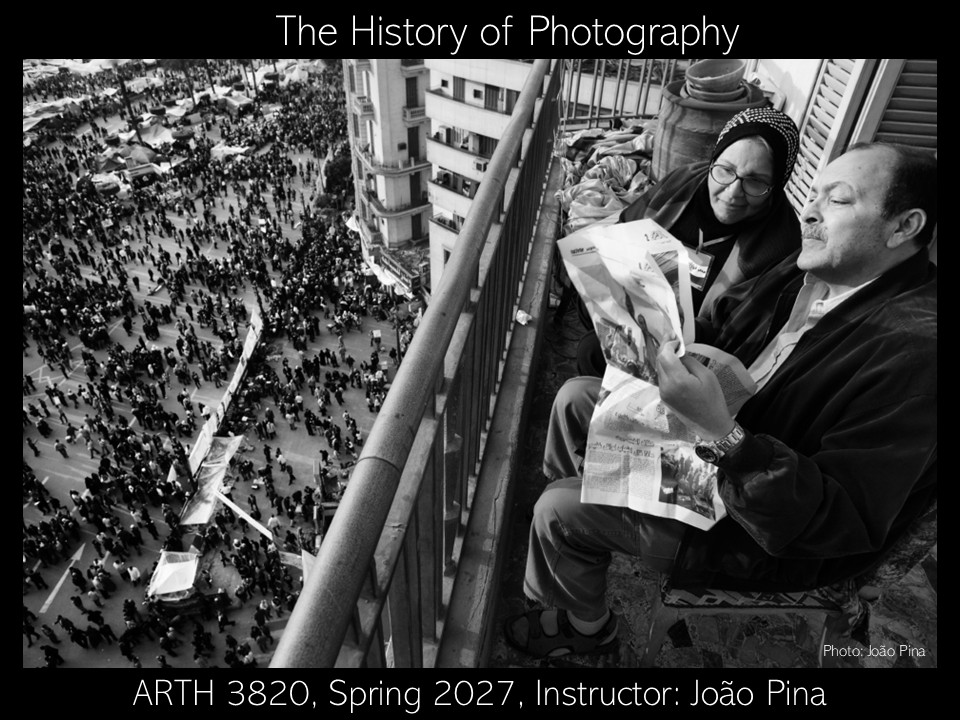
ARTH 3820 | The History of Photography
Spring 2027, Instructor: João Pina
This course explores the intertwined histories of photography and the modern world, examining how photographs document conflicts and crises while shaping historical memory. From the Crimean War to contemporary conflicts, students trace the evolution of photography as a medium, its changing technologies, and its role in representing and interpreting history.
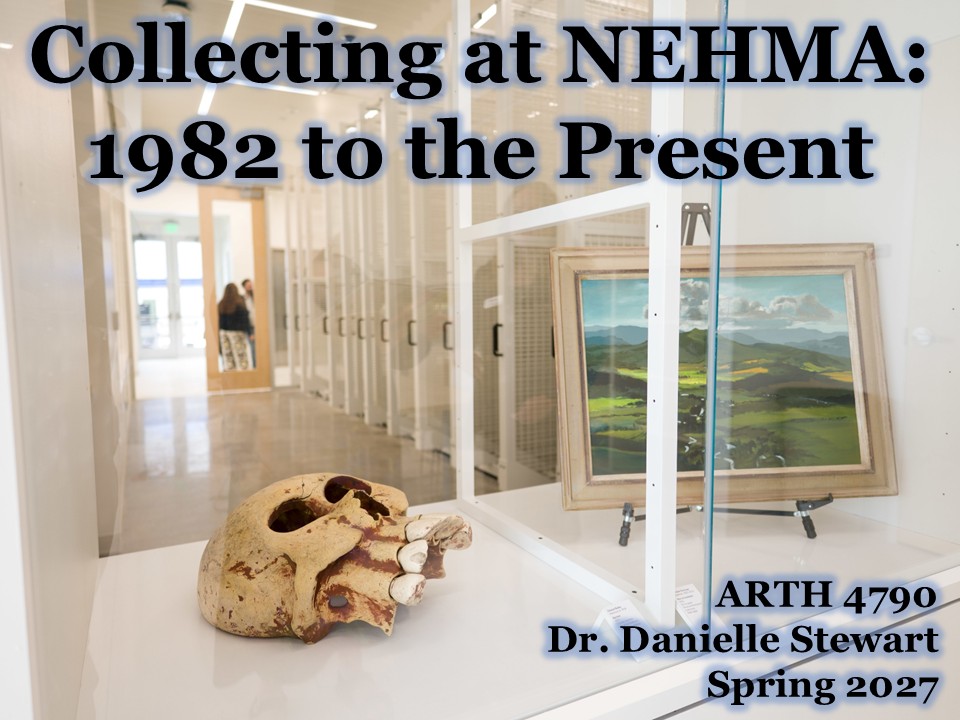
ARTH 4790 | Collecting at NEHMA: 1982 to Present
Spring 2027, Instructor: Dr. Danielle Stewart
In 1982, Nora Eccles Treadwell Harrison donated about 500 artworks to USU, along with enough money to establish a small museum. More than four decades later, that initial gift has turned into a collection of over 5,000 works of art, primarily from the American West. This seminar will study NEHMA’s formation from the original gift to the present by interacting directly with artworks in the collection. Each week, a different group of objects installed in the museum's new research center will guide our discussion of West Coast pop, abstraction, esotericism, documentary photography, socially informed art, and many more.
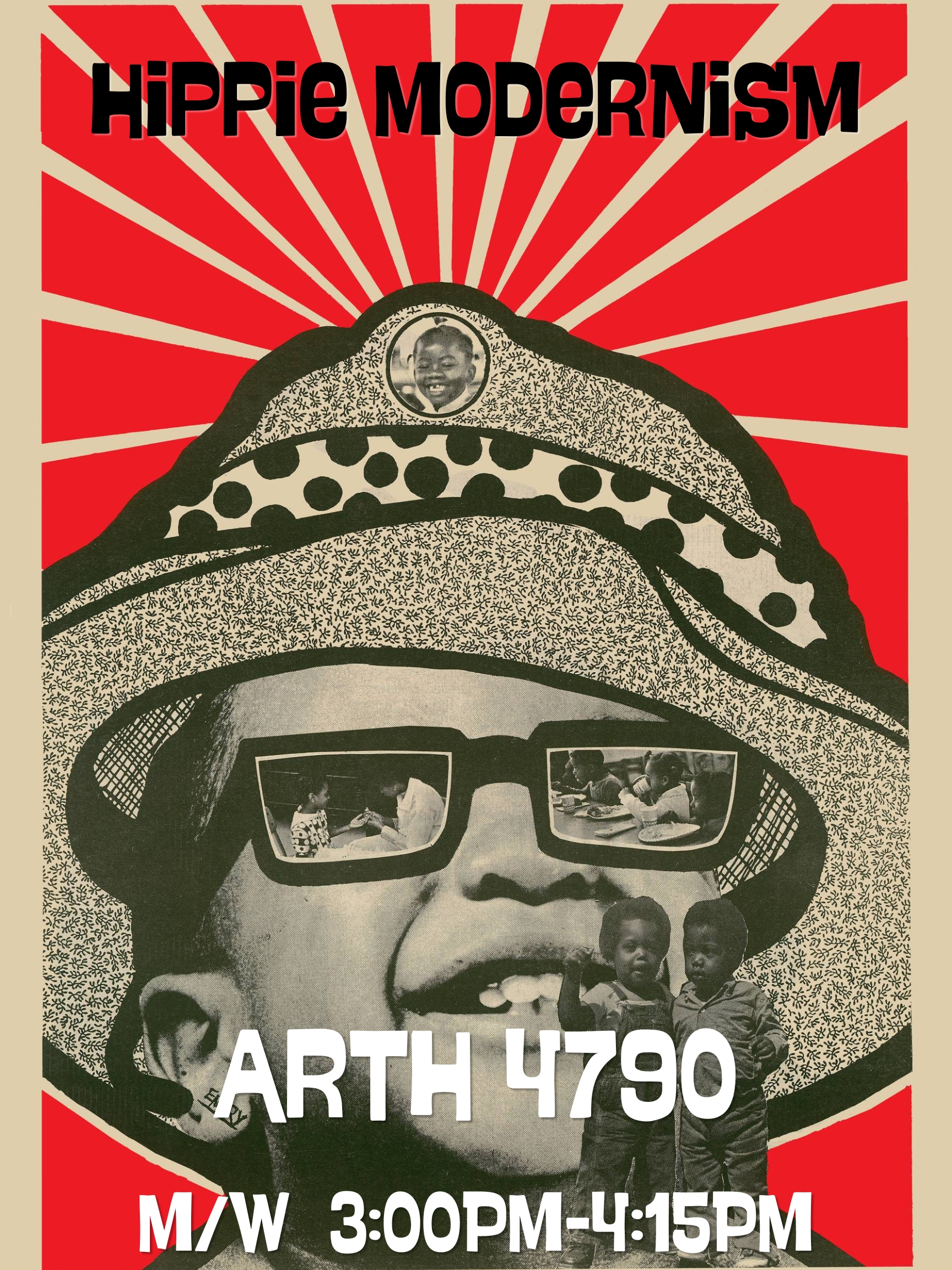
ARTH 4790 | Hippie Modernism
Spring 2027, Instructor: Dr. David Thomas
This seminar will explore American Counterculture art during the period of the Vietnam war (1960s-1970s.) This course is an exploration of the discursive foundations of artworks produced by Hippies, Black Panthers, Early Feminists, Cyberneticists, Droppers, and other disenfranchised and utopian groups.

ARTH 4900/6900 | Art Historical Research & Methods
Spring 2027, Instructor: Dr. Alvaro Ibara
This course functions as the capstone for art history majors. Graduate students are also welcome. Methods is a team-taught experience designed to reinforce student knowledge of a number of prevalent topics in the discipline of Art History. Each week, students will consider a new issue, perspective, or method and learn to apply it toward their own array of analytical strategies. The course primes students for entry into graduate programs and/or participation in the professional art world.
- CI – Communications Intensive
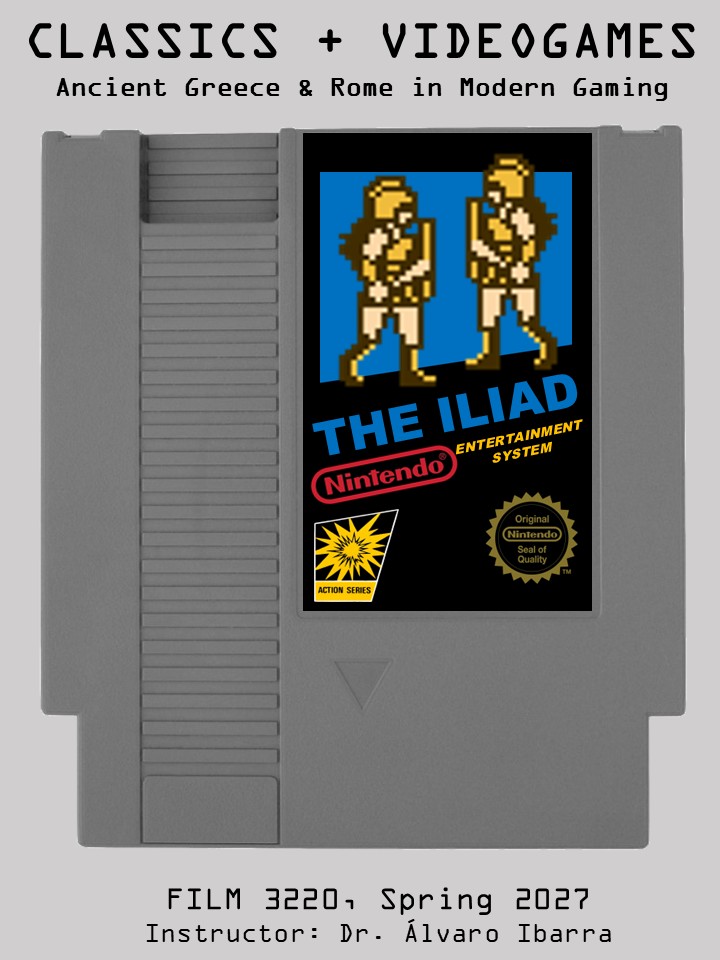
FILM 3220 | Classics + Videogames
Semester 2027, Instructor: Dr. Alvaro Ibarra
This course examines how videogames shape modern views of classical antiquity. Students will create and market their own videogame while learning the basics of game theory and mechanics. Students will query claims inspiring panic and transcendence in equal measure. What exactly do videogames do?
- CI - Communications Intensive
- DHA - Depth Humanities + Creative Arts
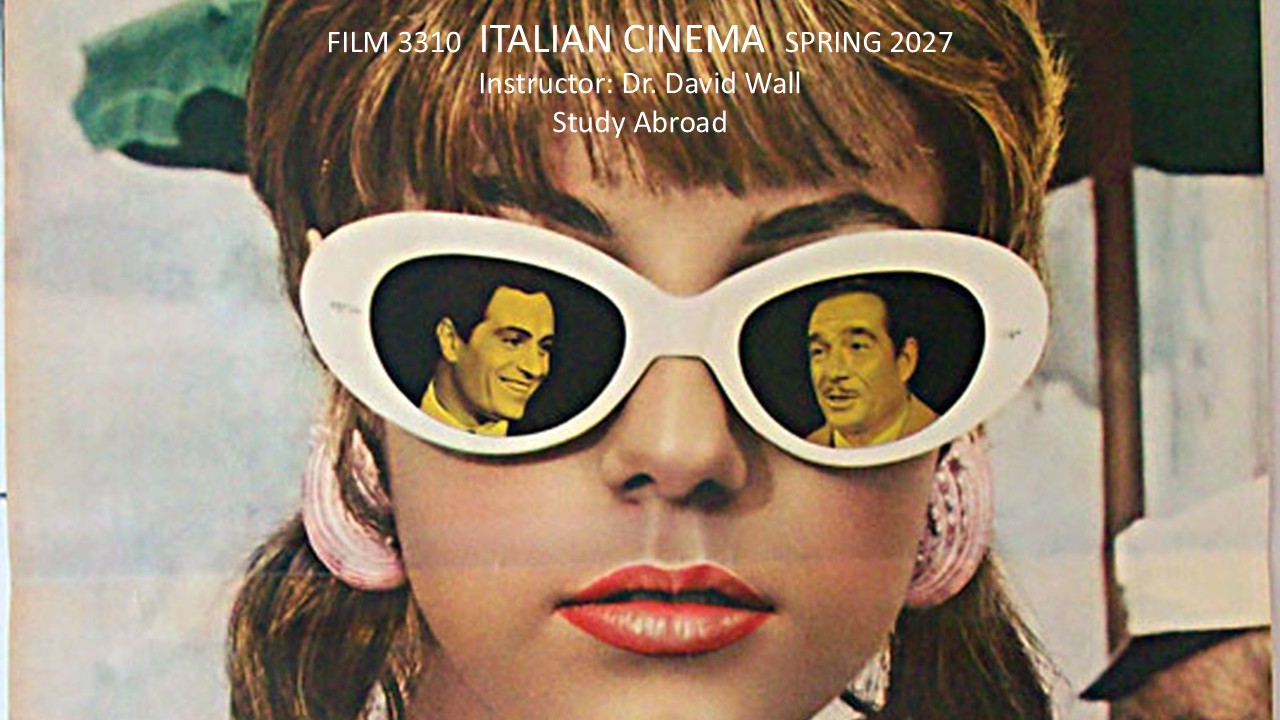
FILM 3310 | Italian Cinema
Spring 2027, Instructor: Dr. David Wall
An introduction to some of the key periods, films, and directors of Italian cinema, this intensive three-credit hour course will focus on films set and shot in Rome and Tuscany. We will trace the general evolution of Italian cinema from the immediate post-war period through to the contemporary scene, situating Italian cinema in its multitude of cultural, historical, and regional contexts.
FILM 3330 | The Documentary
Spring 2027 (Online) Instructor: Ehsan Estiri
This course examines the history of documentary filmmaking. Students will explore multiple forms of the genre, including newsreel, romantic, cinema verité, propaganda films, etc. Students will develop critical communication skills in the completion of course assignments.
- CI - Communications Intensive

ARTH 3220 | Roman Art (Summer Study Abroad)
Summer 2027, Instructor: Dr. Alvaro Ibarra
This course coincides with the Archaeology in Spain study abroad program. Students will contribute to an archaeological project in La Rioja, Spain. Students will learn Roman art through its expression in works excavated in Hispania. Comparative analysis will set the provincial against the cosmopolitan in an earnest discussion about the valuation of center versus periphery. Students will learn skills in the excavation, preservation, and curation of antiquities.
- CI - Communications Intensive