
Contemporary Art in Germany is an immersive study abroad program designed for undergraduate students in Art History and Studio Art, as well as students of any major across the university. Rooted in contemporary and historical art and architecture, the program traverses the German cities of Berlin, Kassel, and Münster. Discover how 20th-century history, post-war reconstruction, and global contemporary art converge across three of Germany’s most influential creative centers, engaging directly with documenta 16 in Kassel and Skulptur Projekte Münster.
Dr. Tamryn McDermott (Art Education) and Dr. Marissa Vigneault (Art History) will lead this program.
The Program
A three-week field- and practice-based study abroad program using the urban landscapes of Berlin, Kassel, and Münster as a living laboratory to examine global mega-exhibitions, memorials, and public art.
Course Credit
- Credits in art history and studio art coursework
- ARTH 3205: Contemporary Art Worlds
- ART 3950: Studio Practice-Based Research
- Fulfills art history and studio art electives for art history and art majors
- No prerequisites
Curriculum & Professional Focus
Curriculum Topics
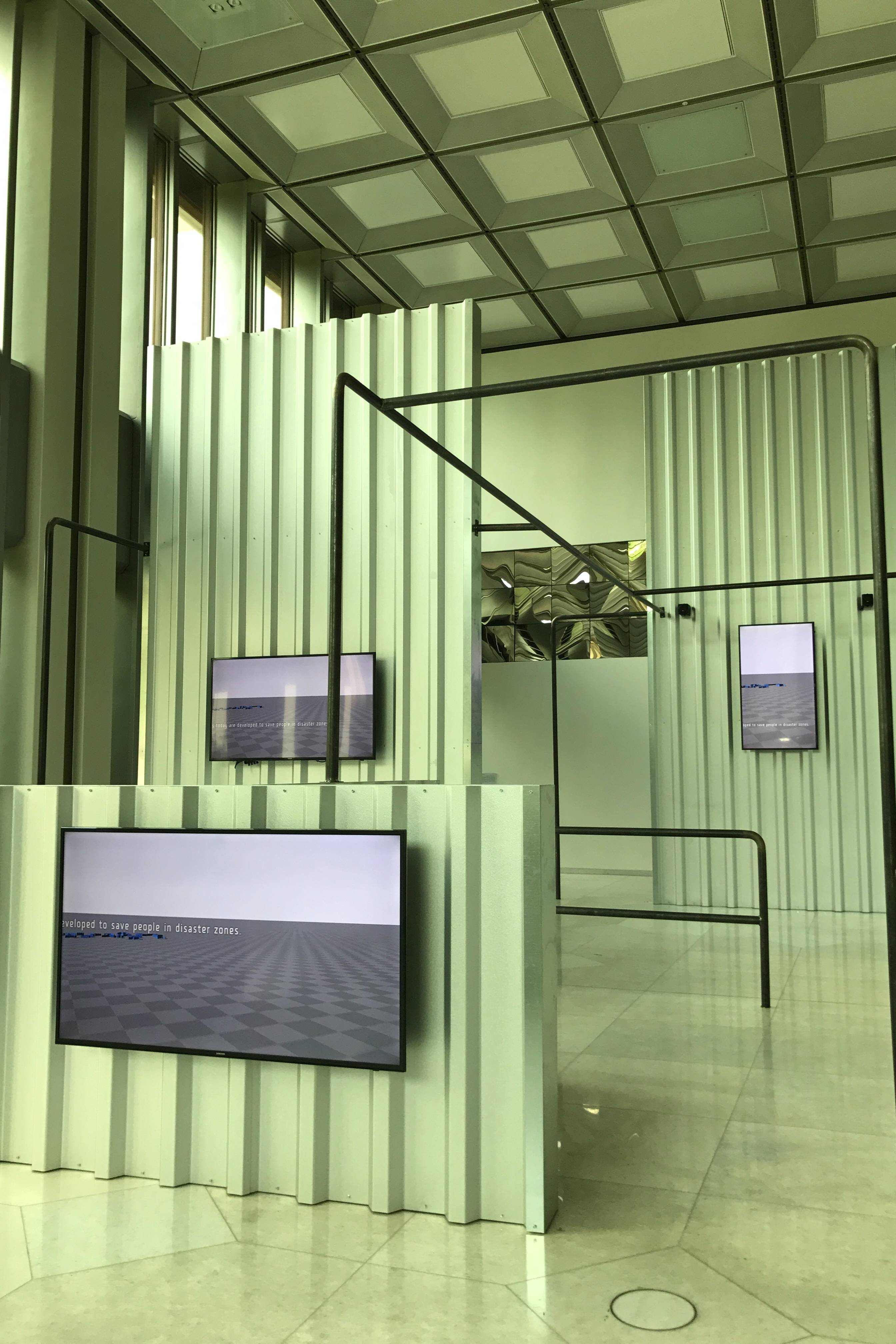
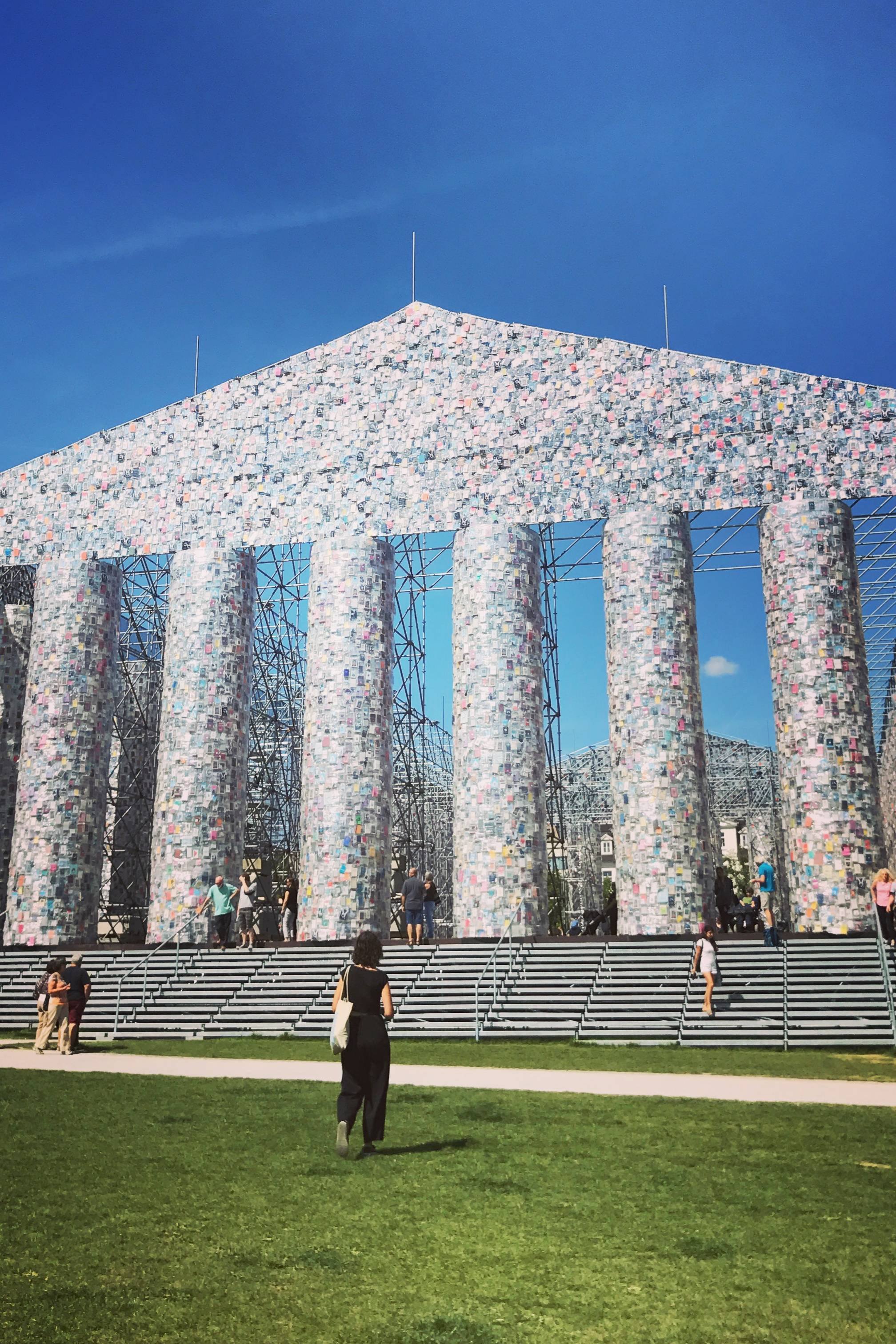
- Curatorial critique and exhibition analysis (documenta 16)
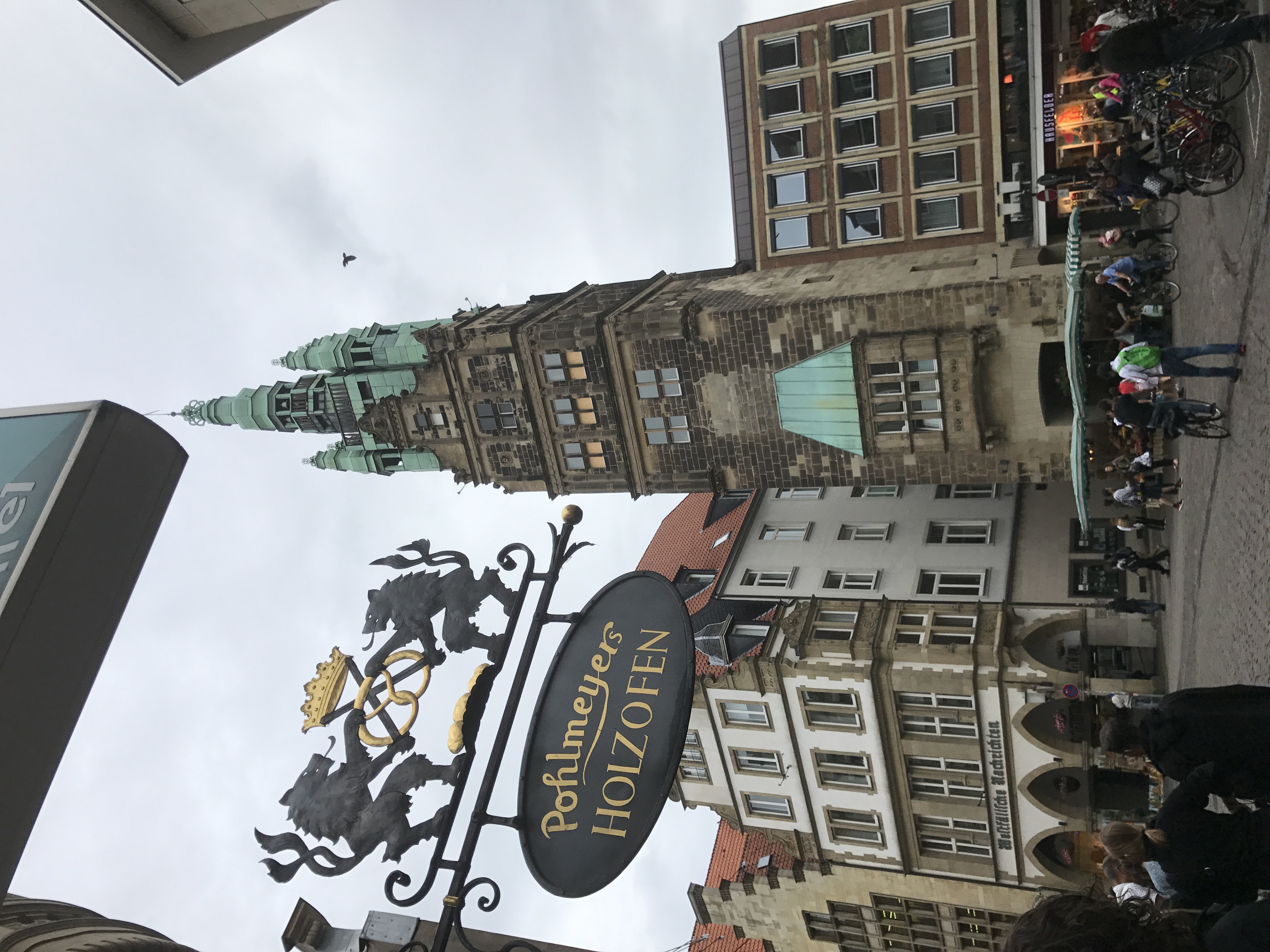
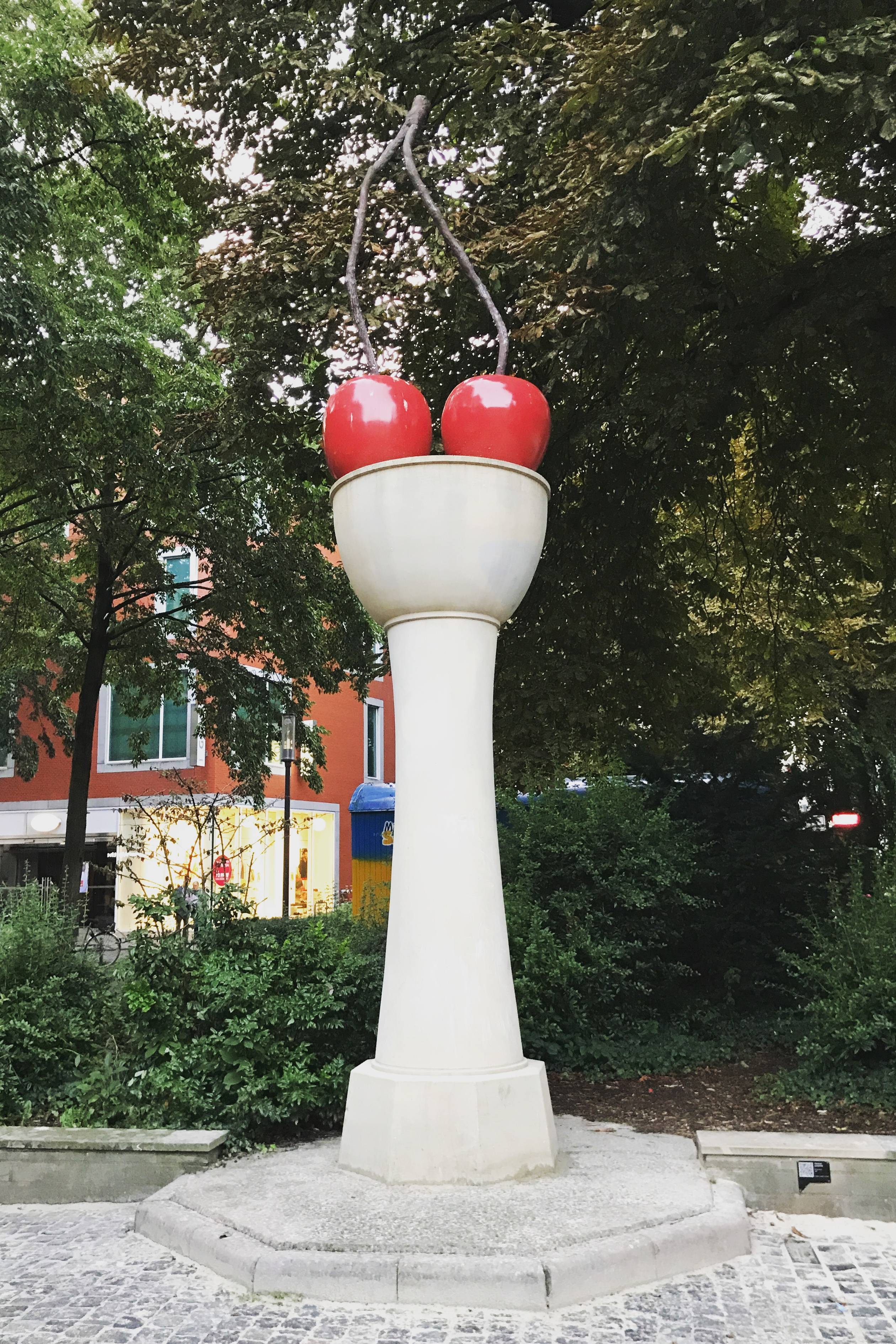
- Site-specific public sculpture and urban spatial analysis (Skulptur Projekte Münster)
- Memorial, monument, and historical trauma studies (Berlin)
- Practice-based visual research and daily journaling
- Interdisciplinary research method integration
- Studio iteration and site responsiveness
- Collaborative exhibition curation and installation (Projects Gallery, Fall 2027)
Career-Oriented Pathways
Skills gained enhance student capability across creative, curatorial, and research industries, directly preparing candidates for professional arts pathways and graduate study:
- Navigate commercial galleries, grassroots initiatives, and mega-exhibitions to understand the global art ecosystem
- Gain first-hand insight into the conception, funding, and execution of public art commissions
- Analyze real-time exhibition design, curatorial frameworks, and institutional strategies
- Cultivate adaptability, critical analysis, and cross-disciplinary thinking essential for work in museum education, arts administration, exhibition development, or graduate study
Location & Logistics
 Berlin
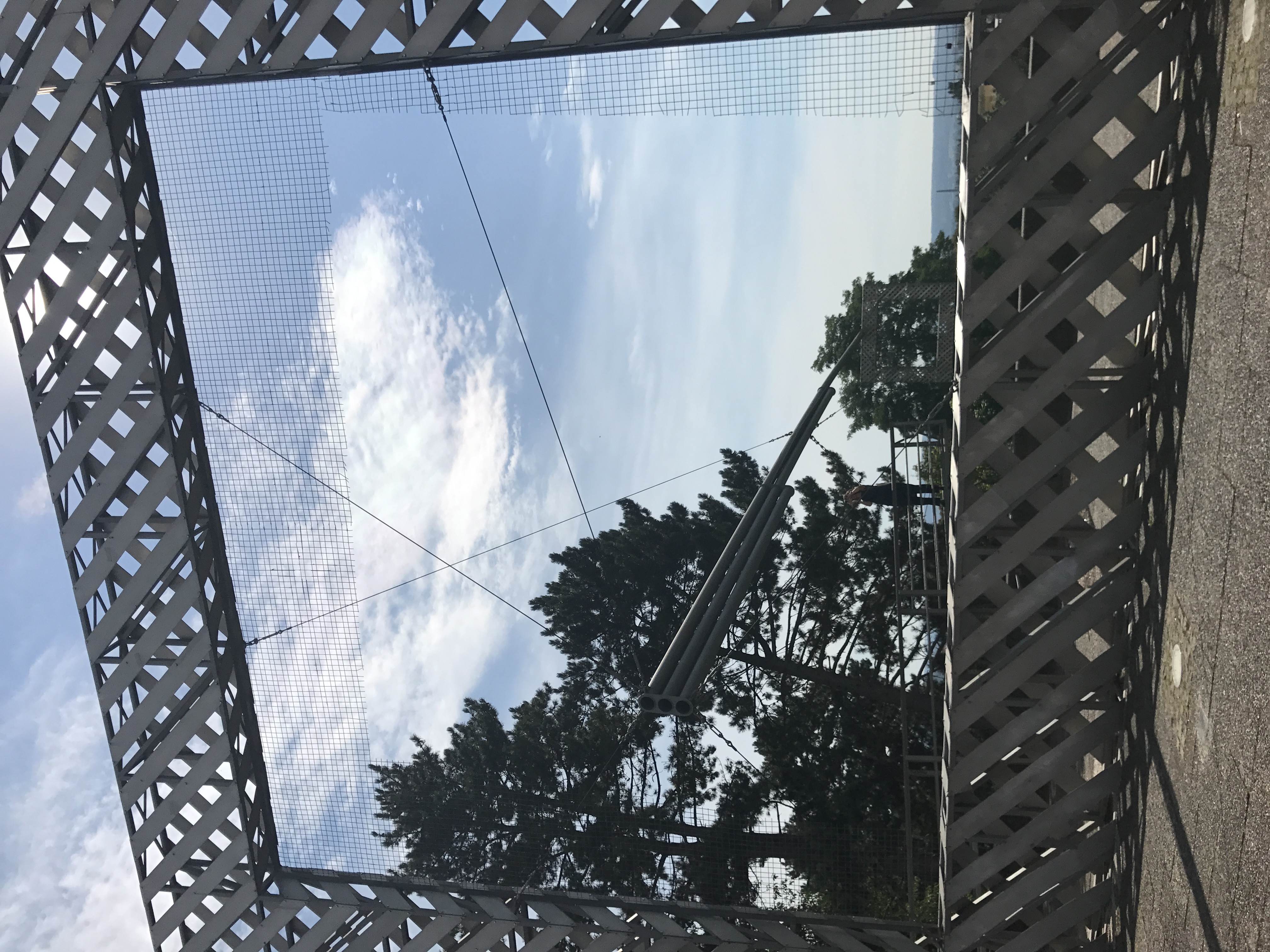
A living laboratory where complex 20th-century history directly intersects with contemporary artistic practice. From wartime destruction to the Cold War division of the Berlin Wall, the city's past transformed post-reunification Berlin into an international creative epicenter. Students examine world-class museums, grassroots artist-run spaces, and sites of public memory, such as the East Side Gallery and the Memorial to the Murdered Jews of Europe.
Kassel
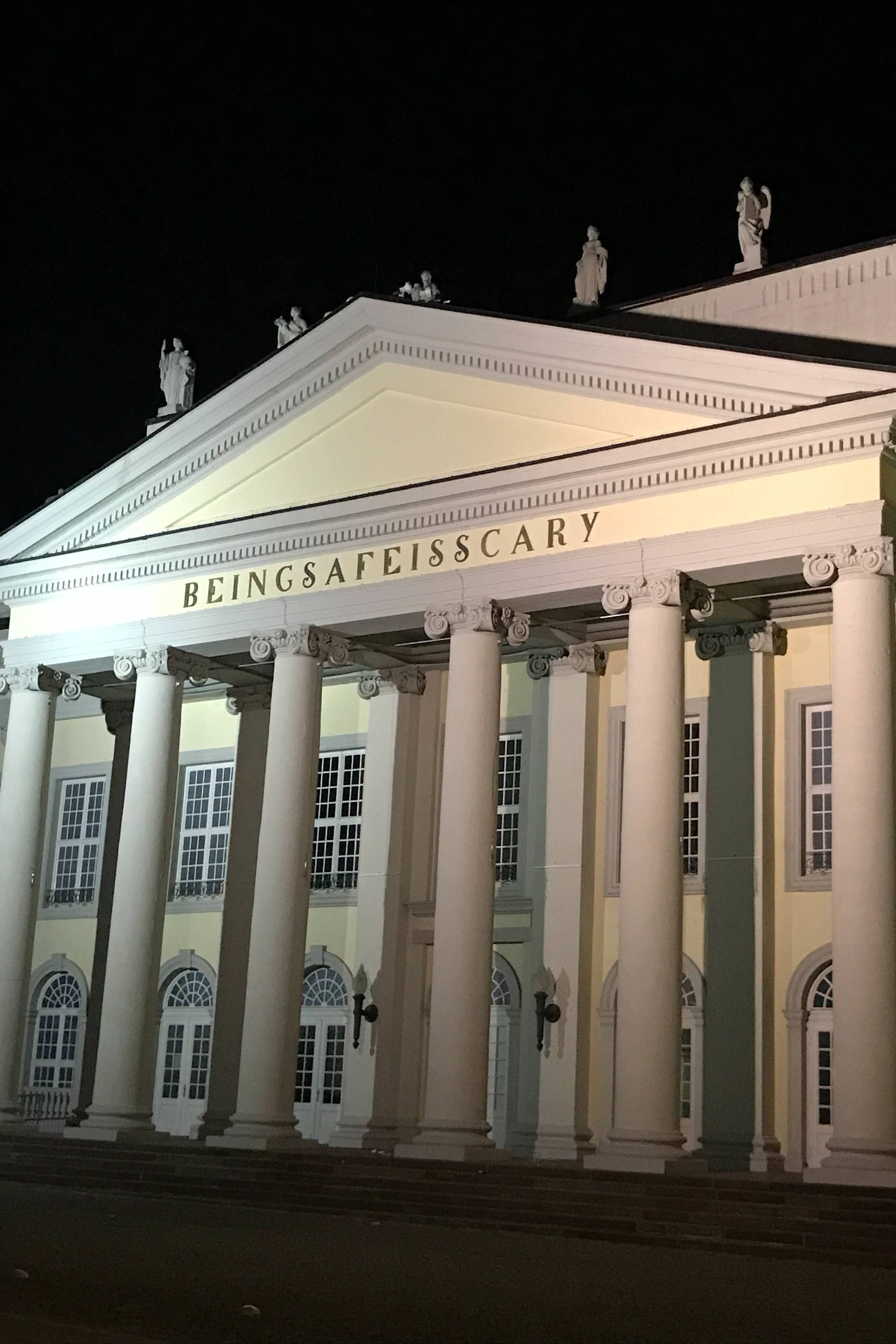
Heavily damaged during WWII, Kassel reinvented itself in 1955 by launching documenta to reconnect Germany with international modernism. Anchored by the Fridericianum, documenta serves as a major node for global contemporary dialogue every five years. Students will visit documenta 16, evaluating cutting-edge installations and observing how temporary mega-exhibitions reshape civic spaces.
Münster
Rebuilt following extensive WWII destruction, Münster hosts Skulptur Projekte Münster, a defining decennial exhibition founded in 1977. Students will trace five decades of public sculpture, assessing how permanent installations from past editions interact with everyday civic life and heritage.
Infrastructure
Program participants stay in group lodgings in Berlin, Kassel, and Münster. Lodging, required travel between German program cities, and excursion admissions are included once students arrive at the group location in Berlin.
Program Excursions
Participants will visit public artworks, major museums, historical monuments, memorials, contemporary galleries, documenta 16 in Kassel, and Skulptur Projekte Münster.
Free Travel & Liberties
Travel days and dedicated free time are incorporated throughout the schedule, providing students ample opportunity to explore Berlin, Kassel, and Münster independently.
Frequently Asked Questions
- Do I need to speak German? No. This is not a language program.
- Is the program just for art historians and artists? No. The curriculum is designed for anyone interested in careers involving critical thinking, analysis, and practice-based research.
- Is Germany a safe country? Yes. Germany is safe, modern, and provides advanced public transit, amenities, and security as an EU member.
- Do I need to be an ARTH/ART major? No. The program is open to all university majors.
- Is airfare included in the fee? Air travel to Germany is not included. Participants meet at the Berlin lodging on July 25; all intra-program transit, lodging, and scheduled excursions are covered.
- Can I get financial aid? Yes. Study abroad funding options and scholarships are available through USU.