
Race, Society, and Environment: A New Interdisciplinary Minor
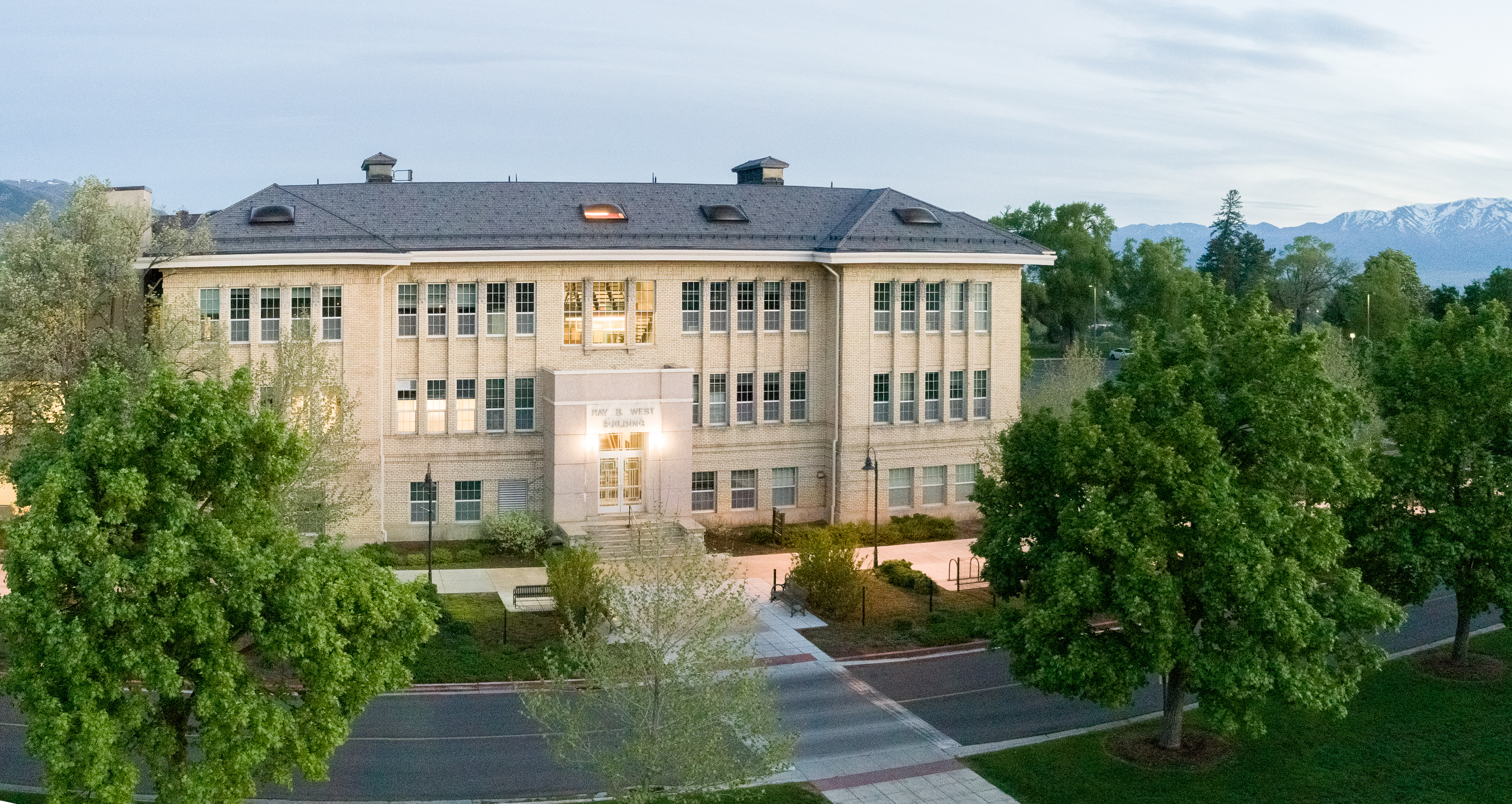
Ray B. West Building
English Department Associate Professor Nate Straight and Professor Keri Holt designed a new interdisciplinary minor: Race, Society, and Environment (RSE). Starting in Spring 2026, the 16-credit minor includes courses that study the intersections between race, society, and the environment, exploring how the history of race informs many current pressing issues.
Nate says, “RSE brings students and faculty together around the understanding that when race and racism divide us as human beings, it is because of history and policy and lack of communication. It is never because of biology. Our hope is that the minor will elevate our conversations around race-related issues and give students opportunities to make meaningful contributions in their scholarly, professional, and personal lives.”
Nate and Keri worked on designing the minor for students at any location and in any discipline, with in-person and online courses ranging from English to political science to even nursing. “We also knew that faculty all across USU are doing incredible work that expands our understandings of the role racial categories play in everything from criminal justice to health care to social work to education,” Nate comments.
Next semester, Keri will be teaching ENGL 2640: Race and Ethnicity in the US, which is a foundational course for the minor as it focuses on having responsible and productive conversations about race as an important and changing social construct. This course is offered in multiple formats every year so everyone, not just Logan students, can complete the minor.
ENGL 2640 is a core requirement for the minor, and students are required to complete at least one course in each of the race, society, and environment categories, choosing an additional course from any of the categories as an elective. The minor ends with a short 1-credit project that the student will curate under the consultation of a faculty mentor.
“These projects draw from the ideas that students encounter throughout their coursework and are intended to be starting points for continued inquiry,” Nate explains.
The learning outcomes for the minor include understanding the difference between social and biological race and awareness of the interplay between race, racism, and environment on local and global levels. “We know that the complicated, intersecting issues that the Race, Society, Environment minor explores are profound and ongoing,” Nate reflects. “To address them now and in the future, we need to keep the conversation going and do our best to make it open, thoughtful, and informed.”