
Brynne Berry - 2024
Artist's Statement
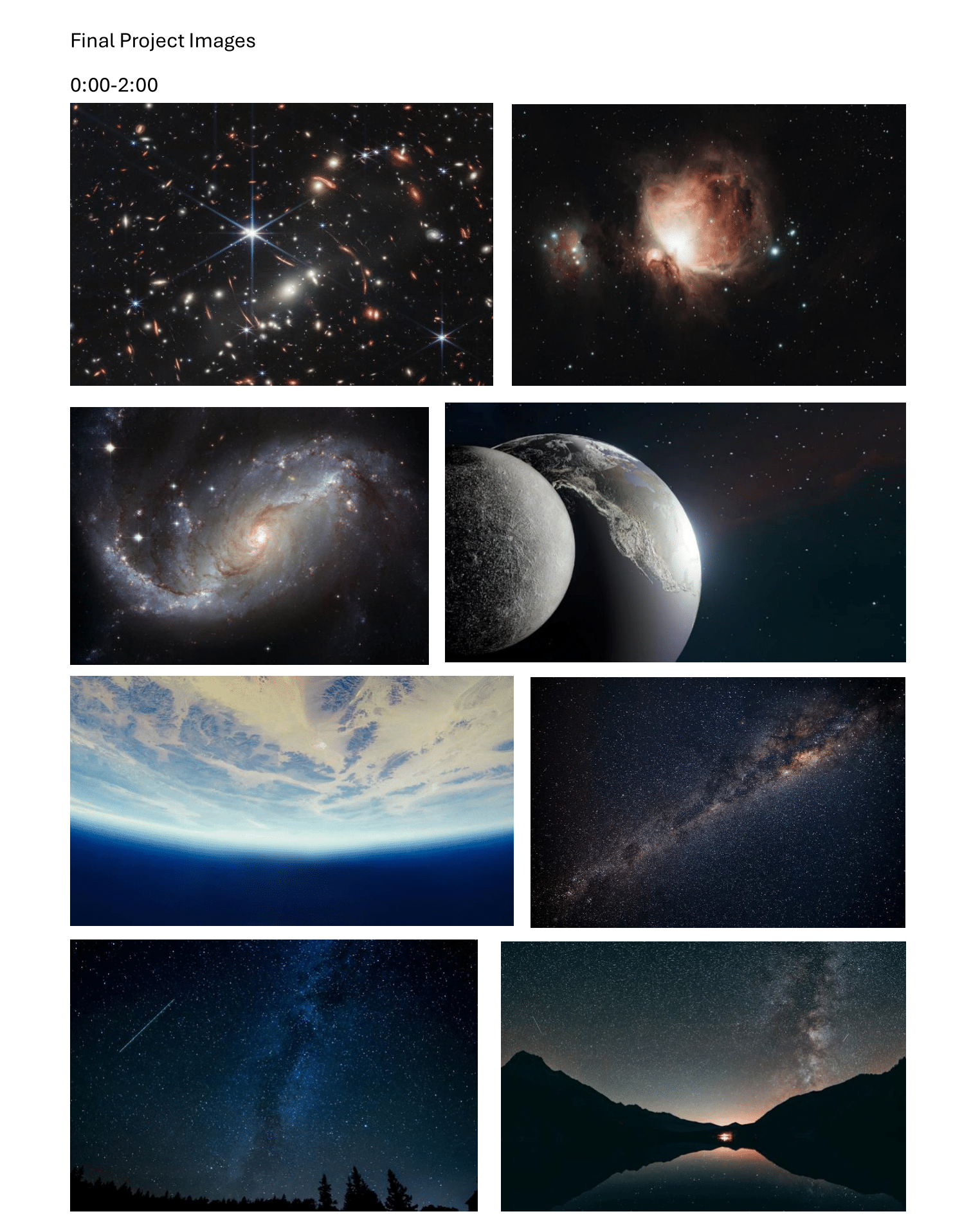
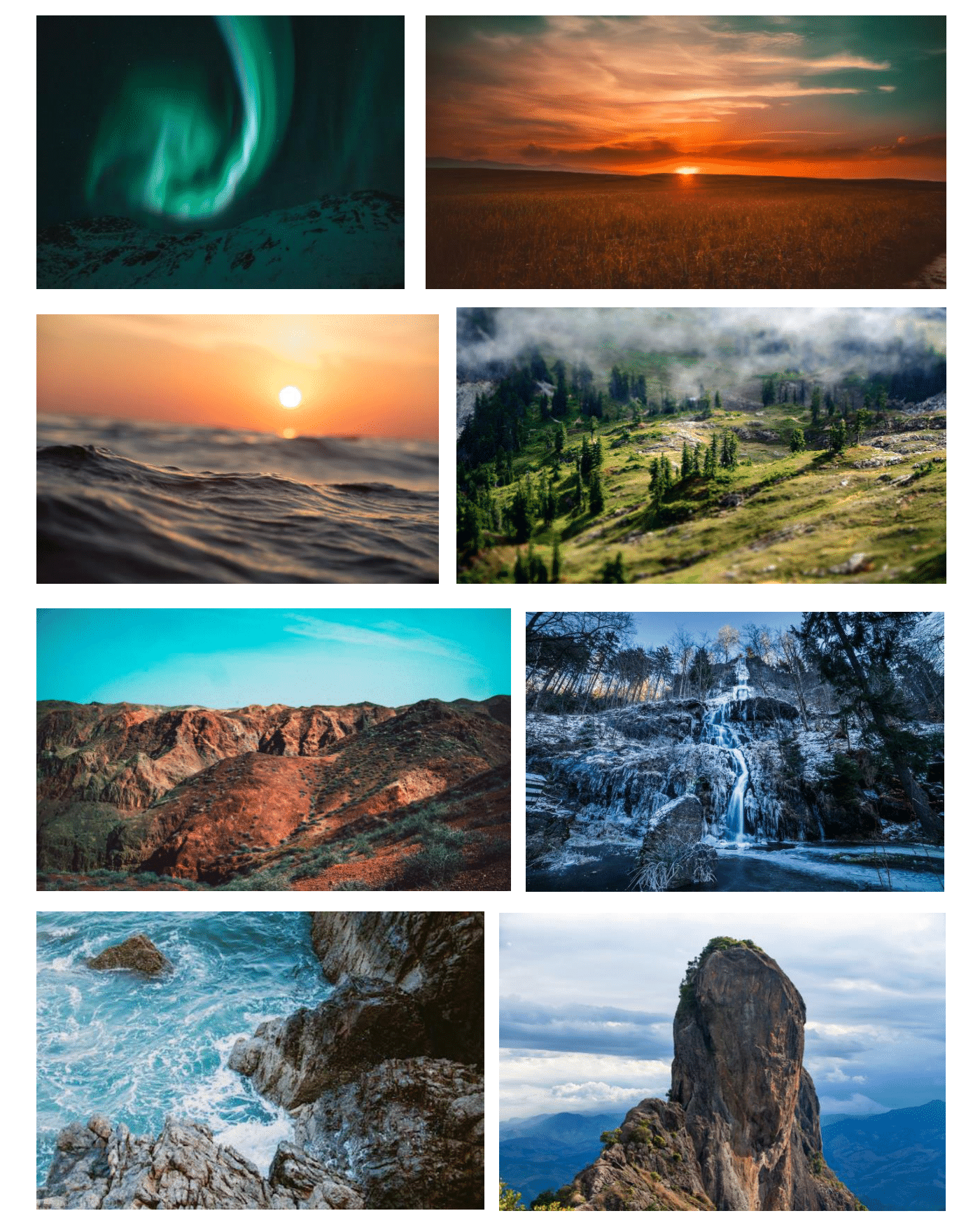
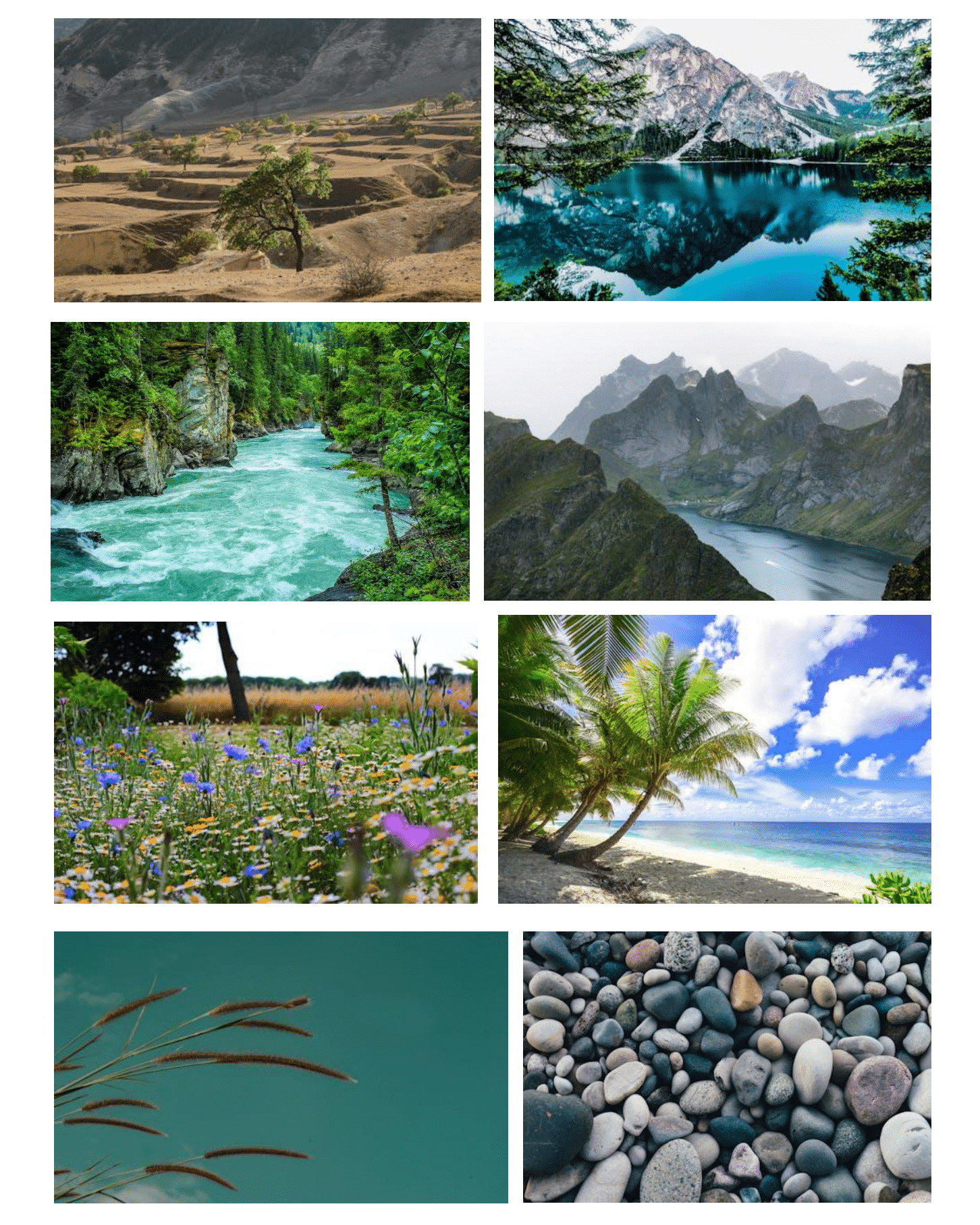
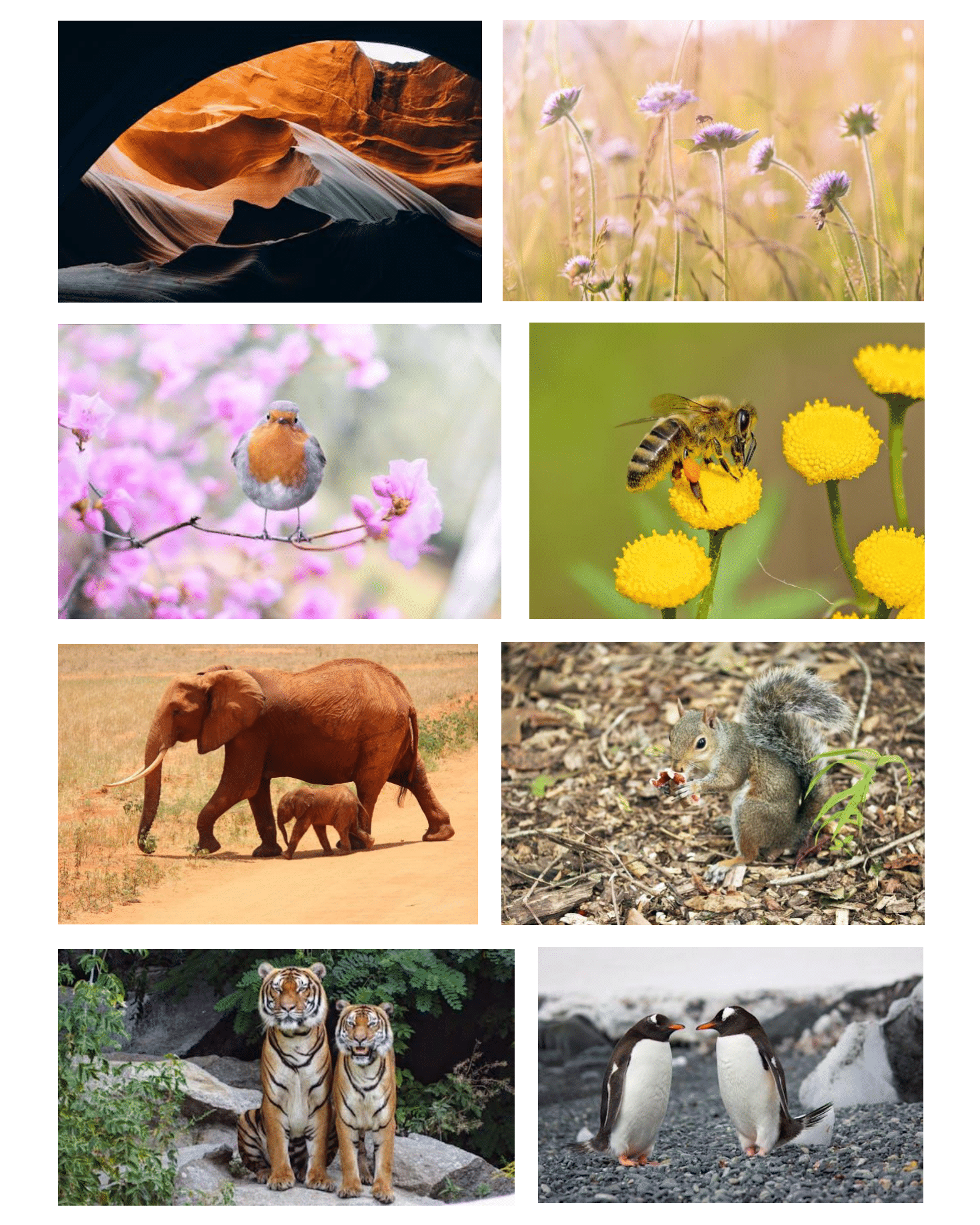
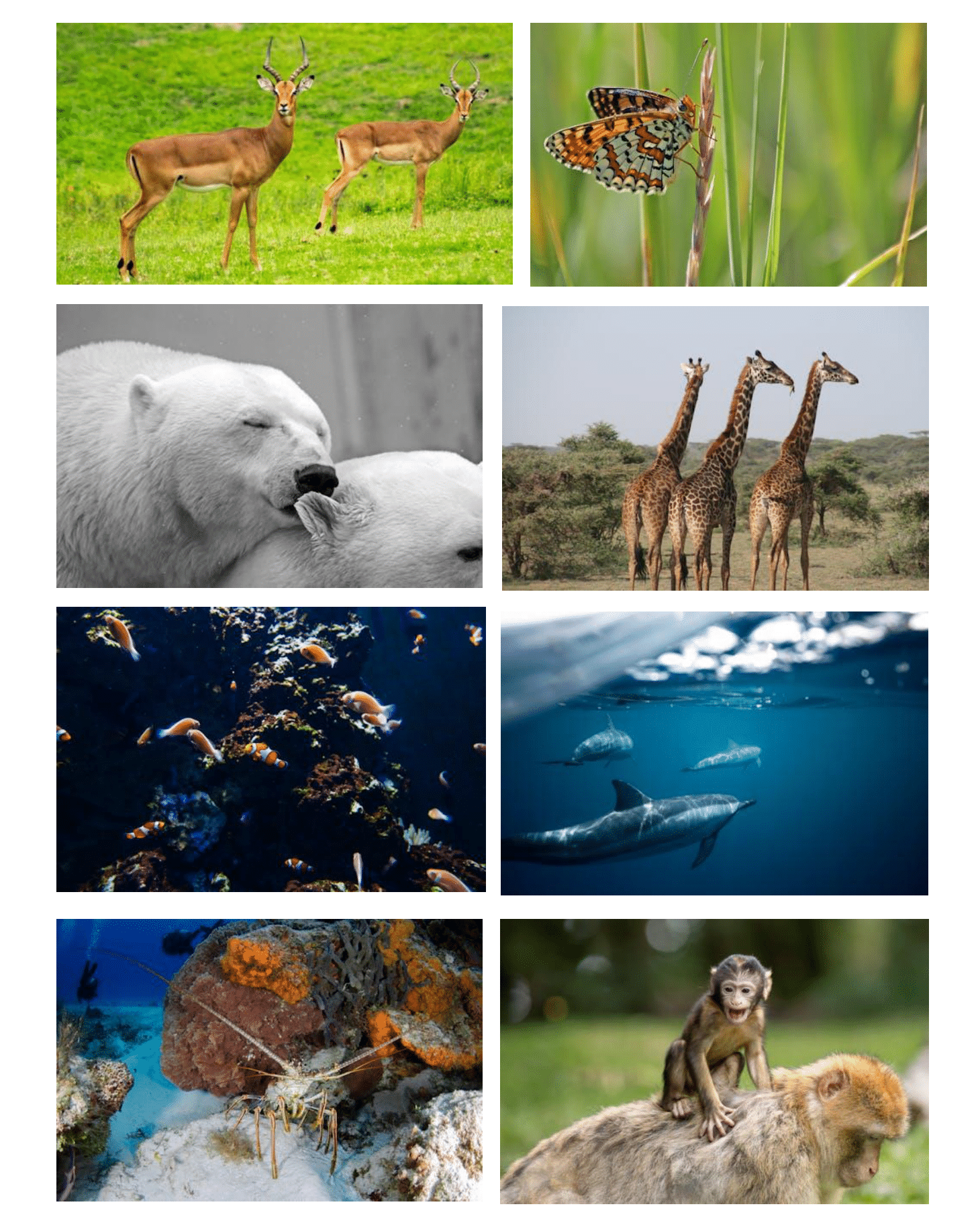
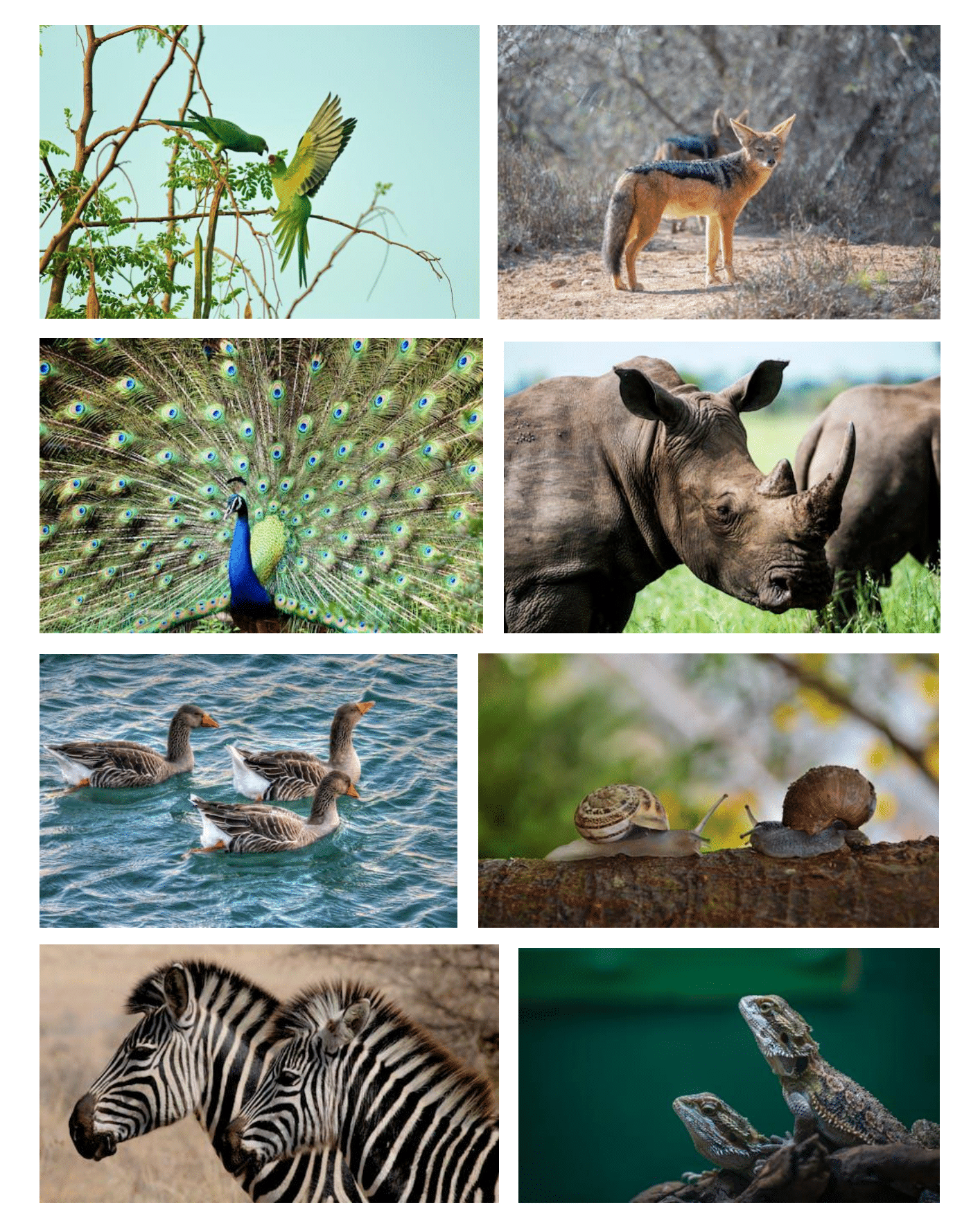
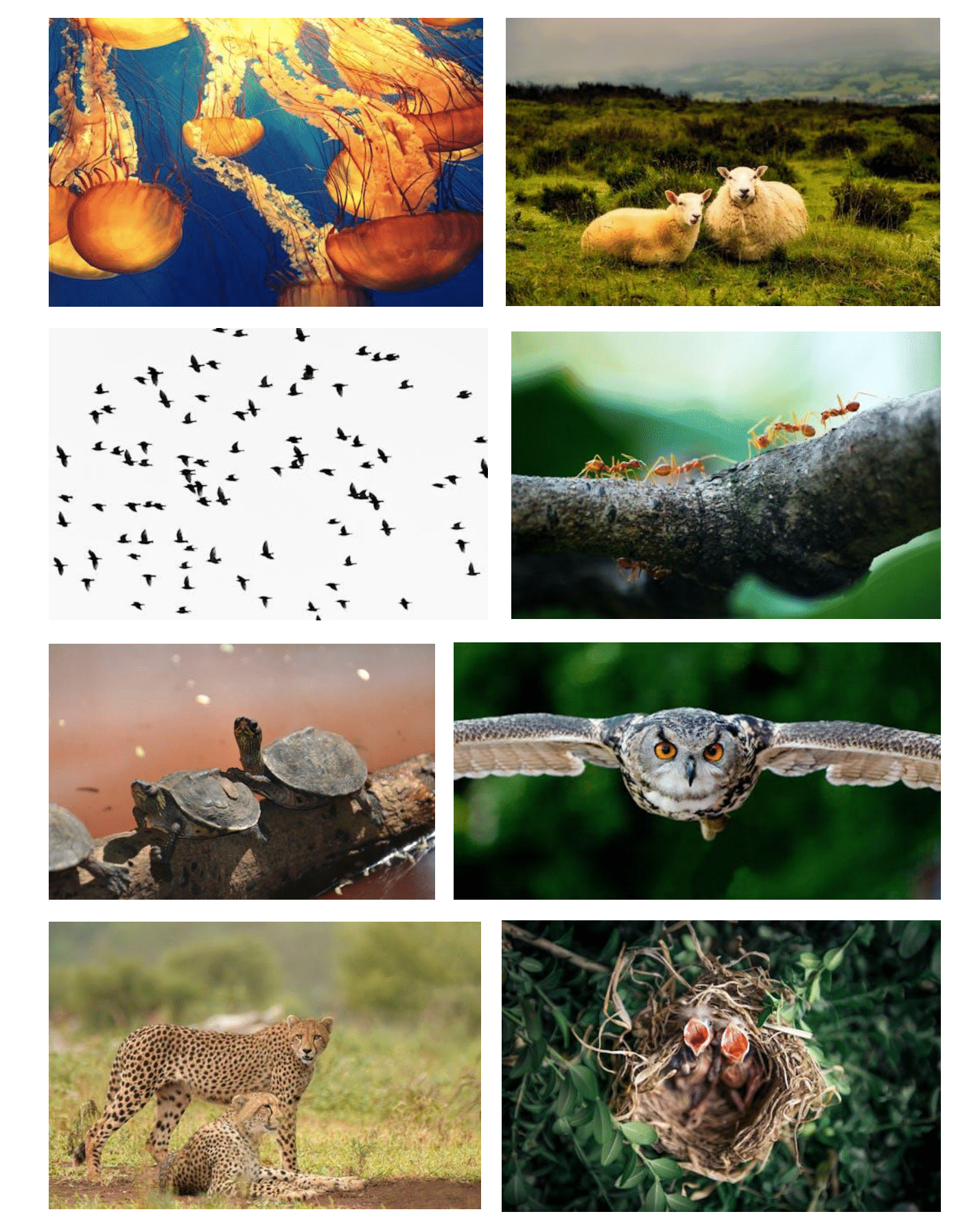
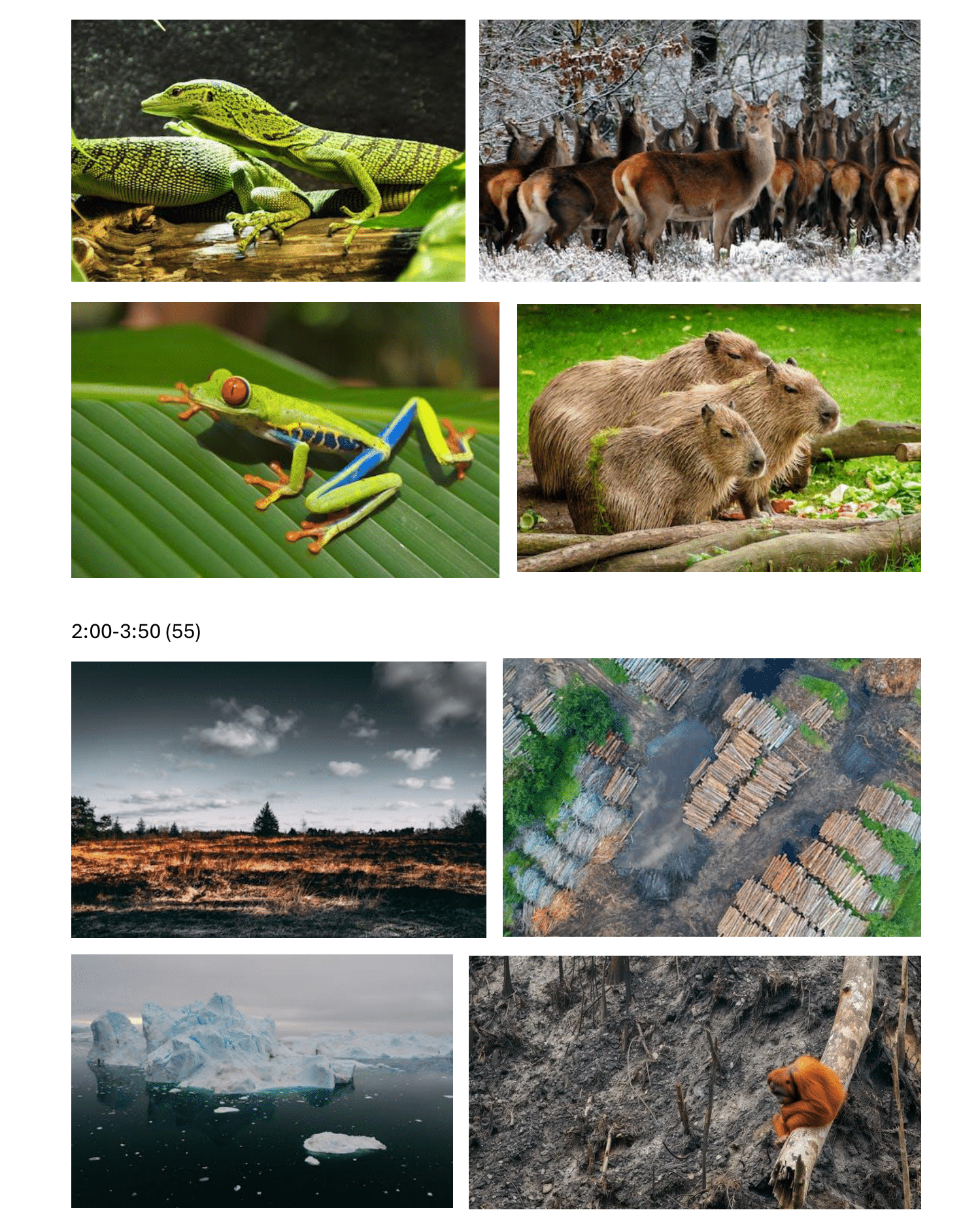
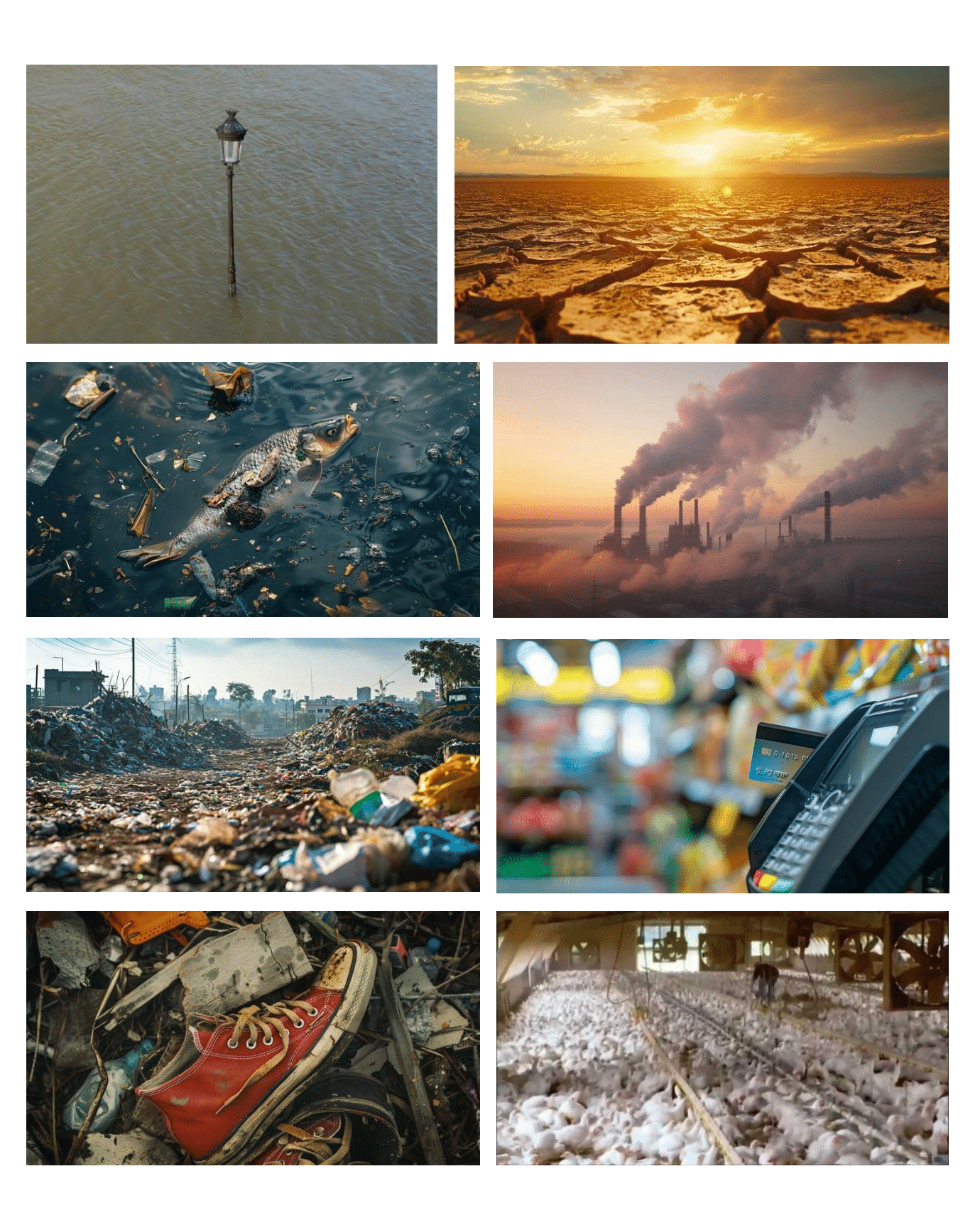
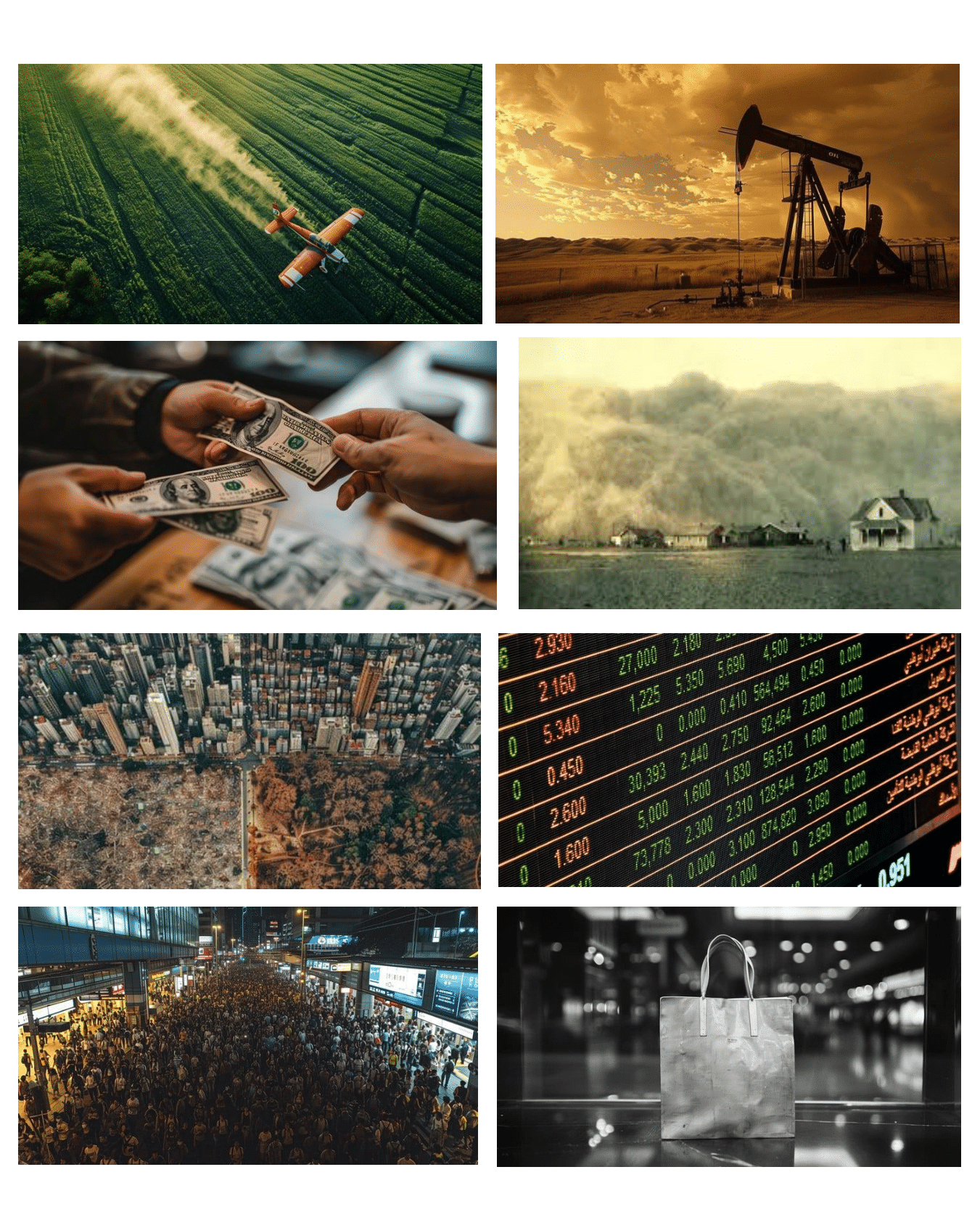
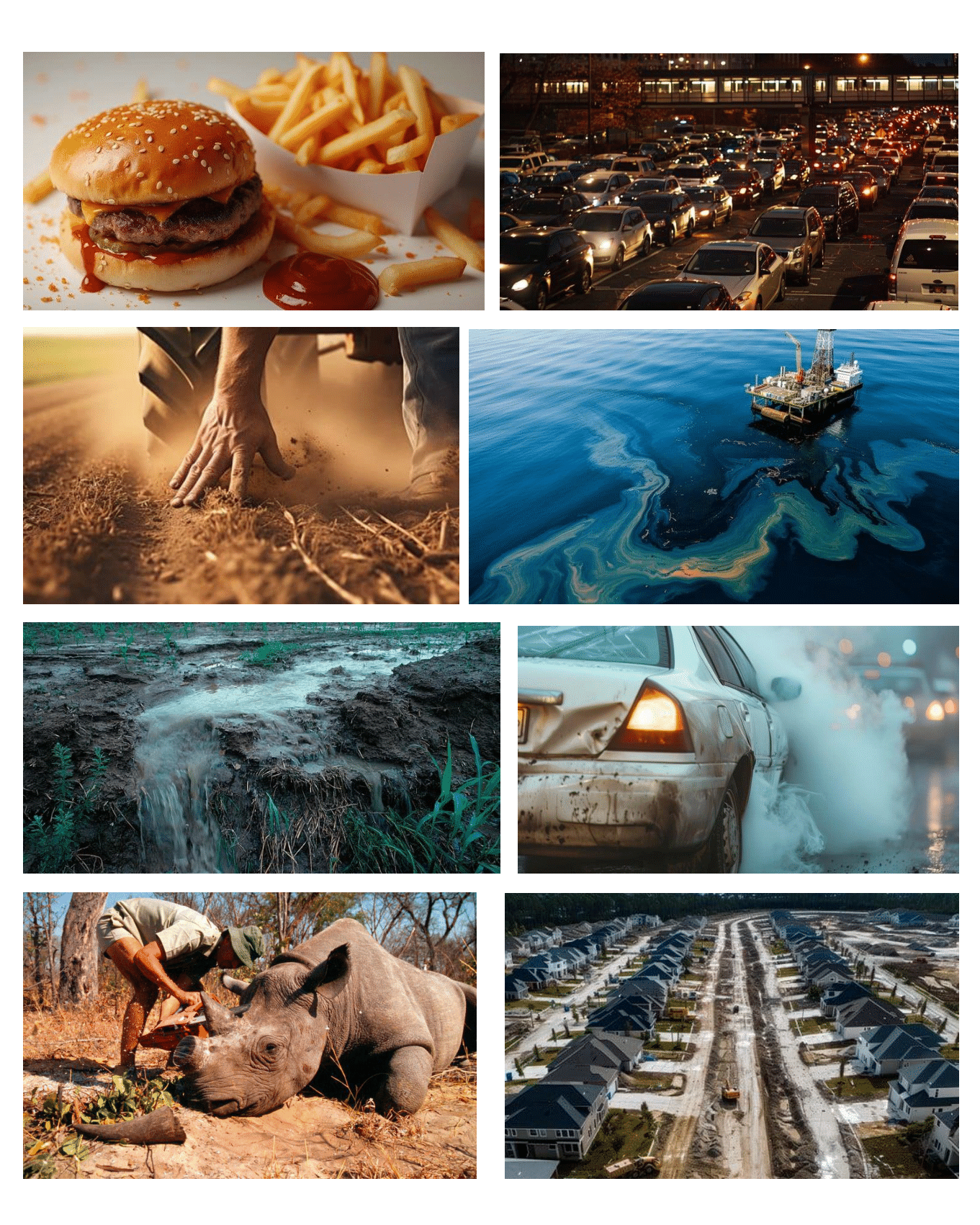
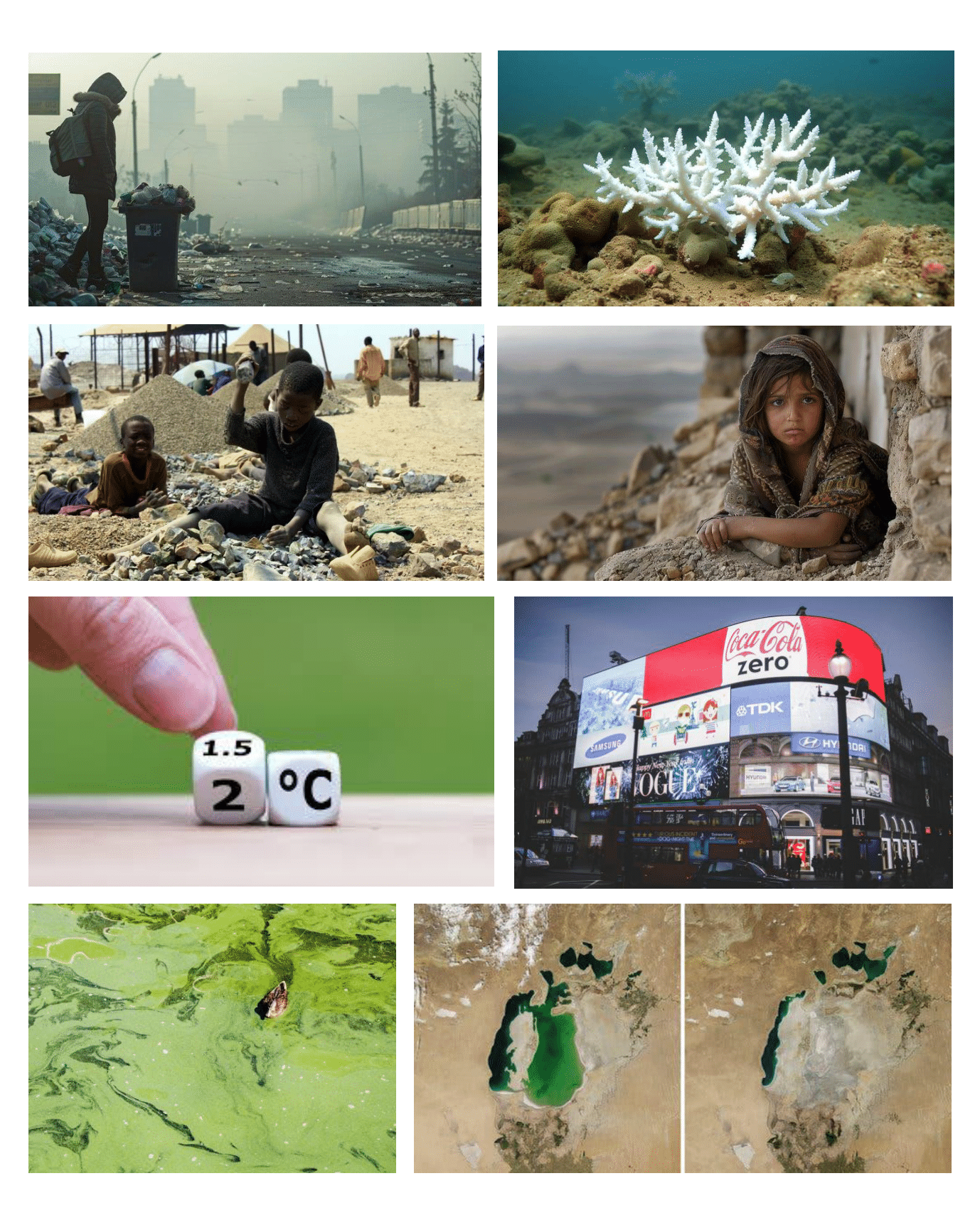
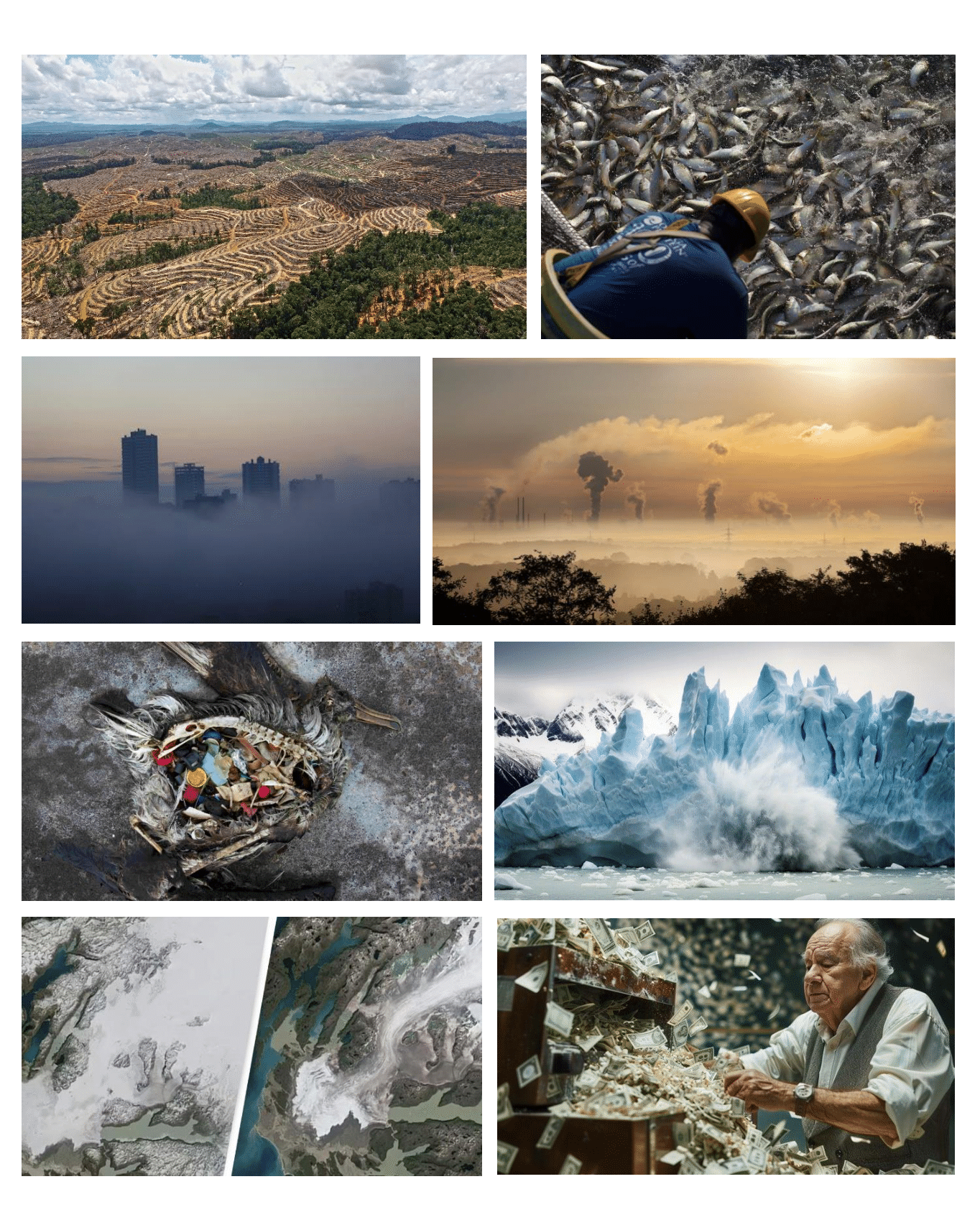
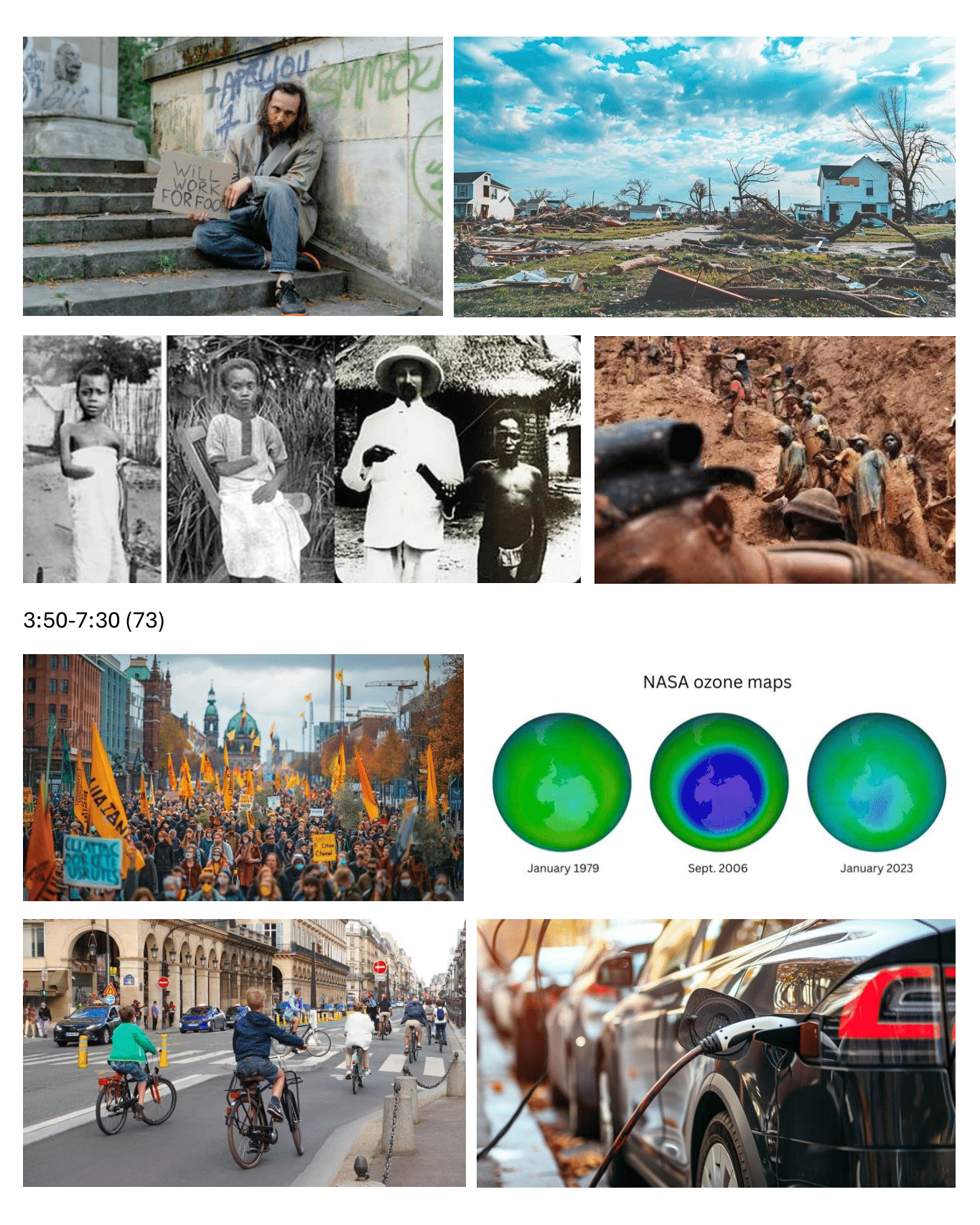
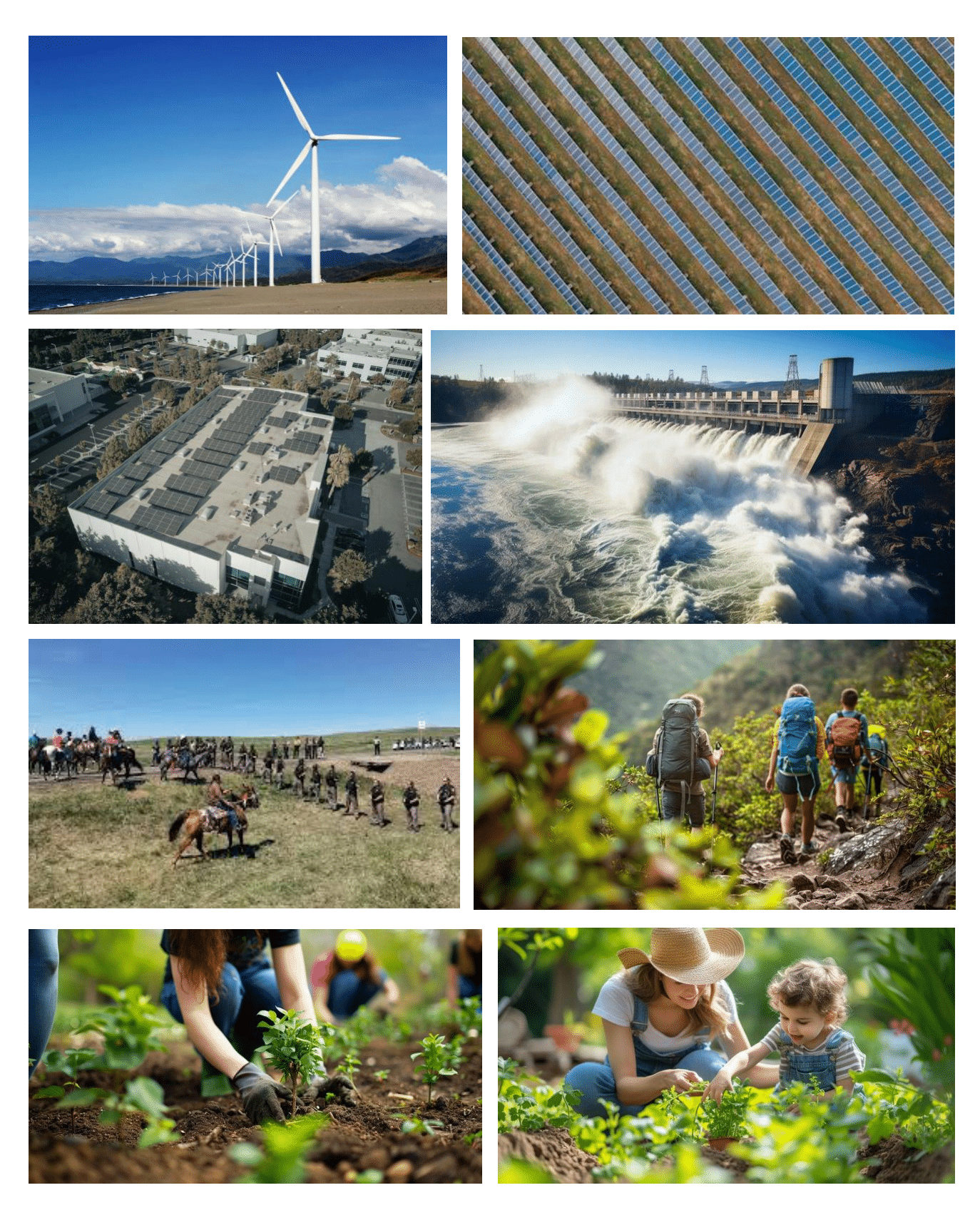
For my final project I have decided to make a video made up of images with a backdrop of a piece for cello and piano played by me and a pianist I will find. The piece I found to be the background music is called “Tres Campanas de Rere” (Three Bells from Rere) and is by Chilean composer Mario Oyanadel. The music is divided into three parts. The first major, the second minor, and the third once again major and has a very atmospheric soundscape. These qualities are the main reasons I chose to use it for this project. I wanted the images in the video to be divided into three sections in tandem with the piece. The first celebrating beautiful Earth, the second relating what we humans have been doing to bring the Earth into the state of exponentiating disaster we are in, and the third to show what efforts are being made to heal Earth and what more needs to be done.
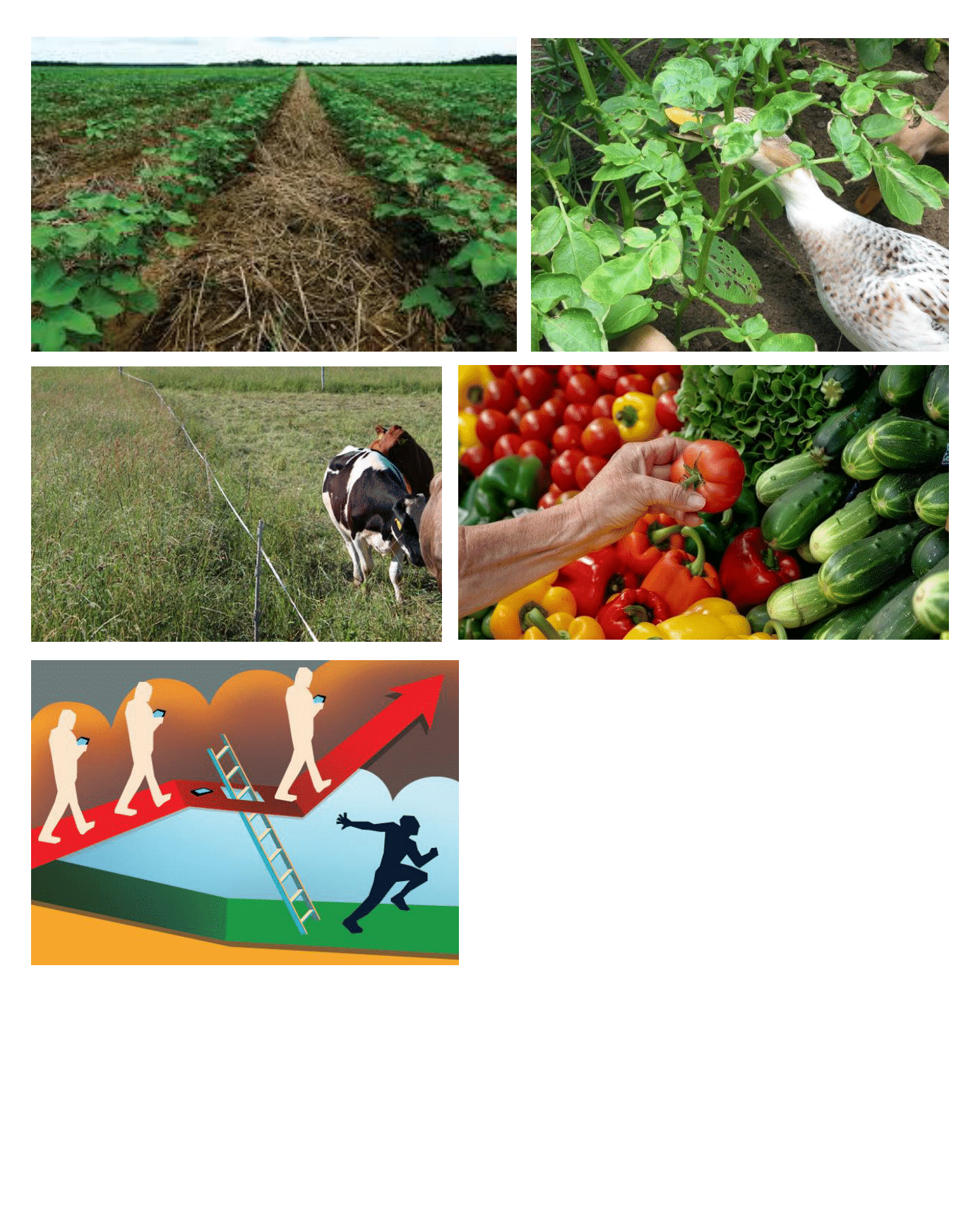
I did my best to find the images I chose on public domain websites so I would not have any copyright issues but in some cases, especially in the second and sometimes in the third sections, I could not find what I was looking for without looking on google. In these cases, I tried to find images that had been used on multiple sites and were not obviously copyrighted. I hope I don’t have any issues. The quantity of photos for each section is correlated to the length of the section in “Tres Campanas de Rere.” There are about 2 seconds for every picture in the first section and three in the second and third. For the first section of the video, the part that celebrates beautiful Earth, I started with images with space to put into perspective the miracle that is Earth and how tied it is to the cycles that makes it run so smoothly. From here, the images zoom in from landscape images all the way to individual organisms. I did my best to include images that cover Earth’s varied landscape. I will likely change the order a bit but for the most part, it will follow the layout I have put them in on the document. I had a much harder time finding pictures in the second section. I wanted images that covered the nine planetary boundaries we discussed in class and the cultural issues that make habits causing us to surpass the boundaries so difficult to break. I worry it is confusing, but I hope I achieved my goal at least somewhat affectively. The order of images will not be at all in the same order as they are in the document. I will start with images of the cultural habits and then move to the pictures of the effect they are having but I still need to organize them and add a few more. I have a lot more pictures to add into the third section, especially because it is the longest section, but I think they are self-explanatory in that they show the individual and large-scale efforts being made and needing to be made more for the cause of environmental healing.
It has been so incredible to be able communicate with Mario Oyanadel about “Tres Campanas de Rere.” He has been so enthusiastic about my project and interest in using his piece. I am so grateful he was so willing to send me the sheet music. I find his inspiration for writing the piece beautiful. This is what he said: “This piece is inspired by the bell tower of the Chilean village of Rere, a place rich in its history, legends, and myths. Inside the bell tower lie three bells, the main bell and two smaller secondary ones. The macro structure of the piece, in parallel to the bell tower, is composed of three parts, two of them are related to the culture of the Creoles and the last one to the culture of the Mapuches. At the same time, the inner elements of each section are related to the three bells since each of them is built upon three layers of musical materials. Lastly, the music looks to explore a static sound, in reference to the current state of Rere, a village that appears stopped in time from centuries ago.” While this description does not obviously follow the theme of the project, there are a few things that tie in. The piece is very historical in its meaning, and I have a couple references to history in my images. Specifically, the healing of the ozone layer, the pipeline protest, the exploitation of natural resources in Africa, and the shrinking of glaciers over years. In addition, whatever we do about our ecological situation, we will be making history whether it be a heroic story of success and change or a tragic story of destruction and bullheadedness. The history of the creoles is huge and includes a substantial portion of the world, so I had a difficult time wrapping my mind around how their story fit with the music but the history of the Mapuches fits surprisingly well with my message. The name Mapuche means “people of the Earth” in their native language. This is likely because they were farmers and relied on the Earth for their livelihood. I speculate they considered themselves a part of the Earth they tended. Their intimacy with the land probably helped them to see the Earth in its cycles, constant change, and vibrant life reflected in the way they lived over time. Eventually, the Mapuche people dwindled after they became independent of Spain due to war, disease, and work in Spanish gold mines. The static sound Oyanadel describes can be reflected in the constant rhythm of the way Earth works. Like the Spaniards did to the Mapuches, us developed countries are working hard to disturb this peace. “Tres Campanas de Rere” ends with this static sound and I sincerely hope we as humankind can once again unite with and learn from the vibrant life around us and restore the peace of Earth’s natural flow.
I am so excited to have this opportunity to make an impact through my art. It is inspiring to see the potential for the change my passion for the language of music can bring to the world I live in.