
Network Leadership
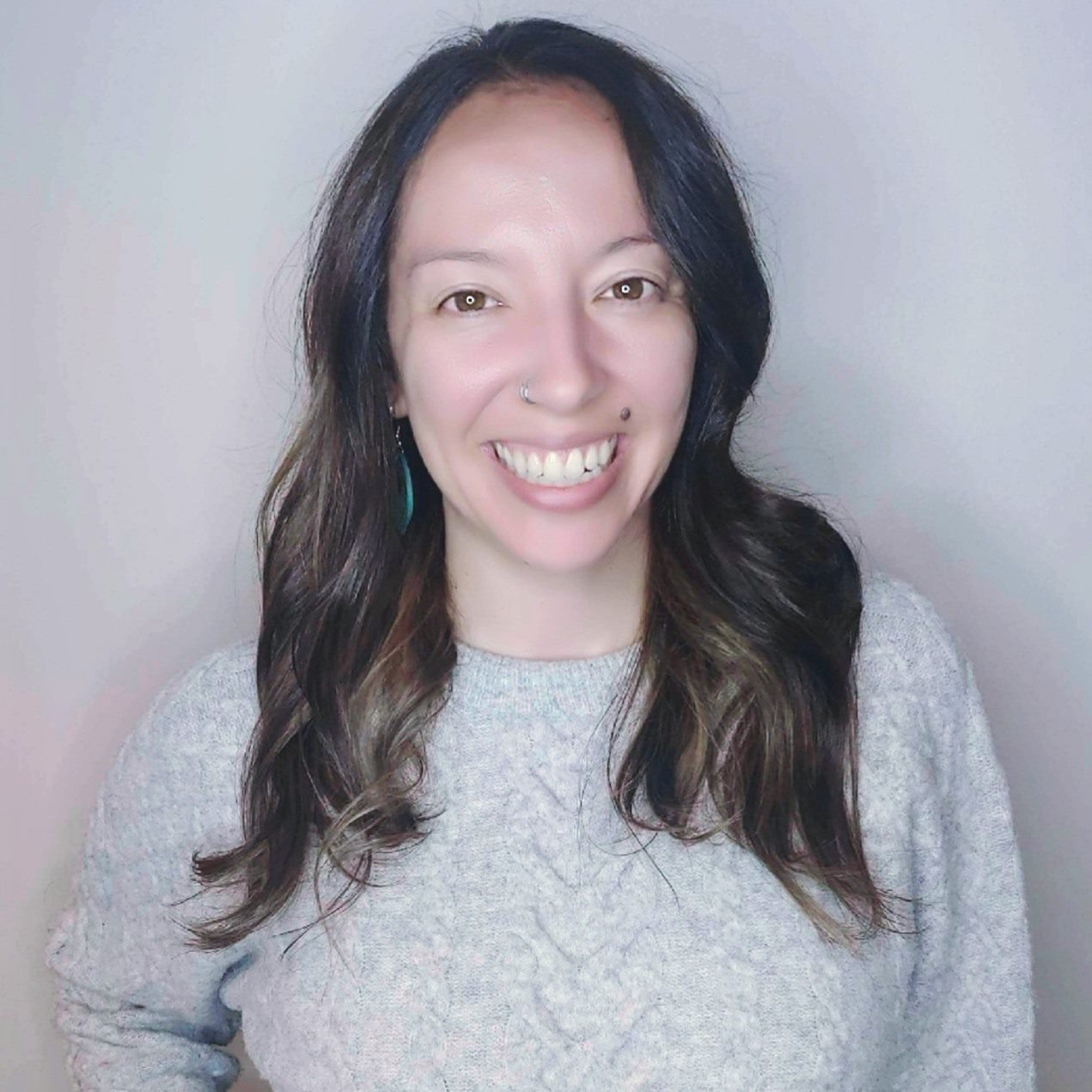
Stacia Ryder
Assistant Professor
Utah State University
Stacia Ryder is an Assistant Professor in the Department of Sociology at Utah State University. She received her PhD in Sociology in 2019 from Colorado State University and worked as a postdoctoral research in the Department of Geography at the University of Exeter from 2019-2023. Her place-based research has focused on issues of environmental, energy and climate justice. Since starting at USU, Stacia has engaged in several different projects focused on Great Salt Lake. One project looks at how people are experiencing drying lake systems in the western US, and the impacts this has on place connections and adaptation strategies, particularly in the context of Great Salt Lake and Salton Sea. She also has worked with several graduate students on issues of farmer perceptions and experiences on Great Salt Lake issue, desire and capacity to migrate away from the impacts of a drying Great Salt Lake, and the role of psychological distance in perceptions about Great Salt Lake. In her current position, she continues to work on energy projects focused on issues of equity, fairness and community engagement in the context of energy transitions away from coal and toward the implementation of renewable energy projects.
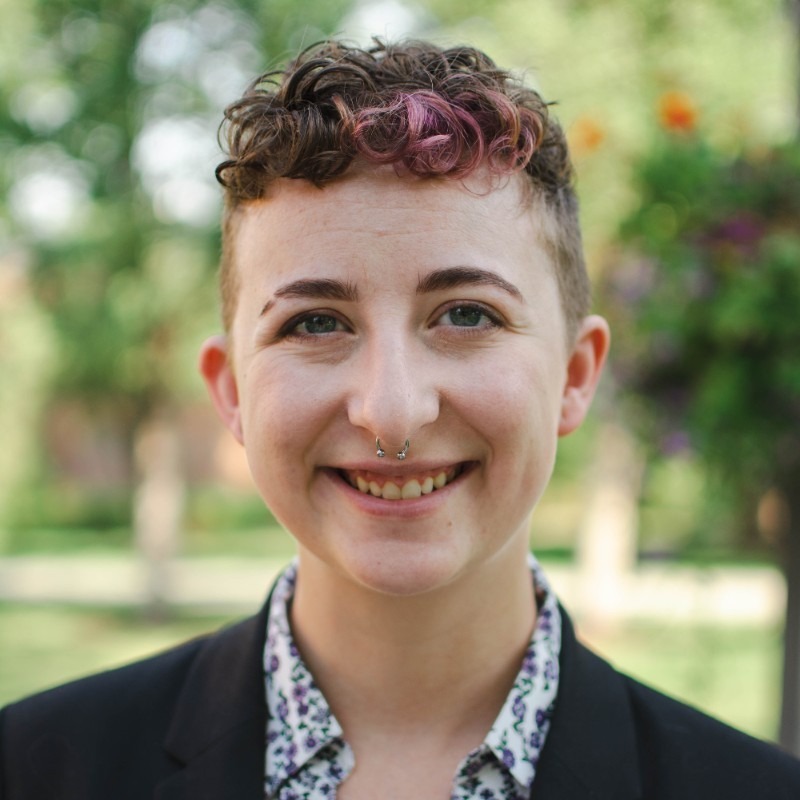
Shae Barber
PhD Student
York University
Shae Barber (they/them/theirs) was born and raised between the towering Rocky Mountains and the vast Great Basin in Bountiful, Utah, where they developed a deep connection to place on the shores of Great Salt Lake. As an interdisciplinary social scientist, their academic interests center on human-water relationality and kinship. Their current research examines language of animacy by environmental advocates at the Great Salt Lake and how it influences action and policy for environmental protection. In their free time, Shae enjoys watercolor painting, camping in the desert, and curling up with their cat, Beetle, and a good book.
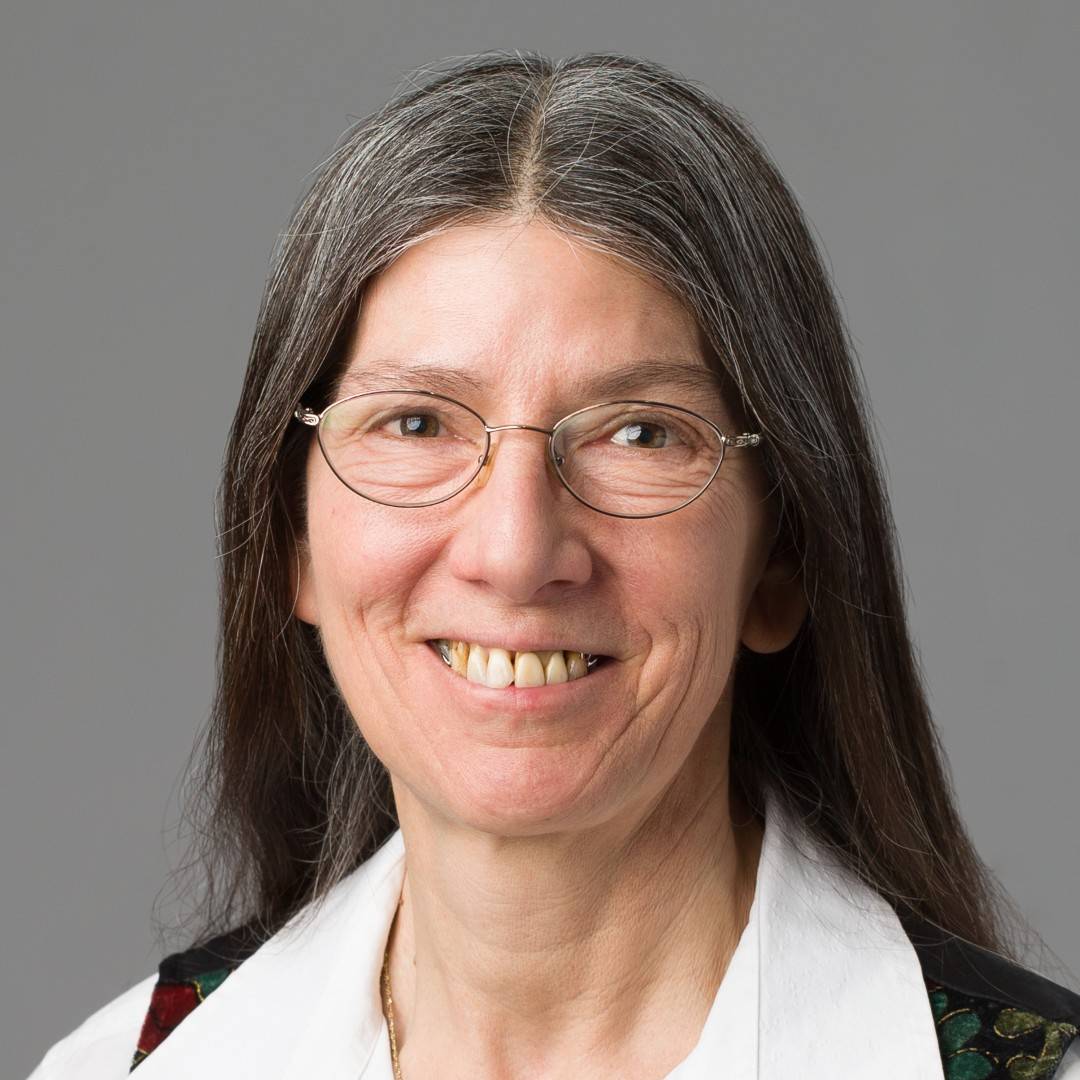
Carla Trentelman
Professor Emeritus
Weber State University
Dr. Carla Koons Trentelman is an environmental and natural resource sociologist, now a Professor Emeritus with Weber State’s Sociology program. She conducted the first substantial social science research on Great Salt Lake for her Ph.D. dissertation at Utah State University, “‘Big, Smelly, Salty Lake that I Call Home’: Sense of Place with a Mixed Amenity Setting” (2009). She has remained an advocate for the lake and an active voice for GSL social science research ever since, most recently organizing the GSL Social Science Network.
Trentelman published a journal article and book chapter on the lake, as well as an article outlining the survey research method she used for a substantial portion of her data collection (“drop-off/pick-up” methodology). She has presented on GSL social science issues in a wide variety of venues, for groups like the Great Salt Lake Advisory Council and other state-level meetings, advocacy groups, various academic events, and a diversity of community groups. At WSU, she and her students conducted water-related, research on campus, including for “iUTAH” (innovative Urban Transitions and Aridregion Hydro-sustainability), a five-year, NSF-funded, statewide water project. Now happily retired, Carla is still involved with this network and also sits on the Weber River Watershed Council.
Network Affiliates

Mufti Nadimul Quamar Ahmed
PhD Student
Utah State University
Mufti Nadimul Quamar Ahmed is a Ph.D. candidate in Environmental Sociology at Utah State University. His academic and community engagements are rooted in sustainability, environmental justice, and the lived experiences of marginalized populations, including immigrant communities in the United States and environmentally vulnerable populations in Bangladesh. Mufti’s PhD research examines how climate change and environmental issues shape Utahns’ migration decisions and fertility planning, and whether migration serves as a climate adaptation strategy for Utah immigrants.
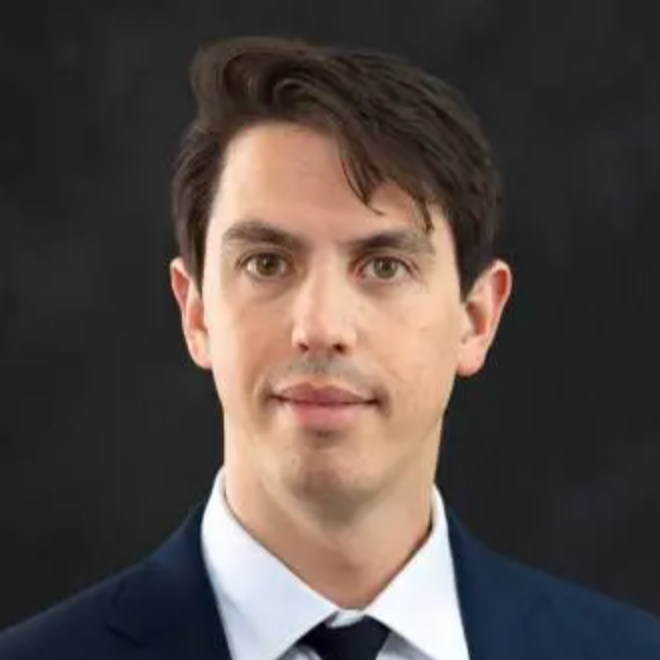
Malcolm Araos
Assistant Professor
New York University
Malcolm Araos is an Assistant Professor of Sociology and Public Service at NYU’s Wagner Graduate School of Public Service and Associated Faculty in the Department of Environmental Studies. His research focuses on climate change adaptation politics and policy. He studies how governments, communities, and individuals collectively imagine, plan, and implement responses to climate change threats such as flooding or water scarcity. His goal is to produce generalizable knowledge on how societies can equitably make progress on protecting vulnerable citizens and infrastructure from climate change impacts, particularly in cities. Recent projects include an analysis of the climate politics surrounding efforts to save the shrinking Great Salt Lake in Utah, a case study of participatory democracy in New York City’s coastal adaptation planning after Superstorm Sandy, and a series of collaborative global assessments of progress on climate adaptation across sectors and scales.

Daniel Bedford
Professor
Weber State University

Sadie Braddock
Sustainability Engagement Coordinator
Weber State University
Sadie is passionate about understanding the interconnected relationship between people and nature, exploring environmental attitudes and behaviors, and examining how these factors impact intersectional issues of environmental justice and climate change. She received her Master of Science in Environmental Sociology from Utah State University in May 2024. Utilizing findings from the Utah People and Environment Poll (UPEP), her thesis explores Utahns’ support for various strategies to remedy the shrinking of the Great Salt Lake. Sadie adds to the literature by bringing in a focus on how socioecological frameworks like Rights of Nature and Multispecies Justice can offer potential solutions to the lake’s environmental challenges. Her thesis, “Addressing the Great Salt Lake Desiccation: Exploring Support for Alternative Frameworks on Rights of Nature and Multispecies Justice”, is published in Utah State University’s digital commons.
Georgie Corkery
Coordinator
Westminster University
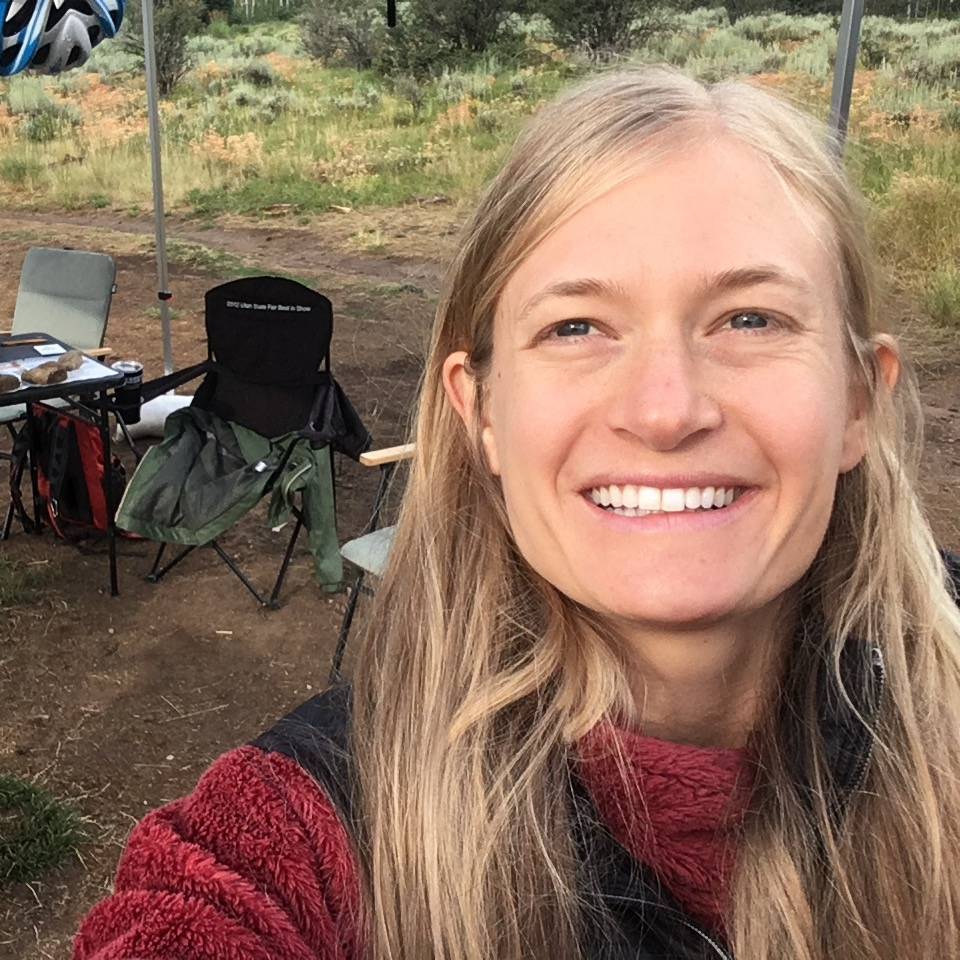
Georgie earned a BA in Environmental & Sustainability Studies and a BS in Urban Ecology from the University of Utah and an MS in Ecology from Utah State University, where her thesis focused on aspen ecology and recreation management. She is currently the Coordinator of the Great Salt Lake Institute at Westminster University and serves as Board President of Great Salt Lake Audubon, which she joined in 2018. Her professional background spans environmental and social justice, nonprofit work, and urban agriculture. Her current interests center on science communication, Great Salt Lake ecology, community building, and the conservation of bird habitats.
Joanna Endter-Wada
Professor Emeritus
Utah State University
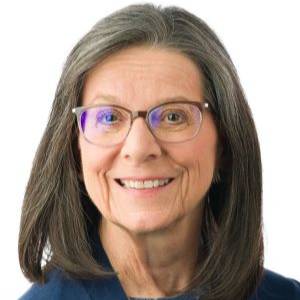
Dr. Endter-Wada is a Professor of Natural Resource Policy and Social Science. She leads the WaterMAPS™ program and co-directs the National Environmental Policy Act (NEPA) Graduate Certificate Program. Her research focuses on water policy and on understanding people’s interactions with their environments and with each other in the use of natural resources. She is currently conducting research on Great Salt Lake, urban landscape water use and conservation, human dimensions of drought and climate change, and wetland management. During her professional career, Dr. Endter-Wada has been involved in many interdisciplinary academic programs and research projects and served at state and federal levels in policy-related appointments. She holds MS and PhD degrees from the University of California at Irvine.
Eric C. Ewert
Professor
Weber State University
Professor Ewert's current research and teaching interests lie in environmental studies, the American West, population, historical and economic geography and geospatial technologies. Dr. Ewert has lived in western states from Arizona to Alaska. A lifelong and mesmerized observer of the region, his research and writing focus on the rapid demographic and economic change occuring in the American West and the costs associated with such environmental and cultural transgressions. He has authored more than three dozen articles, book chapters, editorials, and maps, delivered nearly thirty papers at regional and national conferences, and traveled widely in the Americas and Europe. He currently serves as Professor and Chair of the Department of Geography, Environment & Sustainability at Weber State University.
Courtney Flint
Professor
Utah State University
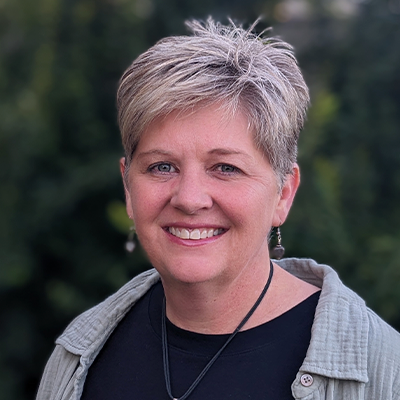
Dr. Courtney Flint is a community and natural resource sociologist and interdisciplinary environmental social scientist. Her work focuses on people’s perspectives and collective actions in changing landscapes and social and natural resource conditions. She prioritizes providing sound data to support local and regional decisions on land use, natural resource management, and local and regional wellbeing. Dr Flint’s work in the GSL Basin focuses on the perspectives of local water management organizations, including surveys and interviews with municipalities, irrigation companies, and special service districts. Dr. Flint’s PhD is in Rural Sociology from The Pennsylvania State University. She has a MS in Geography from the University of Colorado at Boulder and a BS in Geography from Northern Arizona University. She previously served on the faculty of the University of Illinois at Urbana-Champaign in the Dept of Natural Resources and Environmental Sciences and in the Sociology Program at Utah State University.
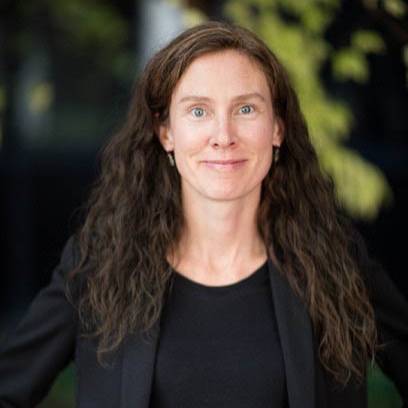
Jennifer Givens
Associate Professor
Utah State University
Dr. Jennifer Givens is an Associate Professor of Sociology at Utah State University and an environmental and comparative international sociologist. Her research examines coupled environmental and social contexts across and within countries, including how these relationships change through time. For example, some of her research is on environmental concerns and behaviors, their causes and impacts, and variation in individuals’ adaptation strategies and support of policies to address socio-environmental issues, including the drying of Utah’s Great Salt Lake. In other research she studies global variation in trade relationships, uneven integration, the carbon intensity of well-being, and drivers and consequences of saline lake desiccation. She often explores issues related to justice, inequality, economic growth and development, militarization, energy use and emissions, sustainability, drivers of climate change, and action to address global environmental issues.
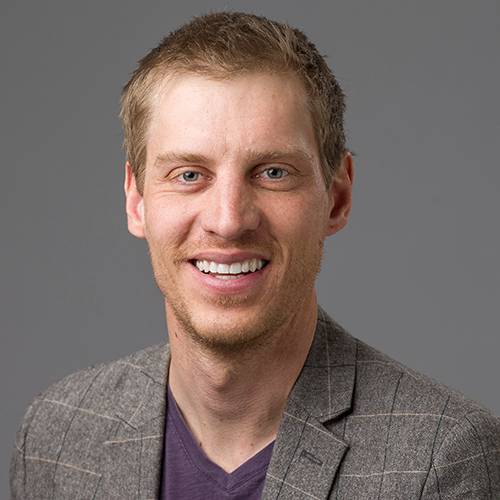
Matt Gnagey
Associate Professor
Weber State University
Matthew Gnagey joined the Weber State University faculty in 2014 as an associate professor of economics at the Goddard School of Business & Economics.
Gnagey received his master's in economics and PhD in environmental economics from the Ohio State University in the Department of Agricultural, Environmental, and Development Economics. His research uses economics, ArcGIS mapping, and statistics to study environmental and urban issues involving land use. He is particularly interested in policies that promote the sustainable use of land.
Prior to academia, Gnagey worked in international development in Indonesia, and he has traveled widely for work and leisure. When not at work, he loves spending time with his twin girls, and enjoys being outdoors, most frequently skiing, hiking, bicycling and camping. He also likes to bake bread and is an avid bridge player.
Sara Grineski
Professor
University of Utah
Sara Grineski is a Professor of Sociology and Environmental Studies at the University of Utah. Her research interests are in environmental health disparities, children's health, and environmental justice. Her doctoral education was funded by a five-year National Science Foundation (NSF) Integrative Graduate Education and Research Training (IGERT) fellowship in urban ecology at Arizona State University. As a Master's student, she collaborated with a neighborhood on a community-based participatory research project on children's environmental health, an experience that set the course for Dr. Grineski's future career. After graduating in 2006 with her Ph.D. in Sociology with a minor in Geography, she became an Assistant Professor in the Department of Sociology & Anthropology at the University of Texas at El Paso (UTEP). While at UTEP, she was a Principal Investigator (PI) on the Building Infrastructure Leading to Diversity (BUILD) award, which was funded by the National Institutes of Health (NIH). On this award, Dr. Grineski developed and directed the academic year and summer research mentoring programs for undergraduate student and faculty mentees, which spanned across 15 colleges and universities. Separate from the NIH BUILD award, Dr. Grineski has received external research funding as a PI or Co-PI from the National Science Foundation (NSF), the National Institute of Health (NIH) and US Environmental Protection Agency (EPA). She has published in outlets ranging from Social Science & Medicine and Social Forces to Environmental Research Letters and Environmental Research. Throughout her faculty career, Dr. Grineski has set as a top priority involving students in her research; over half of her publications involve student authors.

Bailey Holdaway
PhD student
Utah State University
Bailey Holdaway is a PhD student in the Department of Environment and Society at Utah State University’s Quinney College of Agriculture and Natural Resources. Her research explores how communities and organizations navigate complex water challenges in the Intermountain West, with a focus on governance, policy, and adaptation to water hazards.
Building on her master’s research on irrigation company water management in Utah’s Great Salt Lake Basin, Bailey’s doctoral work expands to examine the social dimensions of water hazards. Specifically, how people understand, plan for, and respond to them across jurisdictions and landscapes.
As a social scientist with a strong foundation in water resources, she is passionate about connecting academic insights with on-the-ground decision-making. Bailey is motivated by work that blends science, policy, and people with an emphasis on the lived experiences of people and communities.
Beyond her research, she is deeply committed to service and leadership within the university community. Bailey currently serves on the Quinney College of Agriculture and Natural Resources Graduate Student Council’s Social and EcoLunch Planning Committees, as well as Utah State University’s Community and Natural Resources Institute Steering Committee. She also represented students in various faculty capacities, including as an elected departmental representative and as a member of multiple faculty search committees, most recently for a faculty position in Environmental and Natural Resource Policy.
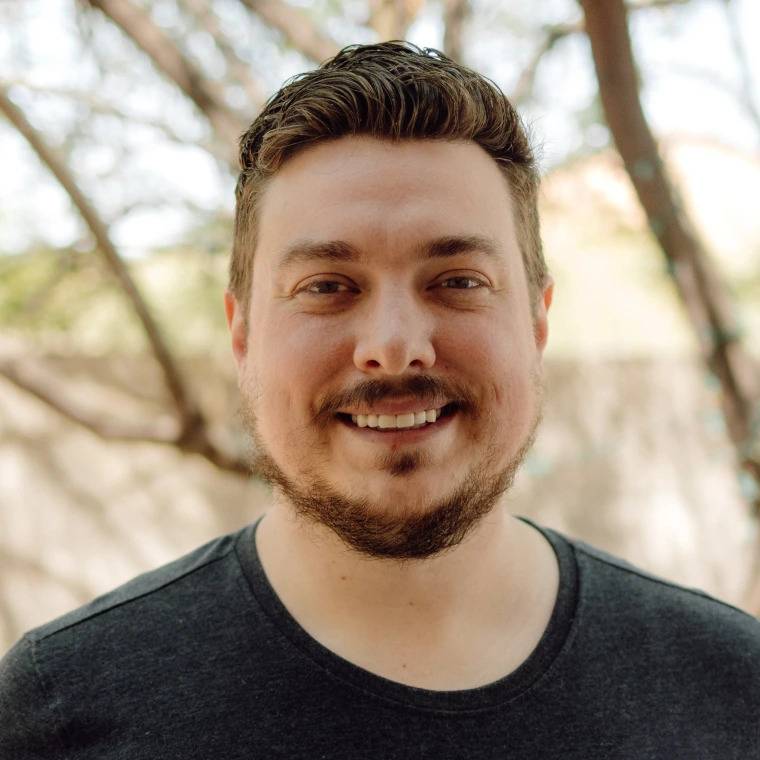
Dallin Johnson
PhD student
University of Arizona
Dallin is a PhD student in Sociology. His research interests include migration, environmental sociology, and public health. Previously, he has conducted or assisted research on topics including social factors influencing adolescent development, migration as an adaptive strategy, and a variety of projects related to the desiccation of the Great Salt Lake.
Dallin holds a BA in Psychology from Utah Valley University and an MS in Sociology from Utah State University. He enjoys hiking, filmmaking, and traveling.
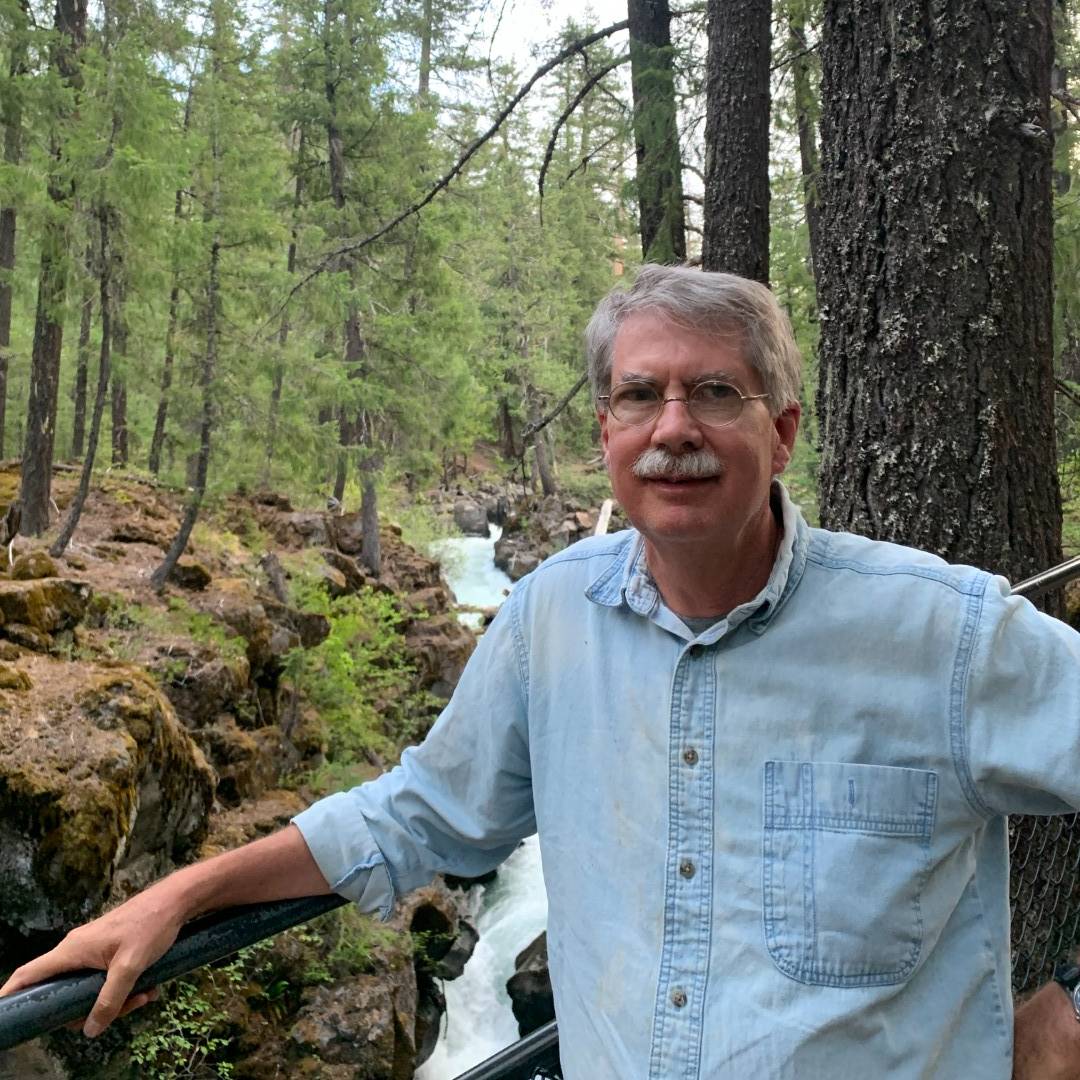
Chris Lant
Professor
Utah State University
Dr. Christopher Lant joined Utah State University’s Quinney College of Natural Resources as professor and Department Head of Environment and Society in 2014 after 26 years as a Geographer at Southern Illinois University — including 12 years as the executive director of the Universities Council on Water Resources. Dr. Lant’s work has focused on water resources, the water-food nexus, environmental and agricultural conservation policies, publishing over 50 peer-reviewed journal articles and book chapters, mostly in collaboration with dozens of doctoral and master’s advisees. His work has focused on policies that can reduce polluted run-off, restore wetlands, promote ecosystem service provision, and add wind energy as a 21st century “crop.” He has also published on water footprint analysis and virtual water trade. A recipient of over $10 million in research and program development funding, his recent work on NSF’s Coupled Natural and Human Systems and Innovations in Food-Energy-Water Systems (INFEWS) programs has focused on projecting the likely geographic response of the crop belts to climate change, human appropriation of net primary production, and the ecological inter-dependencies it generates through trade.

Felicia Lee
Master's Student
University of Colorado Boulder
Felicia Lee is a Master's student in Cultural Anthropology at the University of Colorado Boulder, where her research sits at the intersection of religious belief and environmental action. Growing up near Utah Lake and the Great Salt Lake, she developed a lasting relationship with the waters of the Great Basin, one that now anchors her academic work. Her thesis investigates how Latter-day Saint (Mormon) concepts of stewardship shape community responses to pressing water challenges in the American West, with a focus on the declining Great Salt Lake and the overallocated Colorado River system.
Felicia holds a BA in Cultural Anthropology from Brigham Young University and returned to academia after more than a decade away, bringing a practical, community-grounded perspective to her fieldwork. She is currently conducting ethnographic research with LDS communities in Utah and is working at the Center of the American West at CU Boulder.
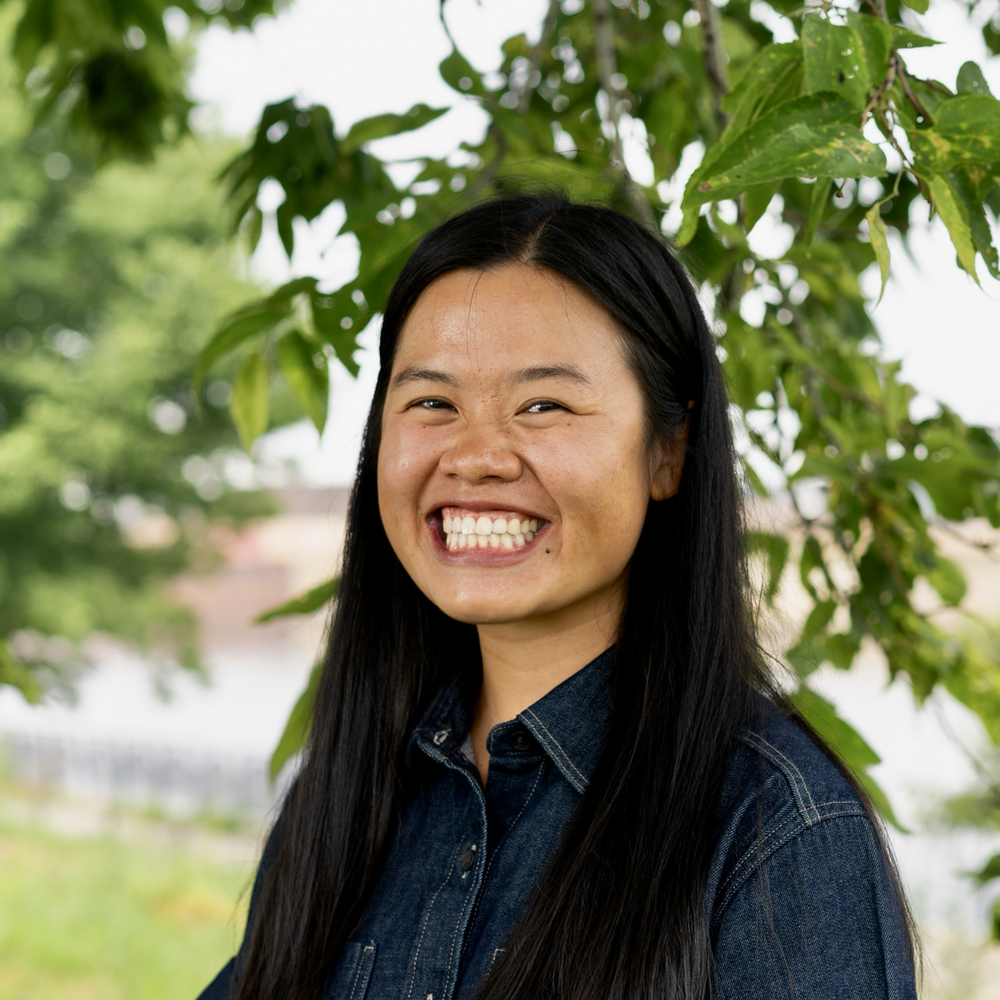
Julianne Liu
Master's Student
University of Michigan
Julianne is a master’s student in environmental justice at the University of Michigan. While currently located near the Great Lakes, she grew up in the suburbs of Great Salt Lake and graduated from the University of Utah with BAs in ecojustice education and French, a minor in dark sky studies, and a certificate in climate change. In her work, Julianne has built intersectoral coalitions to support local power building and decision-making, launched environmental justice programs at NASA and EPA, and contributed to environmental curriculum for primary and secondary school students. Her current research focuses on the stories of dust in Utah, from the unjust wartime incarceration of Japanese Americans at Topaz to the unfolding desiccation of Great Salt Lake.
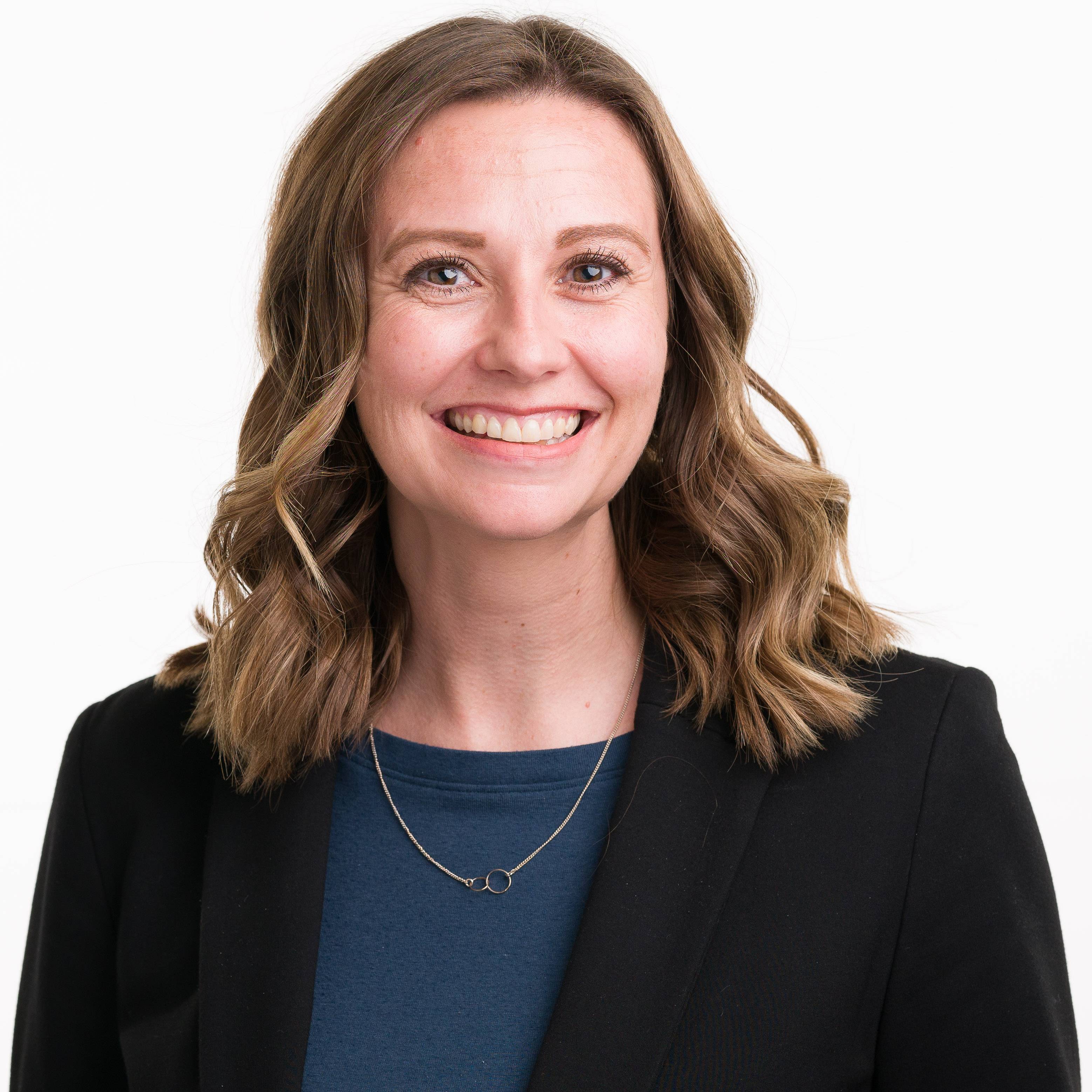
Anna McEntire
Managing Director
Janet Quinney Lawson Institute for Land, Water, and Air | Utah State University
Dr. Anna McEntire is the managing director of the Janet Quinney Lawson Institute for Land, Water, and Air at Utah State University. The mission of the institute is to help guide Utah land, water, and air policy by connecting decision-makers with high-quality research. Anna is currently overseeing projects on Great Salt Lake, Bear Lake, Colorado River, land use and water planning, disaster resilience, and AI’s use in federal permitting. Her research focuses on public opinion, communication, engagement, and policy surrounding natural resource issues, especially Great Salt Lake. She is a co-chair of the Great Salt Lake Strike Team and an academic partner of the Great Salt Lake Collaborative, and she sits on several statewide policy committees and programs. Anna was previously executive director of Research Communications at USU. She received a PhD in Environment and Society, a master’s in corporate communication, and bachelors' in journalism and political science—all from USU.
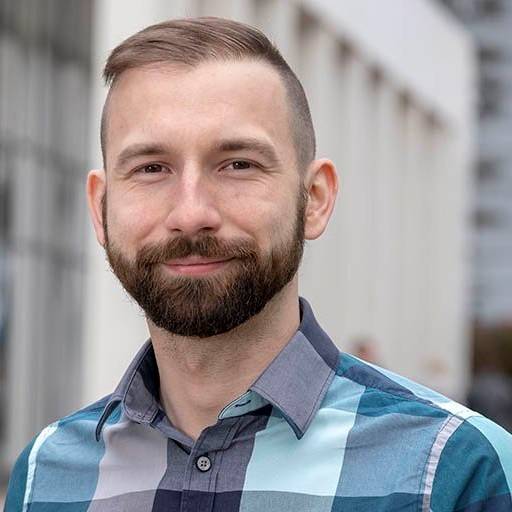
Michael Mikulewicz
Assistant Professor
State University of New York of ESF
Michael is a human geographer and an assistant professor of climate justice at the Department of Environmental Studies at the State University of New York College of Environmental Science and Forestry (SUNY ESF). His research investigates the intersecting social, economic and political inequalities caused by the impacts of, and our responses to, climate change and other environmental issues in both the Majority World and the Minority World. He is particularly interested in the effects of droughts and flooding in marginalized communities across the United States and beyond. He has published his work in Nature Climate Change, Annals of the American Association of Geographers, Global Environmental Change, Antipode, Climate and Development, Geoforum, New Political Economy, The Lancet Planetary Health, among others. Michael obtained his PhD in Human Geography from the University of Manchester, UK.

Jessica Reynolds
Watershed Coordinator
Weber River Partnership
Jessica Reynolds is a trained social scientist and Watershed Coordinator with the Weber River Partnership. She holds an M.A. in Applied Sociology from Idaho State University and a B.S.F.R. in Fisheries and Wildlife from the University of Georgia. Her work sits at the intersection of environmental sociology, fisheries, community-based conservation, and natural resource management, with a focus on understanding how communities experience and respond to environmental change.
Jessica’s research and professional experience spans the Pacific Northwest, Alaska, and Patagonia, Chile. At NOAA’s Alaska Fisheries Science Center, she worked with remote Alaska communities to incorporate social indicators and community knowledge into marine resource management. Her graduate research in Patagonia examined community-based conservation and socio-environmental systems, including how locally informed approaches can shape conservation and resource management. She also has experience supporting community-informed nonprofit development in Chile. More recently, with the Puget Sound Partnership, she worked with Tribes, local governments, practitioners, landowners, and funders to identify and address barriers to funding salmon and ecosystem recovery.
At Weber River Partnership, Jessica works to build collaborative capacity for watershed conservation and community engagement in the Weber River watershed, including efforts to better understand community perspectives and connect local knowledge, partnerships, and decision-making. Her fisheries background and experience working across community, nonprofit, and resource-management settings inform her interest in the social dimensions of Great Salt Lake conservation and adaptation.
Outside of her professional work, Jessica has remained connected to fisheries and working waterfronts, including commercial fishing out of Nome, Alaska. She also teaches sociology as an adjunct instructor at Idaho State University and enjoys rock climbing, hiking, and exploring the outdoors with her dog, Maple.

Jordan Rowley
PhD student
Utah State University
Jordan Rowley is a sociology PhD student focusing on multispecies justice and place attachment. Jordan earned his MA in Sociology at Northern Arizona University in 2023 where his thesis focused on Sewage Canyon, an act of environmental injustice that took place in Flagstaff, Arizona from 1900-1960. Currently, Jordan's work focuses on birders, their multispecies relationships, and place attachment to Great Salt Lake.

Jessica Schad
Professor
Utah State University
Dr. Jessica Schad is a Professor in the Sociology Program, Director of the Community and Natural Resources Institute, and an Extension Specialist. As a rural community and natural resources sociologist, her community-engaged and applied research focuses on the dynamic relationships between extractive and non-extractive natural resource dependency and rural people and places with the goal of promoting resiliency and wellbeing. Notably, Dr. Schad started the Utah People & Environment Poll (UPEP) to track Utahns' perceptions on environmental issues of importance to the state longitudinally. Dr. Schad has published 60 peer-reviewed journal articles, four book chapters, nine extension publications, and 20 policy/research briefs and has been on research teams securing extramural grants totaling nearly $21 million. Overall, this work has provided a better empirical and comparative understanding of rural residents’ perspectives on community and environmental issues in diverse rural places across the United States and within Utah. Graduate and/or undergraduate students always work closely with Dr. Schad on her research projects. Reflecting both the breadth and depth of her expertise on rural places, she was recently selected to lead the Rural Communities Chapter of the Sixth National Climate Assessment, the U.S. Government’s preeminent report on climate change impacts, risks, and responses.

Tasfia Tasnim
PhD student
College of Environmental Science and Forestry | State University of New York
Tasfia Tasnim’s work mainly focuses on research, capacity building, and policy advocacy in the field of climate change, environment, and sustainable development. She mainly coordinates the Nature-based Solutions (NbS) Programme at the International Centre for Climate Change and Development (ICCCAD), based in Dhaka, Bangladesh. Her expertise is centered around nature- based solutions, climate services, and climate finance. From ICCCAD, Tasfia is collaborating with the Nature-based Solutions Initiative (NbSI) at the University of Oxford to develop the NbS Bangladesh Portal and NbS Bangladesh Network to gather and generate evidence based on NbS and to sensitise different groups of actors on NbS. Under the Oxford Martin School Programme on Biodiversity and Society, she is managing the work with Oxford, Peru, and Bangladesh from ICCCAD, and is involved as a researcher to explore the economic recovery potential of NbS interventions from Bangladesh. Tasfia aspires to become an environmental researcher aiming to influence policy decisions through sustainable and impactful research interventions by working on climate change, development, biodiversity, and nature.

Nathan Thompson
Master's Student
Utah State University
Nathan Thompson is a self-proclaimed “definitely not an adrenaline junkie” who loves mountain biking, rock climbing, and whitewater rafting. He completed his Bachelors degree in environmental science at BYU and is currently pursuing a Masters degree in environmental sociology at USU. His research interests relate to bridging the gap between environmental issues and the communities interacting with those issues, with his current focus being the drying of Great Salt Lake. Nathan’s motivation to save Great Salt Lake, along with other natural gems, comes from his personal experiences in the natural world, whether on camping trips with his friends and family or as a whitewater rafting guide with clients. When he’s not working on research projects or off on adventures with his wife, Nathan is probably at home playing the banjo.
Nathan’s current research for his master’s thesis uses survey methods to evaluate what factors influence psychological distance—how close or distant a person feels from something either temporally, spatially, or socially—from the desiccation of Great Salt Lake. The results will be used to determine how demographic variables, levels of concern and awareness, and how close respondents live to the lake influence psychological distance and support for solutions to save Great Salt Lake.
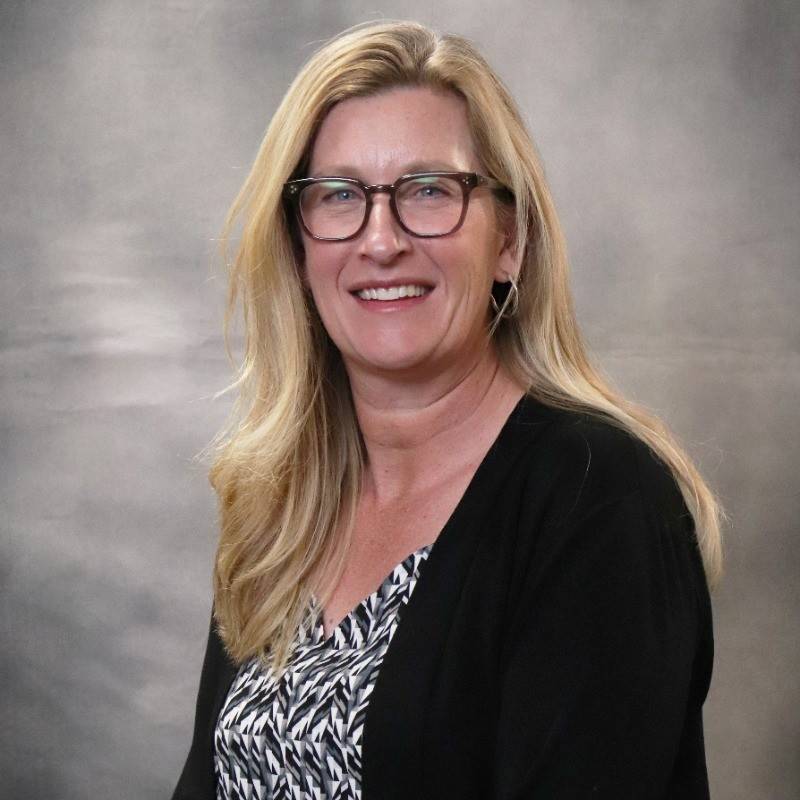
Laura Vernon
Great Salt Lake Basin Planner
Utah Department of Natural Resources
Laura Vernon is the Great Salt Lake Basin Planner for the Utah Department of Natural Resources Division of Water Resources. She has been working on land use and planning issues in the Great Salt Lake watershed for nearly two decades. With a bachelor’s degree in psychology and a Master’s in public administration, her work has emphasized the incorporation of stakeholder engagement and collaboration into regional land and water planning. With an interest in community involvement and urban planning, she recently served on the South Salt Lake Planning Commission. Currently, her work is shaping the management of critical water resources in the Great Salt Lake Basin, demonstrating her dedication to sustainable planning and community-focused solutions.
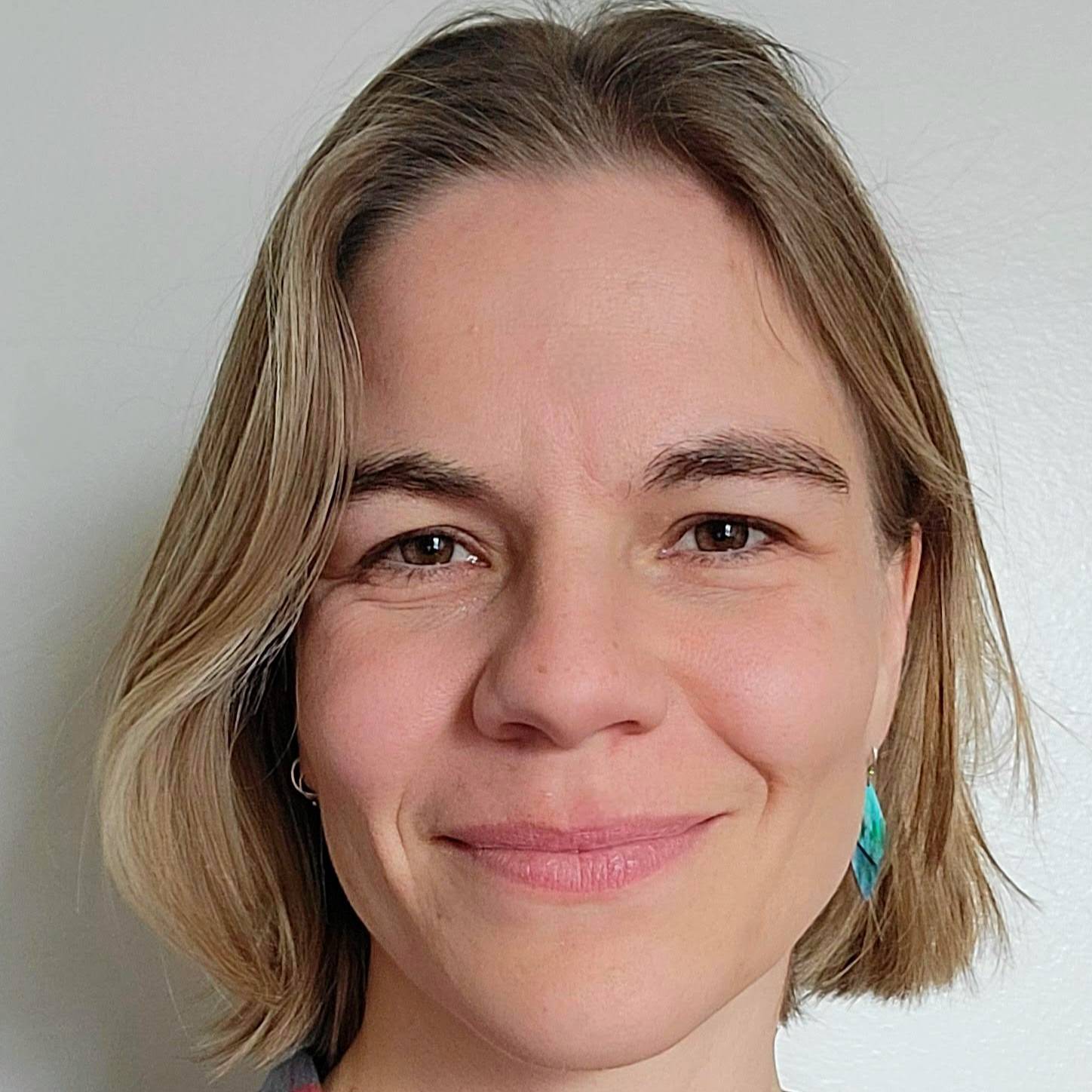
Kirsten Vinyeta
Assistant Professor
Utah State University
Kirsten Vinyeta is an assistant professor of sociology in the School of Social Sciences at Utah State University. She is an environmental sociologist specializing in qualitative research methods, including English and Spanish language interviews, content analysis, and photovoice. Her research examines the socio-political dimensions of land and fire management, federal- tribal relations, climate change vulnerability and resilience, and multispecies justice. As a former landscape architect turned environmental sociologist, she most deeply enjoys projects at the nexus of social justice and ecology.
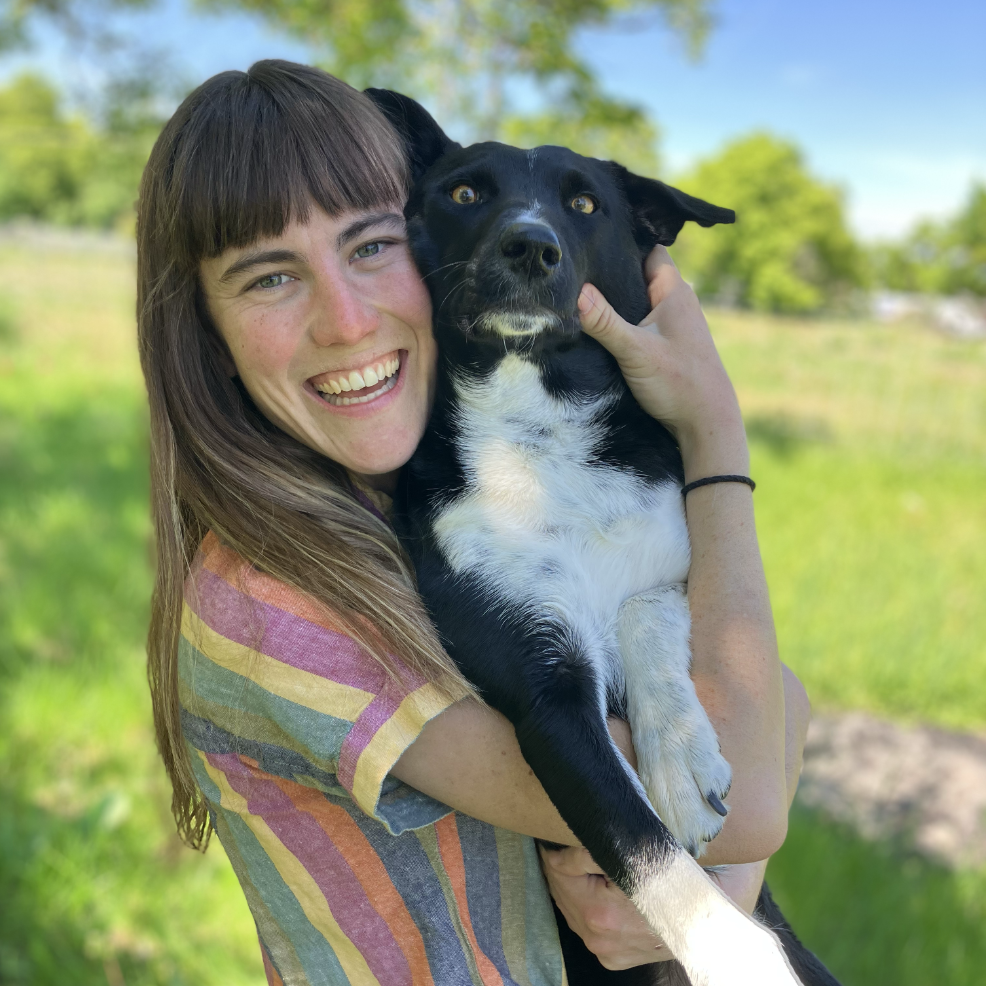
Bryn Watkins
PhD student
University of Georgia
Bryn Watkins (she/her) is a PhD student in the Department of Crop and Soil Science at the University of Georgia, where she is a member of the Social Sustainability of Agri-food Systems Lab led by Dr. Jenn Thompson. She has spent the past couple years studying the systems that challenge and inform farmer behavior on the Utah side of the Great Salt Lake Basin; now she’s hopped over the border to study similar questions on the Idaho side. She’s grateful for farmers, her dog Gin, and the little spinet she found for free a few months ago.

Lisa Welsh
Researcher and Adjunct Assistant Professor
Utah State University
Lisa Welsh is a Researcher and Adjunct Assistant Professor in the Department of Environment and Society at Utah State University. She received her Ph.D. from Utah State University in 2014 in Human Dimensions of Ecosystem Science and Management. Her research centers on water policy, exploring how water reallocation policies can be designed to work within existing water institutions to achieve efficient, equitable, and effective outcomes. Most recently, her research has focused on Great Salt Lake, land and water planning integration, and wetland management. She is currently working with the Utah Growing Water Smart program, which facilitates workshops that support community leaders and staff in collaborating to build a sustainable and resilient water future. She teaches courses on environmental policy and best practices in preparing and writing NEPA documents.
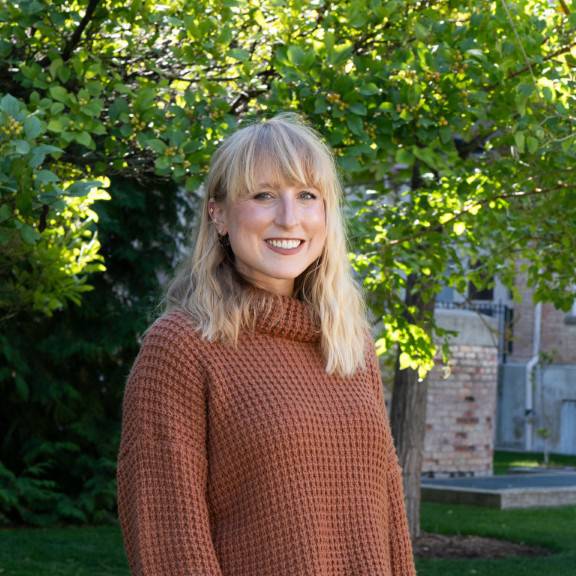
Sarah Woodbury
PhD student
Utah State University
Sarah Woodbury is a Sociology PhD student at Utah State University, researching multispecies justice and Church of Jesus Christ of Latter-day Saint (LDS, or Mormon) environmentalisms at Great Salt Lake. She received her M.S. in Environment and Society in 2024 at Utah State University. Her Master's thesis supported the Northwestern Band of the Shoshone Nation's work healing Wuda Ogwa, explored local agricultural relationships with ecologies, and examined Mormon multispecies justice at Great Salt Lake. Her doctoral research builds on this work, exploring Mormon ecologies and animism as well as multispecies justice at Great Salt Lake and in the region. She has a chapter on this work forthcoming in The Oxford Handbook of Multispecies Justice, as well as multiple other related publications. Working with Dr. Kirsten Vinyeta, Sarah also researches multispecies justice as it is practiced in Cache Valley. Sarah serves on two non-profit boards: 1) Bichu-Nanewe (Return of the People), which works for Tribal Sovereignty in the American West, and 2) Los Cedros (The Cedars) Fund, a group protecting an Ecuadorian cloud forest who helped birth the rights of nature movement.
Born and raised in Utah, Sarah also works for multispecies justice in the region and beyond as an Earth-based poet and writer, performance artist, and activist. She performs, organizes, speaks, and writes for local and far-flung ecologies alike, teaching at international gatherings and dancing as a shorebird with her local art activism collective, Apprentice. Her eco-poetry and film bring Great Salt Lake and other beloved ecologies to prestigious art residencies and national journals, including The American Journal of Poetry, Calyx, and Sugar House Review. Currently, Sarah is working as a writing resident and will be on academic leave while she spends much of 2026 living and writing in the mountain wilderness. She will return to her PhD work in 2027.

Claudia M. Wright
Assistant Professor
Central Washington University
Claudia Wright is an assistant professor in the Department of Sociology at Central Washington University. Her research interests span multiple areas and are shaped by both academic inquiry and experience in the private industry. As a qualitative researcher, she examines the social constructions that shape beliefs and practices. Her work has focused on motherhood and migration, with particular attention to how class and race influence transmigrant motherhoods. Her current research agenda is expanding to explore environmental discourses and their relationship to gender. Dr. Wright’s applied background informs her sociological approach, allowing her to uncover in‑depth insights into social behavior and develop applicable solutions to contemporary challenges.
Undergraduate Coordinators
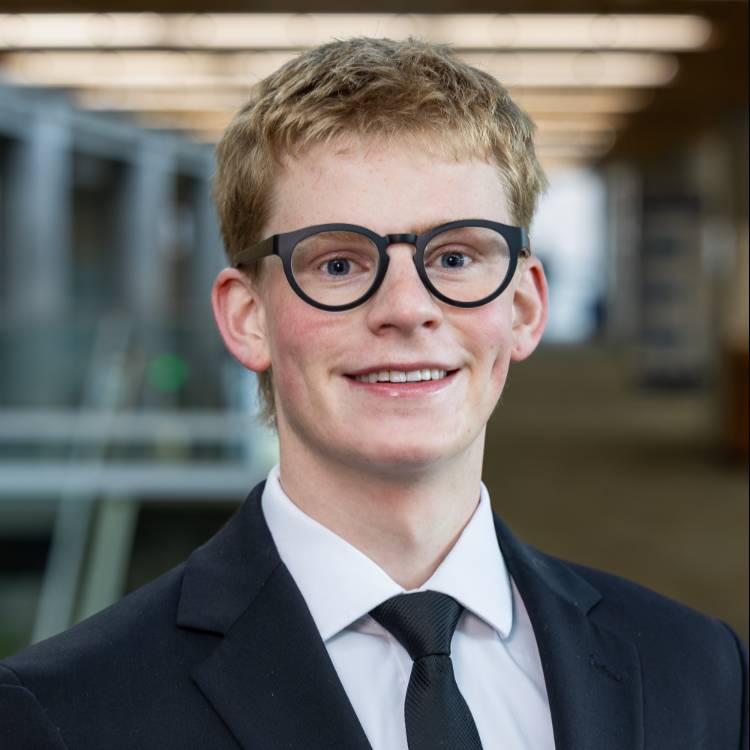
Creed Jones
Utah State University
Creed Jones is an undergraduate student at Utah State University studying political science and sociology. As the program coordinator for the GSL SSN, he assists with the group's organization, communication, and project management. Jones is deeply passionate about social sciences, currently working on projects regarding social drivers of the Great Salt Lakes desiccation and the inequality transgender folks face in the criminal justice system. Aside from research, Jones is a director for student events and an officer in his university's student government. After graduation, he plans to attend law school and later work as a business litigation attorney.

Avyrlie Smith
Utah State University
Avyrlie Smith is an undergraduate student at Utah State University studying Data Science and Finance. She works as a Research Network Assistant for the GSL SSN, with a focus on organization, communication, and external marketing. Avyrlie is also a tutor in mathematics and a research assistant for a project on effective mathematics instruction in secondary education. Outside of work, she loves playing violin, weightlifting, and sudoku.