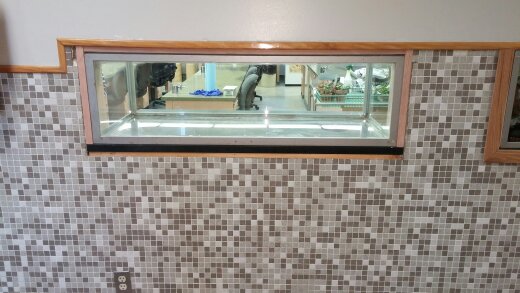
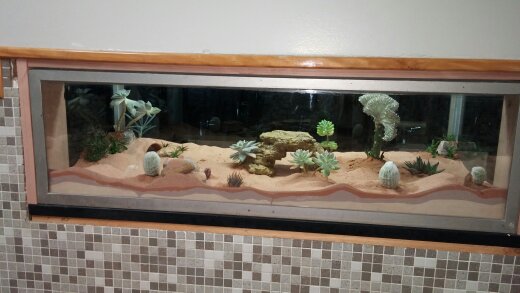
Desert Terrarium

Located across the hall from the Biology Main Offices

Creatures in the Desert Terrarium

Common Name: Side-blotched lizard

Scientific Name: Uta Sp.
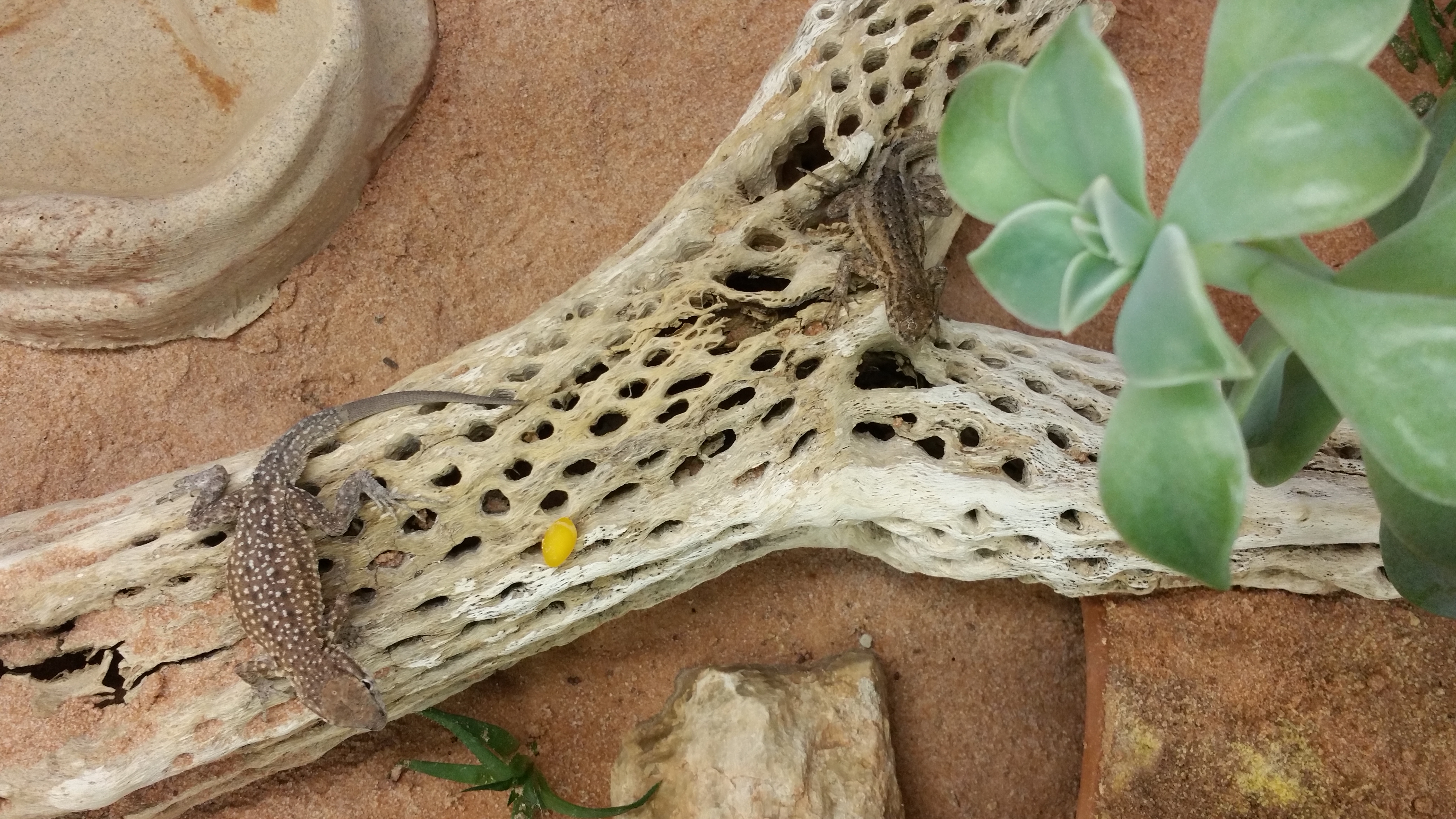
Two side-blotched lizards.


List of plants found in the desert terrarium
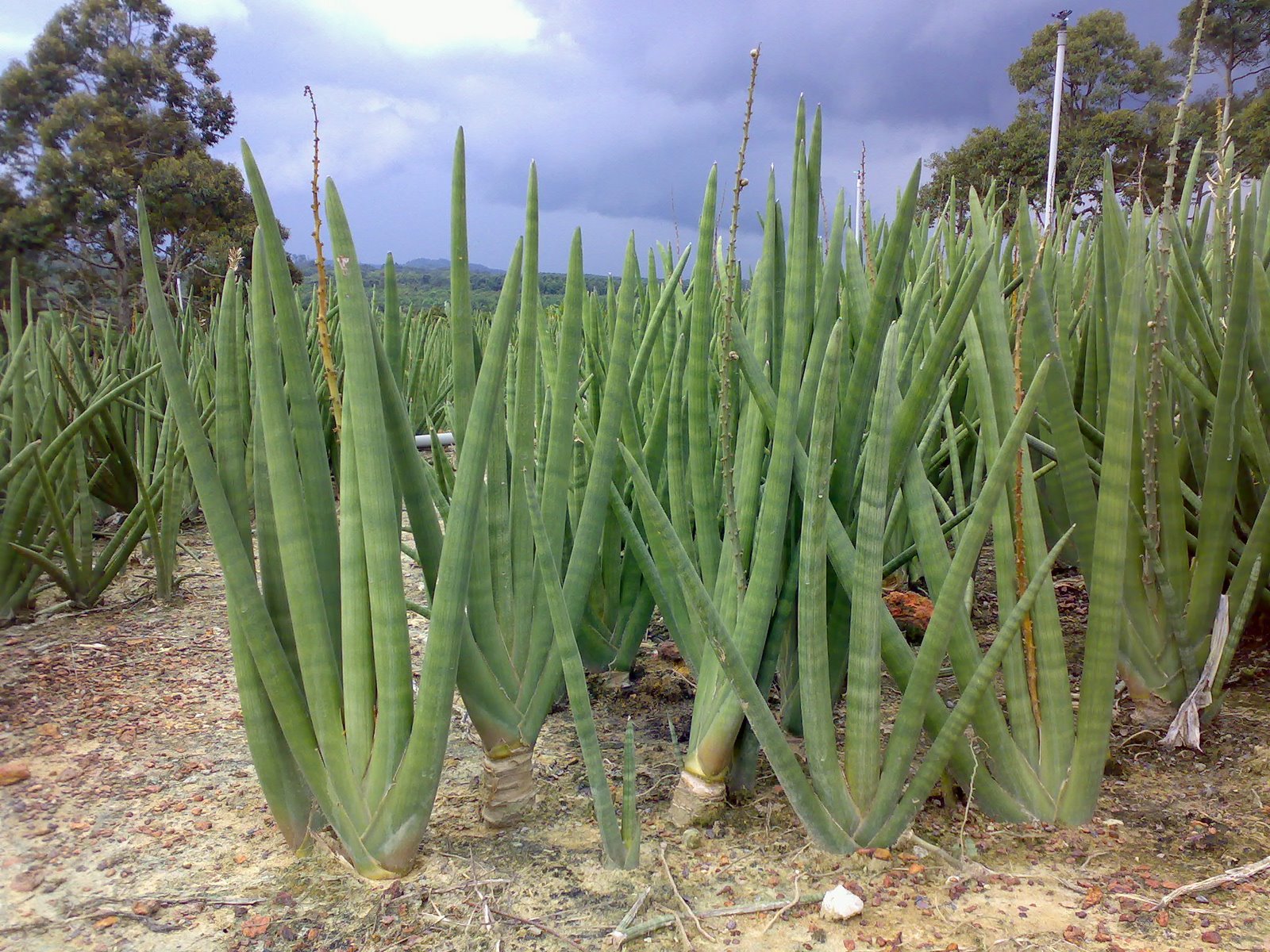
Sansevieria cylindrica (Spear Sansevieria)
Sansevieria cylindrica
Native to Angola- The leaves can be braided or left as you see them in their natural fan shape.

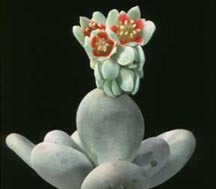
Pachyphytum oviferum (Moonstones)
Pachyphytum oviferum
Native to Mexico- Also known as the “Sugar Almond Plant” due to the size, and color of the leaves.

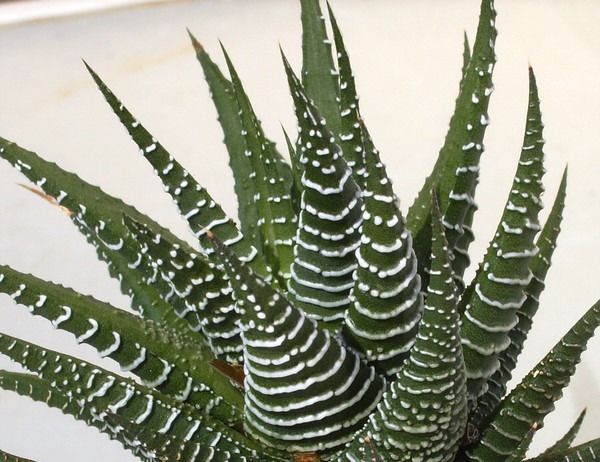
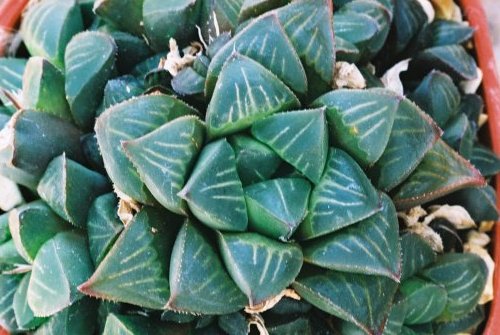
Haworthia fasciata (Zebra Haworthia)
Haworthia fasciata
Native to South Africa- This plant favors more acidic sand. 

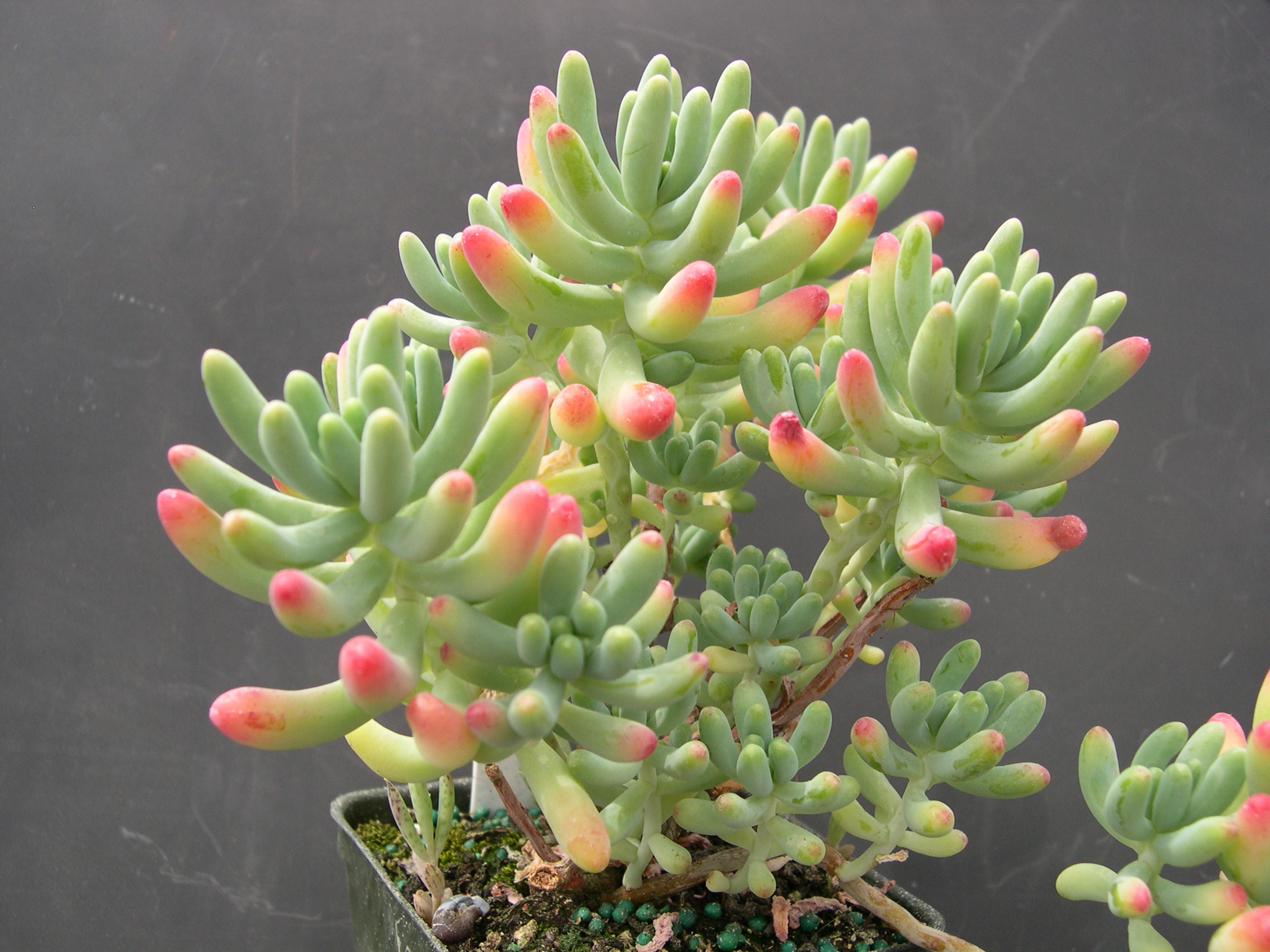
Sedum pachyphyllum (Jelly Beans)
Sedum pachyphyllum
Native to Mexico- Like many succulents the leaves are filled with water giving it the “Jelly Bean” appearance.

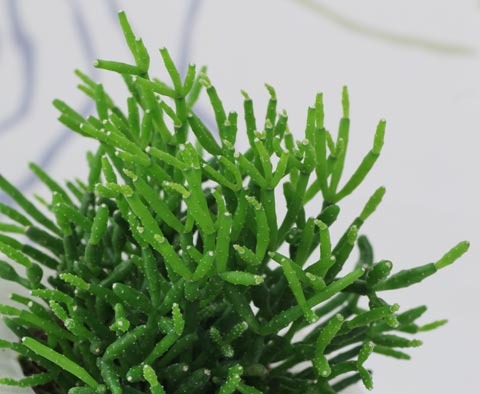
Rhipsalis cereuscula (Coral Cactus)
Rhipsalis cereuscula
Native to South America- Gets its name from the appearance of coral.

Haworthia mirabilis
Haworthia mirabilis
Native to South Africa- Grows in rocky areas in altitudes of 500 meters. 

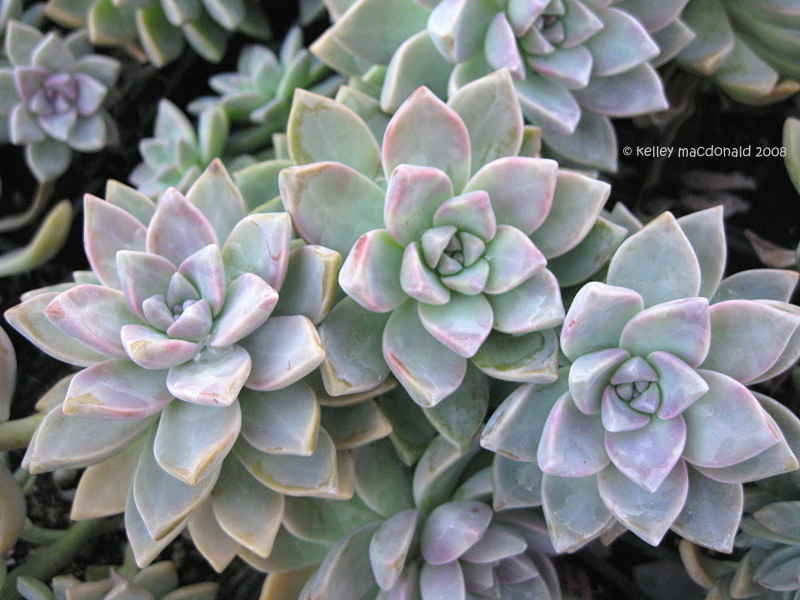
Graptopetalum paraguayense (Ghost Plant)
Graptopetalum paraguayense
Native to Mexico- In the same family as the Jade Plant.

Esposta lanta (Old Lady Cactus)
Esposta lanta
Native to South America- The cotton like substance is used as a sort of sunblock for the plant.

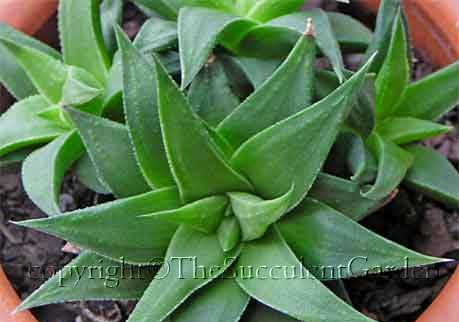
Haworthia angustifolia
Native to Africa- In the same family as the Zebra Haworthia. One can tell the difference by the lack of smoothness on the inside edge of the angustifolia leaves. 

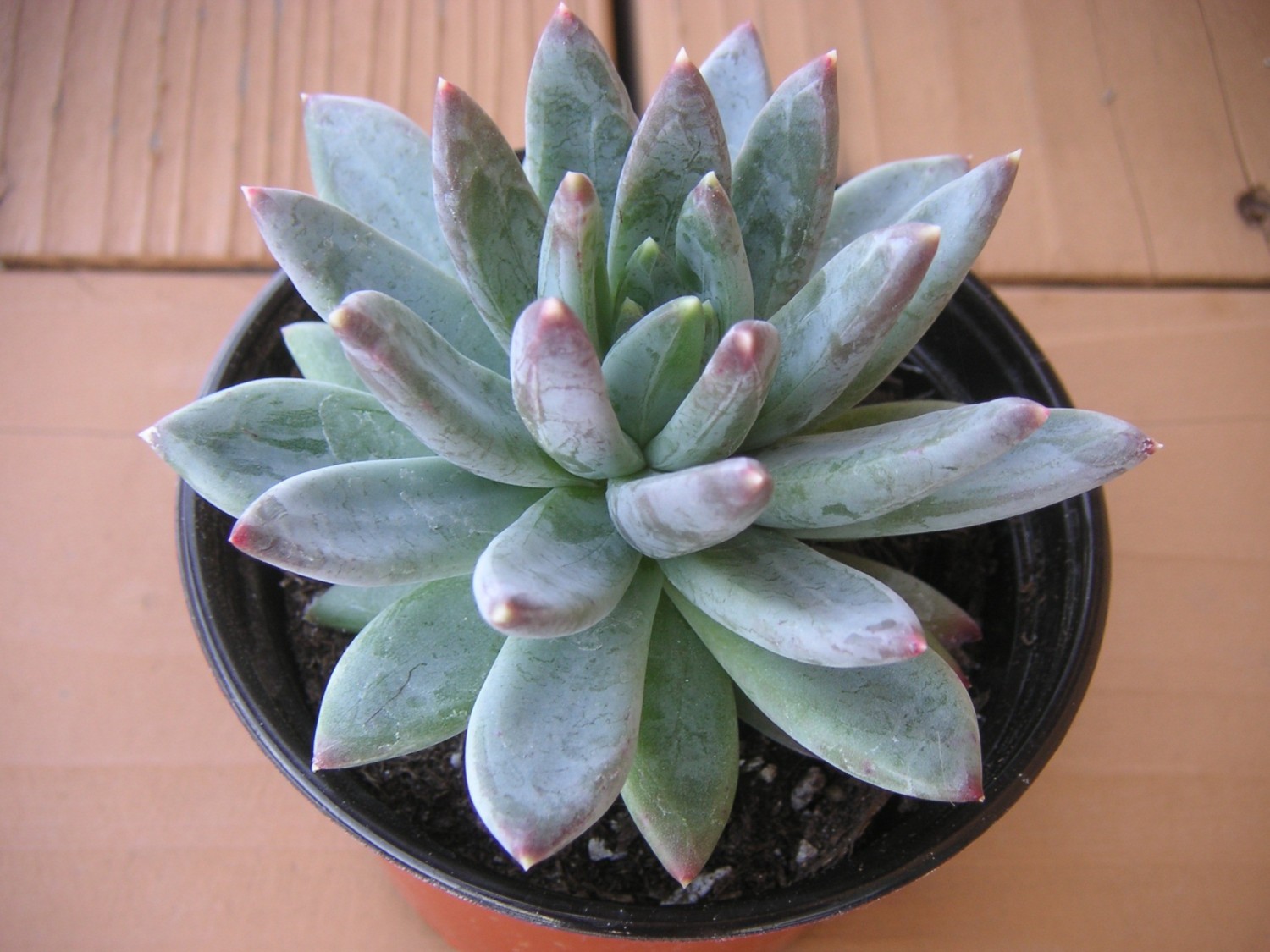
Pachyveria haagei
Pachyveria haagei
Native to Cultivation- Beautiful, silver, aqua-blue slender leaves with rainbow pink pointed tip.


Terrarium Construction

An empty glass terrarium.

Empty terrarium ready for some desert plants!
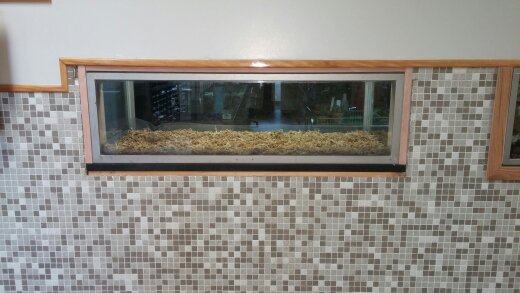
Glass terrarium with zoo med hydroballs layering the bottom.

ZOO MED™ HYDROBALLS™ were used as a false bottom. Next a screen was placed to keep the substrate from not mixing with the HYDROBALLS™. The layer you can see is sphagnum moss. The sphagnum moss is used to keep the sand from falling down to the bottom.
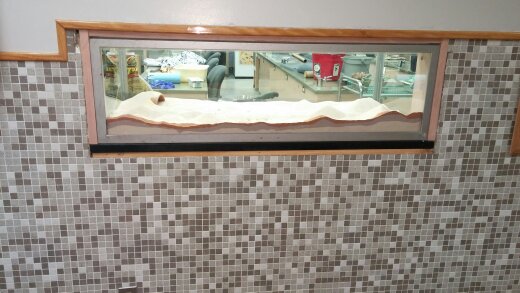
 

Glass terrarium with vita-sand layered on the bottom.

Various colors of ZOO MED™ Vita-Sand® sand were mixed to give a more natural Utah sand color. Broken clay pots are used to give the terrarium some topography. 
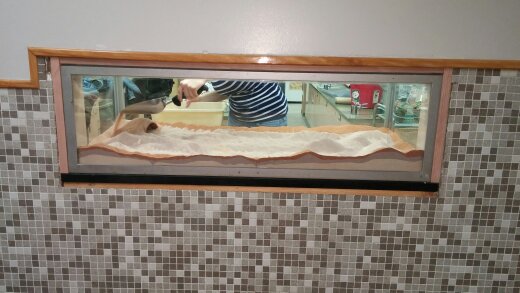
Glass terrarium with added layers of sand.

Sand was added in layers to give a sand picture.
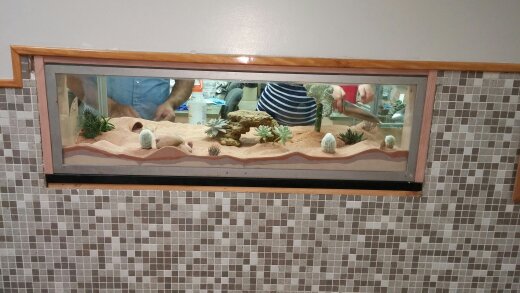
Glass terrarium with newly added plants.

Finally the plants are added, along with a rock feature.
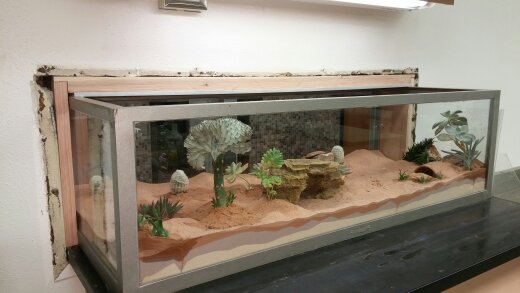
Side view of desert terrarium.

View from the lab site.

Desert Terrarium

Finished product!